Enclothed Cognition: Dress the Part, Think the Part
Why what you wear can change how you think, and how to harness that tool.
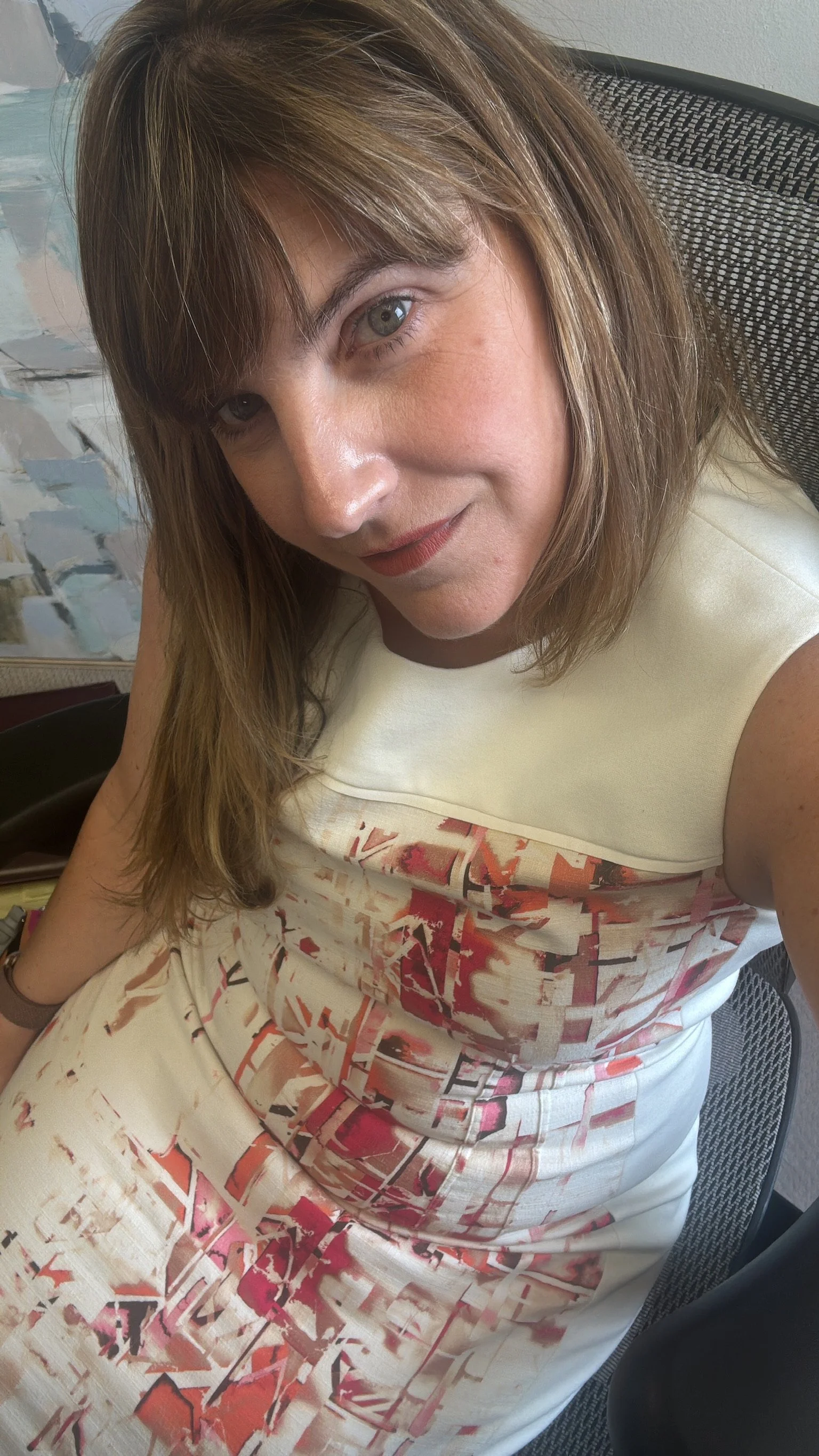
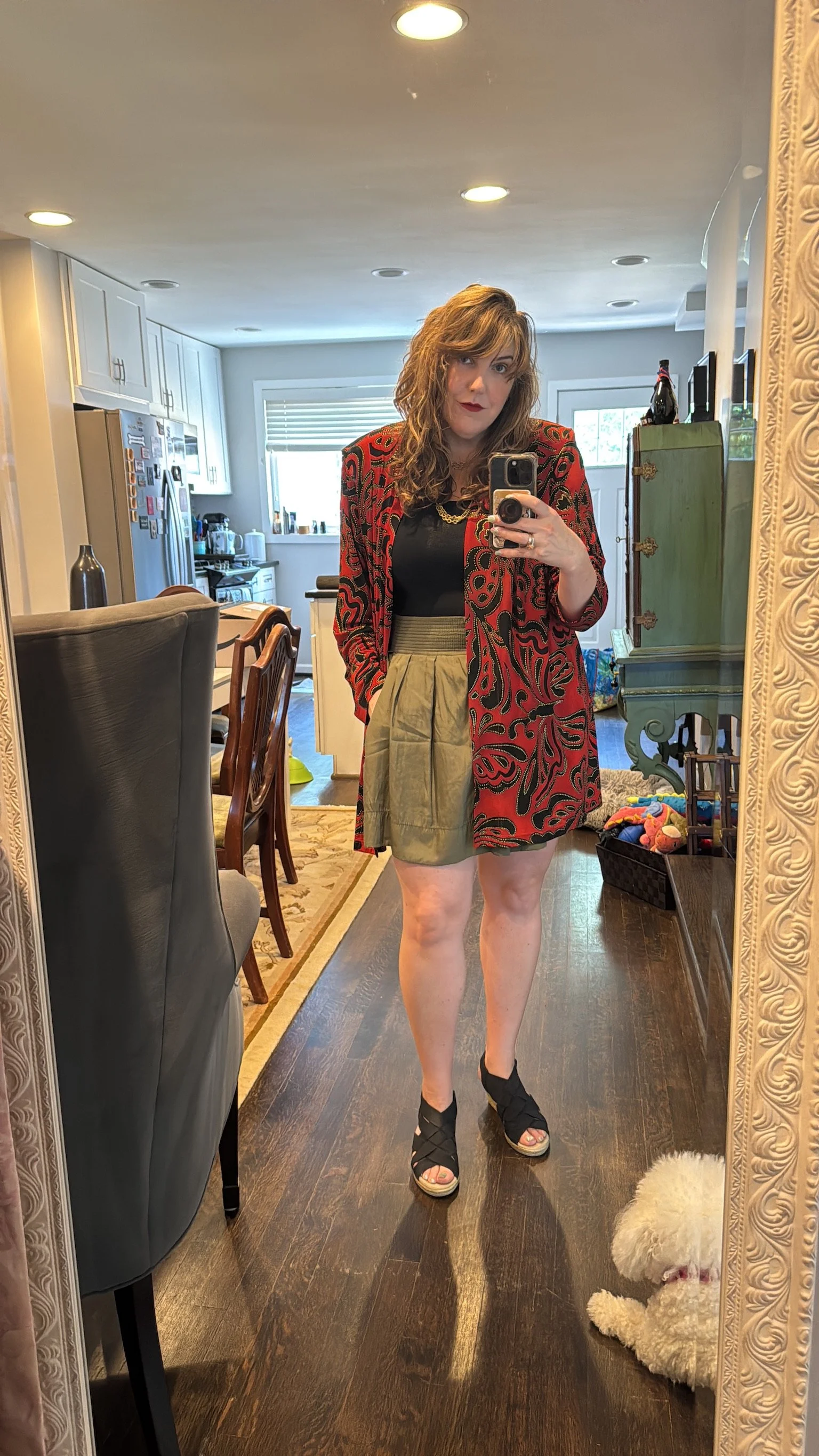
I hear it almost daily, in one form or another, that my outfit is so cool. Whatever room I've just walked into — a courthouse hallway, a Chamber breakfast, a table at brunch, I hear it. And I love it! I grew up with a Mother that always said that dressing the part was half the battle and her sense of style, is quite amazing.
But if you know me, you know I'm not really dressing to be looked at. I'm dressing to be someone. The blazer I put on for a custody hearing and the dress I put on for a Thursday Chamber happy hour are not doing the same job, and they are not supposed to. Some mornings I need armor. Some mornings I need ease. Some mornings I need high fashion. I choose accordingly, and —it works. Not because anyone else notices. Because I do.
It turns out there's a name for this, and it comes out of a research lab at Northwestern, not a fashion magazine.
The Lab Coat That Started It All
In 2012, Northwestern researchers Hajo Adam and Adam Galinsky published a study in the Journal of Experimental Social Psychology that coined the term “enclothed cognition” — the idea that clothing doesn't just change how other people see you, it changes how your own brain processes information.
Their experiment was simple, fifty-eight undergraduates were randomly split into two groups: half put on a plain white lab coat, half stayed in their own clothes. Everyone then ran a Stroop test, the classic “name the ink color, ignore the word” exercise that's notoriously hard to do quickly and accurately. The lab coat group made about half as many errors as the street-clothes group on the hardest trials. Same brains, same task, same room. The only variable was what was on their bodies.

It's Not Costume — You Have to Wear It
But here's where it gets interesting, and where most “dress for success” advice doesn’t hit. Adam and Galinsky didn't stop at the lab coat. In follow-up experiments, they told one group the coat belonged to a doctor and told another group the identical coat belonged to a painter — and only the “doctor's coat” group showed the cognitive boost, even though the garment itself was unchanged. Then they tried something sneakier still: a third group simply sat next to a doctor's coat, or wrote about what it meant to them, without ever putting it on. No effect.
The finding, in their words, is that enclothed cognition requires two things at once: the symbolic meaning we've attached to a garment, and the physical experience of actually wearing it.
Thinking about your outfit isn’t enough, you have to put your arms through the sleeves and feel it.
A few years later, researchers Michael Slepian, Simon Ferber, Joshua Gold, and Abraham Rutchick pushed the idea further in a 2015 study in Social Psychological and Personality Science, and found that formal clothing specifically shifts how abstractly people think. Participants who came to the lab dressed for a job interview were more likely to describe an ordinary action like “voting” in big-picture terms (“influencing an election”) rather than mechanical ones (“marking a ballot”), and performed better on a visual task that rewards seeing the forest over the trees. Dress clothes didn't just make people feel more important. They changed the altitude at which people's brains were operating.

From the Courtroom to the Event
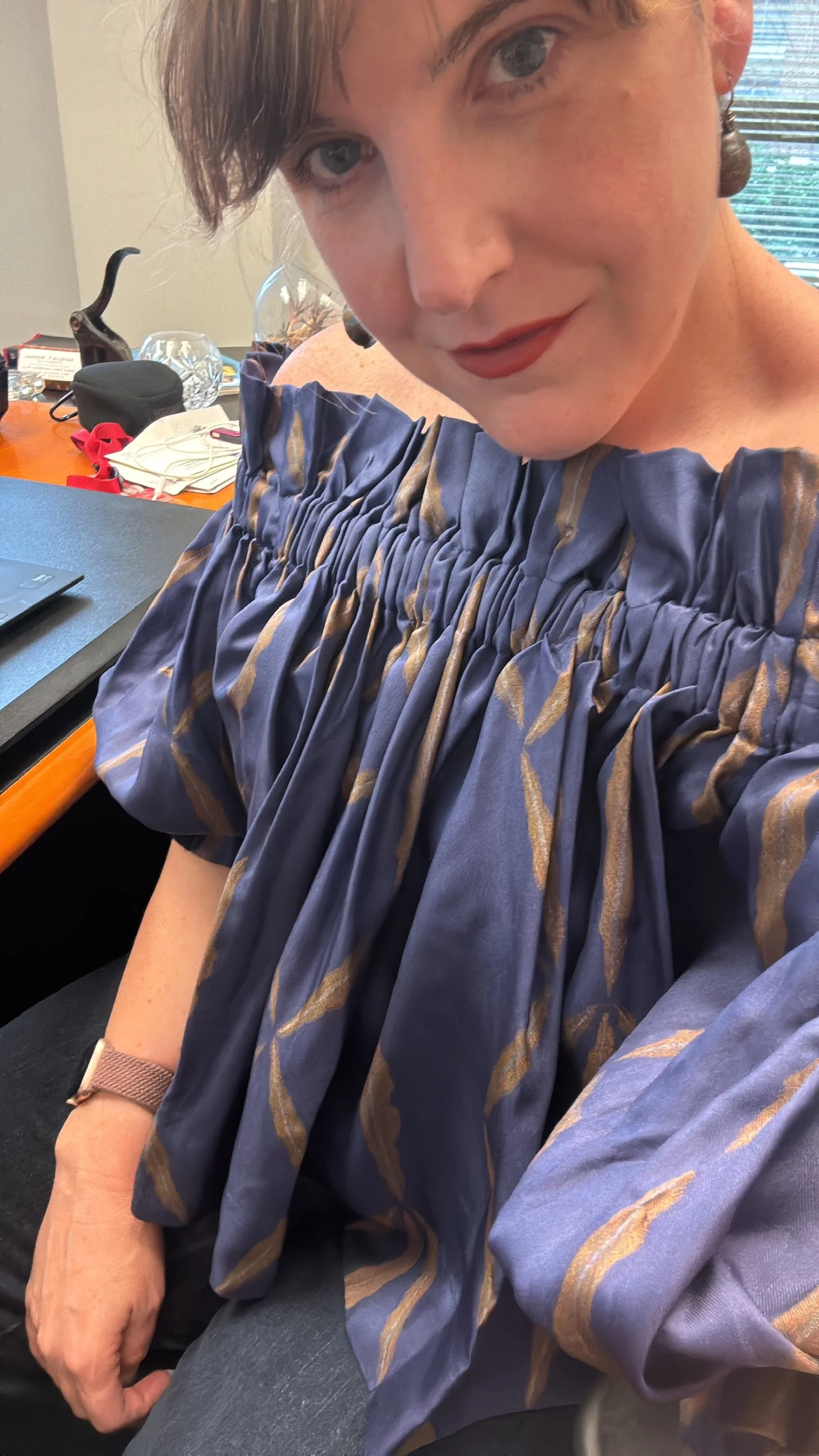
I didn't need a study to feel this, but it's satisfying to have one. I don’t go out in clothes I don’t want to be seen in, except to and from the gym in gym clothes, or maybe an emergency Charlie walk, and it isn't performance — it's regulation. The right outfit gets me out of my own head and into the version of myself who can sit across from opposing counsel and not blink, or show up at that social event and talk to absolutely anyone. A classy but sexy dress for a Friday night at the bar does the opposite job on purpose: it tells my nervous system the workday is over before I've said a word to anyone. Both outfits are “the real me.” They're me dressed for the job that particular hour requires.
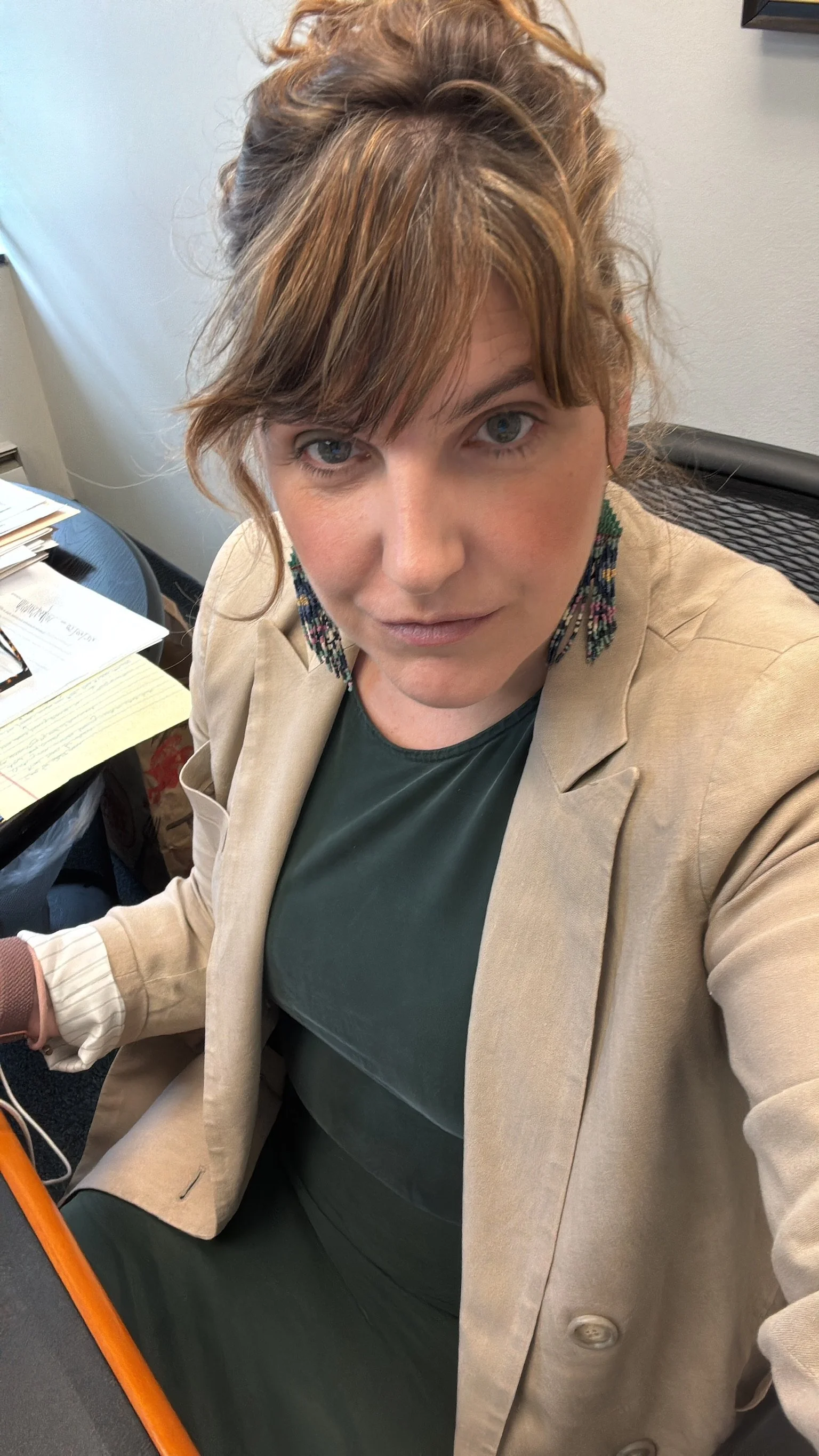
This is, I'd argue, the most underrated tool available when I’m asked to be five different people: attorney, board president, colleague, business owner or girlfriend. And yes, so many of my outfits function as all of these moments, but maybe, I throw on the blazer over the dress, so I can put on the intention.

How to Dress Like You Mean It
If you want to borrow the science and not just the vibe, here's how I actually use it:
• Name the job before you open the closet. “Confident and unbothered” and “warm and approachable” call for different clothes — deciding the feeling first makes the choice faster, not slower.
• Keep one true “lab coat” in rotation: a single piece so specifically associated with your own competence that putting it on does something to your posture before you've said a word. Mine are Ferragamo heels that have sat through many hard conversations.
• Don't just think about the outfit — put it on early. The physical part of enclothed cognition isn't optional. If you're dreading something, get dressed for it before you think you need to.
• Let your clothes close out the day, too. Changing out of “work mode” clothing is doing real cognitive work, not just chasing comfort.
I dress for myself first, always. But it turns out “for myself” is doing more than I ever gave it credit for. Every outfit is a small, deliberate instruction to my own brain about who I'm about to be. And the compliments? Oooooh, I also love the compliments! Who doesn’t?