Ins & Outs: 2026 Home Design Trends
As we look ahead to 2026, home design is shifting toward warmth, intention, and spaces that truly support how we live. The era of overly stark interiors is giving way to homes that feel layered, personal, and enduring. Here’s what’s defining the next chapter of residential design, and what we’re happily leaving behind.
IN: What’s Defining 2026
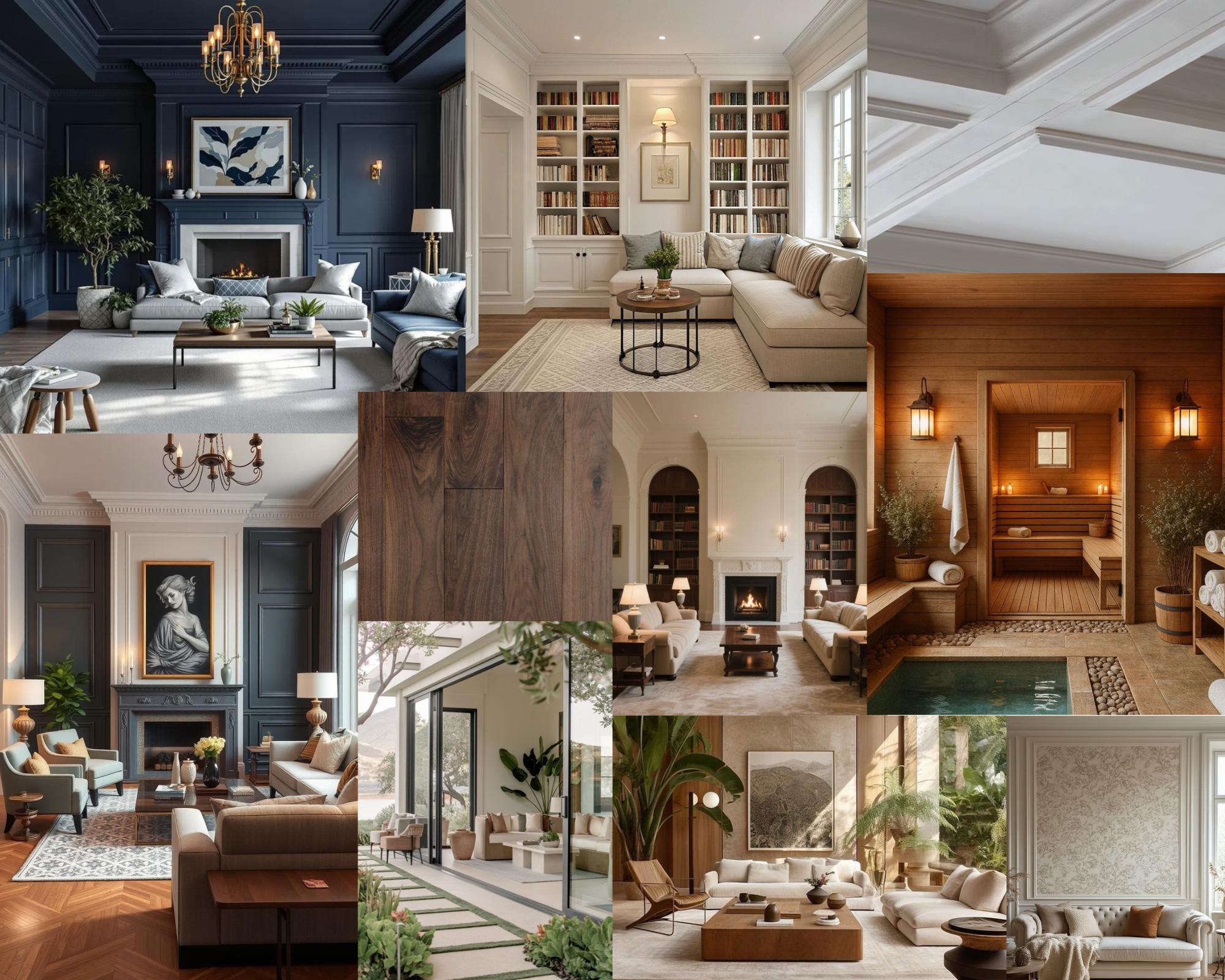
Transitional Style (Traditional, Made Casual): A refined blend of classic architecture and relaxed finishes, transitional design continues to dominate. Think timeless silhouettes softened by approachable textures, lived-in materials, and thoughtful details that feel elegant yet effortless.
Rich, Deep Warm Tones: Color is back, and it’s warmer than ever. Deep browns, moody greens, rich blues, and soft oxblood tones create rooms that feel grounded, cozy, and sophisticated.
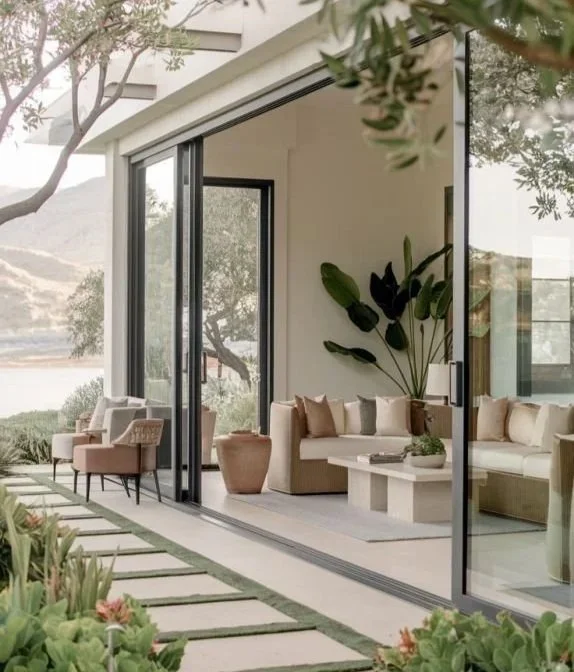
Biophilic Design: Homes are embracing a stronger connection to nature through natural materials, organic shapes, indoor greenery, and expansive windows. The goal is simple: spaces that feel calming, restorative, and alive.
Home Wellness Rooms: From yoga and meditation spaces to saunas and spa-inspired bathrooms, wellness is becoming a design priority rather than a luxury add-on.
Seamless Tech Integration: Technology is still essential, but it’s no longer on display. Smart lighting, climate control, and security systems are being thoughtfully integrated so they enhance daily life without disrupting the aesthetic.
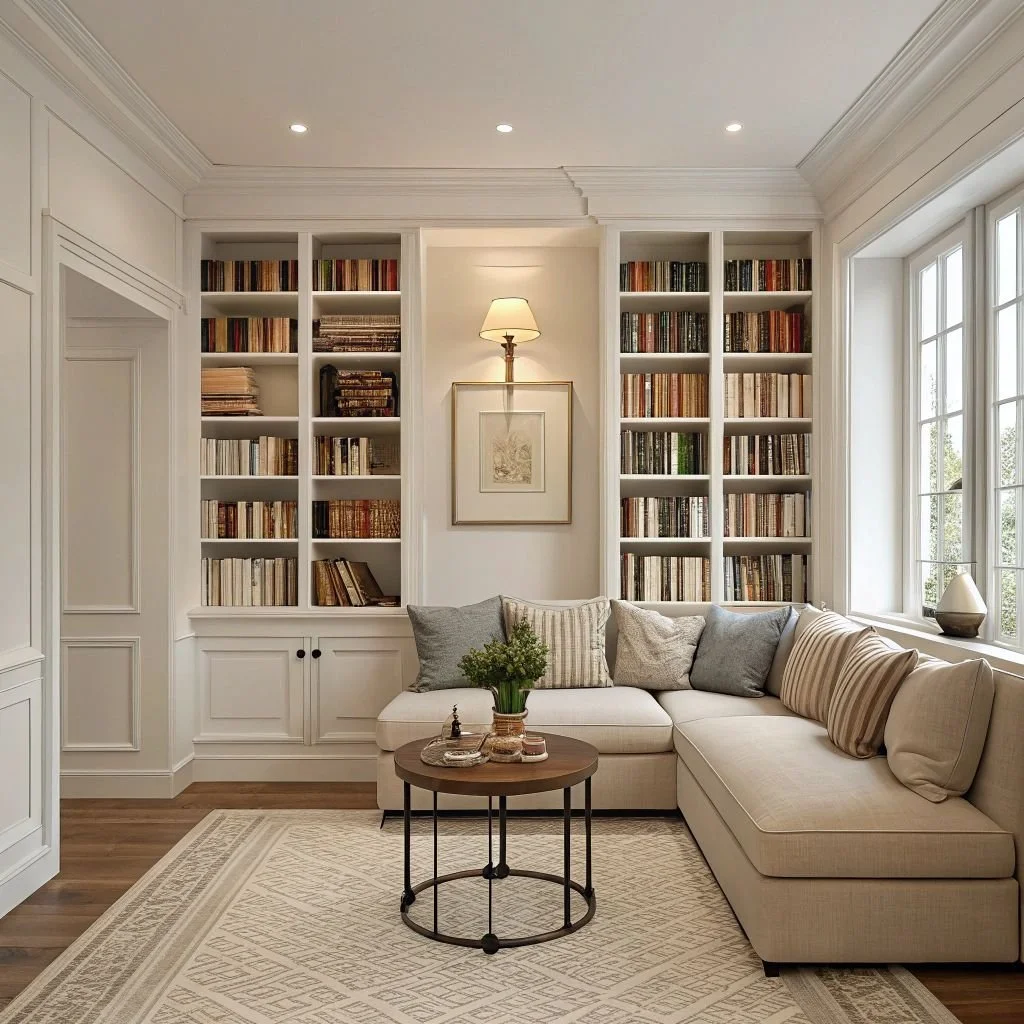
Reading Nooks: Small, intentional spaces are having a moment. Reading nooks add charm and function, offering a quiet retreat without the need for an entire extra room.
Warm and Dark Woods: Walnut, white oak in richer finishes, and deeper stains are replacing pale woods. These tones add depth and pair beautifully with both traditional and contemporary interiors.
Wallpaper: Pattern, texture, and murals are back in a big way. Wallpaper is being used to add character in dining rooms, powder baths, and bedrooms, creating moments that feel custom and collected.
Color Drenching: Painting walls, trim, and even ceilings in the same hue creates a cohesive, immersive look that feels bold yet refined.
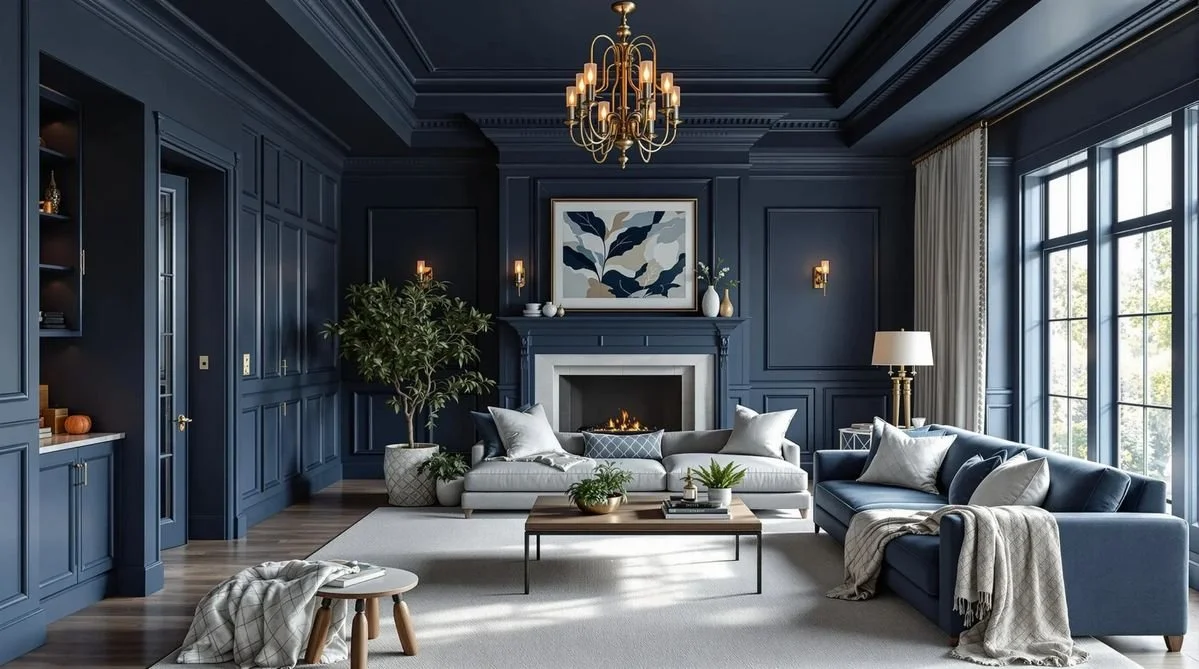
Coffered Ceilings and Crown Molding: Architectural detailing is reclaiming its place. These elements add dimension, craftsmanship, and a sense of permanence that instantly elevate a home.
Wood Range Hoods: A statement wood hood brings warmth and visual interest to the kitchen, acting as both a focal point and a design anchor.
OUT: What We’re Leaving Behind
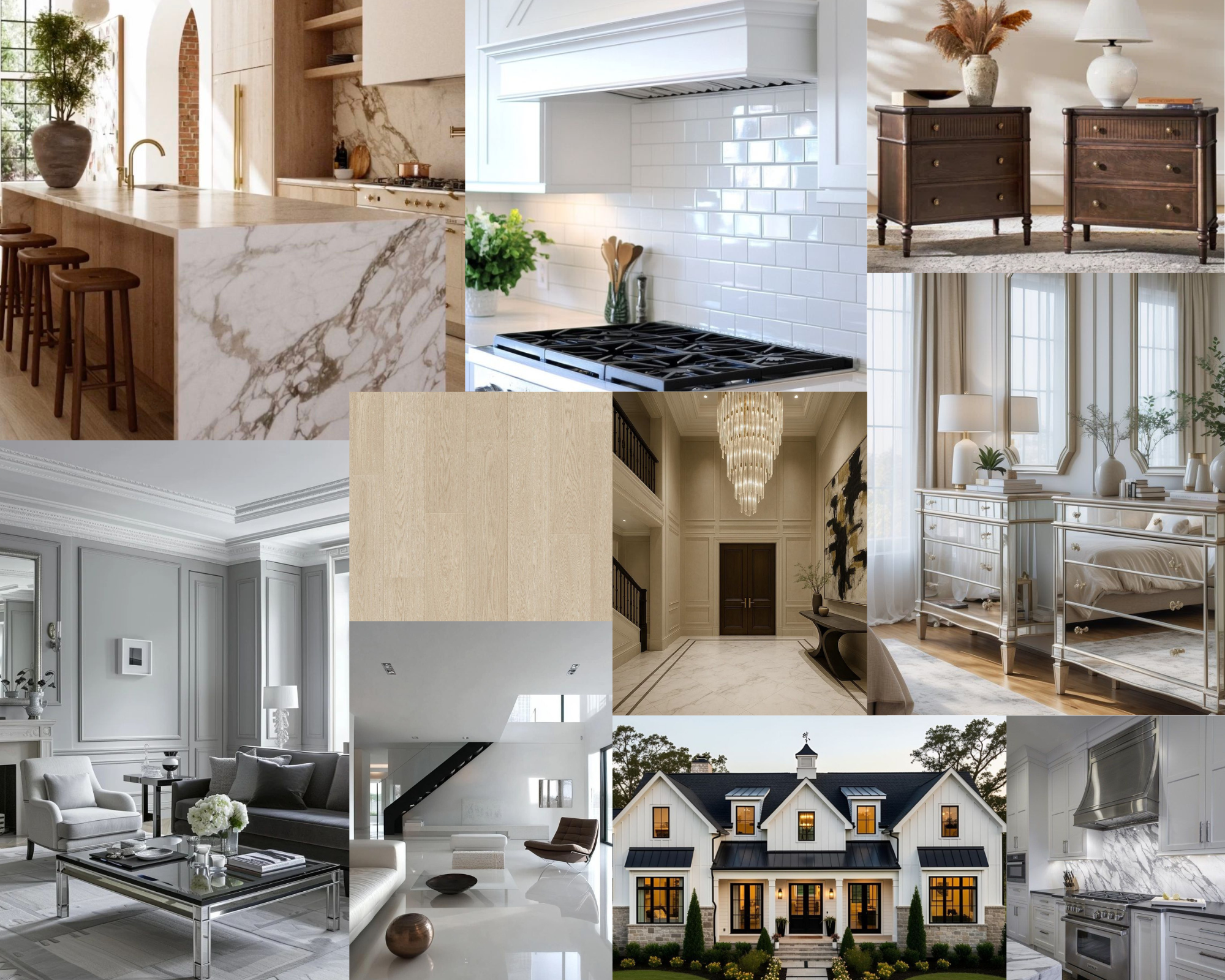
Modern Farmhouse: Once everywhere, this trend has become overly familiar. Buyers are gravitating toward more tailored, regionally inspired design.
Cool Grays and Harsh Whites: Sterile palettes are giving way to softer, warmer neutrals that feel more inviting and timeless.
Waterfall Islands: Once a luxury signal, these are now seen as impractical and trend-driven rather than enduring.
White Subway Tile: A classic that’s become overused. In 2026, designers are moving away from standard subway tile in favor of zellige, natural stone, and more artisanal options. We’re also seeing a strong shift toward seamless backsplashes, where the backsplash and countertop are crafted from the same material, creating a cohesive, elevated look that feels both modern and timeless.
Wasted Space (Like Oversized Foyers): Every square foot matters. Homes are prioritizing usable, functional layouts over grand but empty spaces.
Mirrored Furniture: Flashy finishes are being replaced with materials that feel authentic and tactile.
Light Woods: Ultra-blonde woods are fading as richer, warmer finishes take their place.
Stark Minimalism: While clean design remains appealing, homes now favor warmth, layers, and personality over extreme restraint.
Low Baseboards: Taller baseboards and trim add architectural presence and polish.
Stainless Steel Range Hoods: These are giving way to plaster, wood, or custom-finished alternatives that feel more integrated.
Matching Furniture Sets: Perfectly coordinated rooms feel less personal. Curated, collected spaces are the new standard.