
The Teacher We All Remember
Almost everyone can name one.
Not necessarily the teacher with the strictest rules or the most impressive résumé, but the one who made learning come alive. The one who saw something in us before we could see it ourselves.
For me, while I’ve been blessed with many great teachers in my life, what comes to mind is a Sunday School teacher when I was in 2nd grade: Mr. Joe. Mr. Joe was actually my dad’s Commanding Officer on base– but we all got to call him Mr. Joe. He would walk us through the sermon’s text each week and taught us how to run “sword drills” to see who could look up their Bible verses the most quickly (a great game of both glory and defeat), and made every lesson feel big and important. But what I really loved about Mr. Joe was that I knew he was interested in us. He asked us what we thought about passages and even at 2nd grade, we all knew he truly listened to us. He asked us how our practices and games were going and would often stay late to shake the hands of our parents and tell us something we did or said in class that he thought was great. His wife would often join in his lessons and would bring baked goods for us. All of the children felt treasured by Mr. Joe. I certainly felt treasured by Mr. Joe.
Do I remember any of those specific Bible lessons? Not really. But I surely have thought of Mr. Joe from time to time and am glad that some of my early memories of learning about God and our faith were shaped by a teacher who loved me just the way I was, disasters and all. To be drawn in, cherished, and captivated into new worlds of knowledge and skills. That is the quiet power of a great teacher. Long after the details fade, the impact remains.
Imago Dei
At Alexandria Classical Christian Academy, the belief that children are shaped as much by who teaches them as by what they are taught is foundational. The teacher IS the curriculum.
We believe every child is created in the image of God, imago Dei. This belief is not abstract theology. It informs the way our classrooms function each day. It means children are not projects to manage or data points to track, but whole persons to be known, loved, and formed. It sees the child as a future steward of creation, and a unique and precious reflection of our Creator.
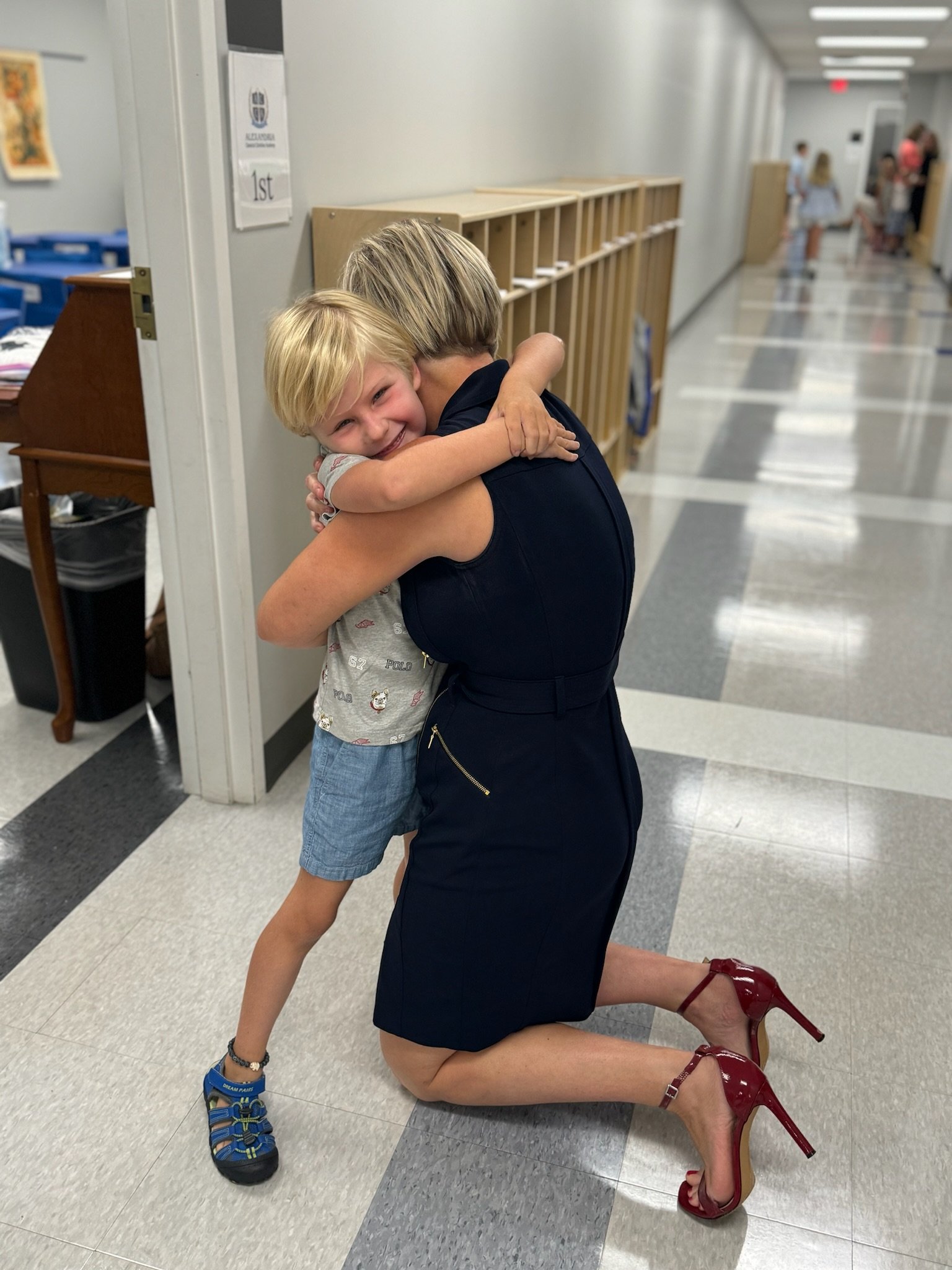
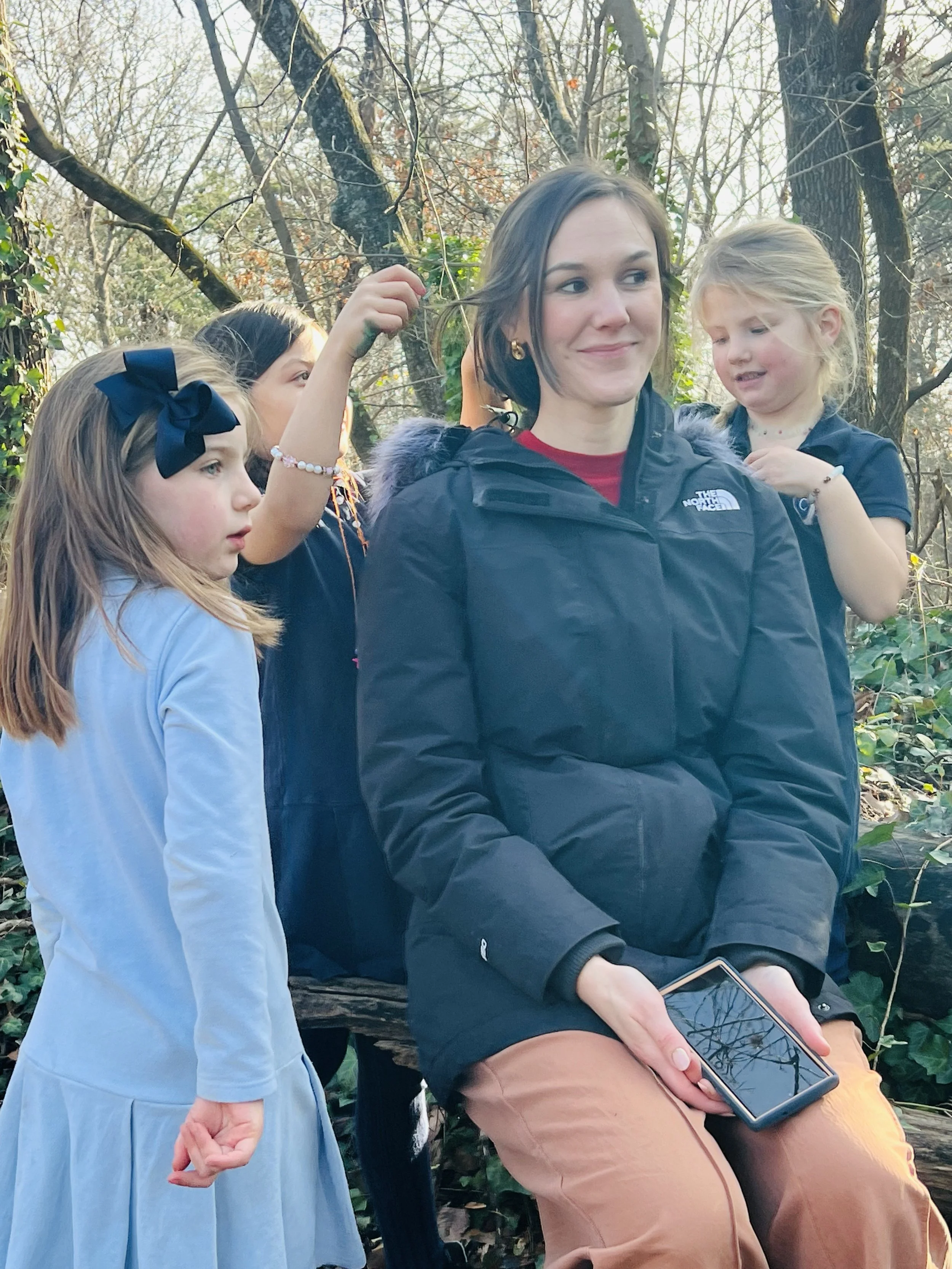
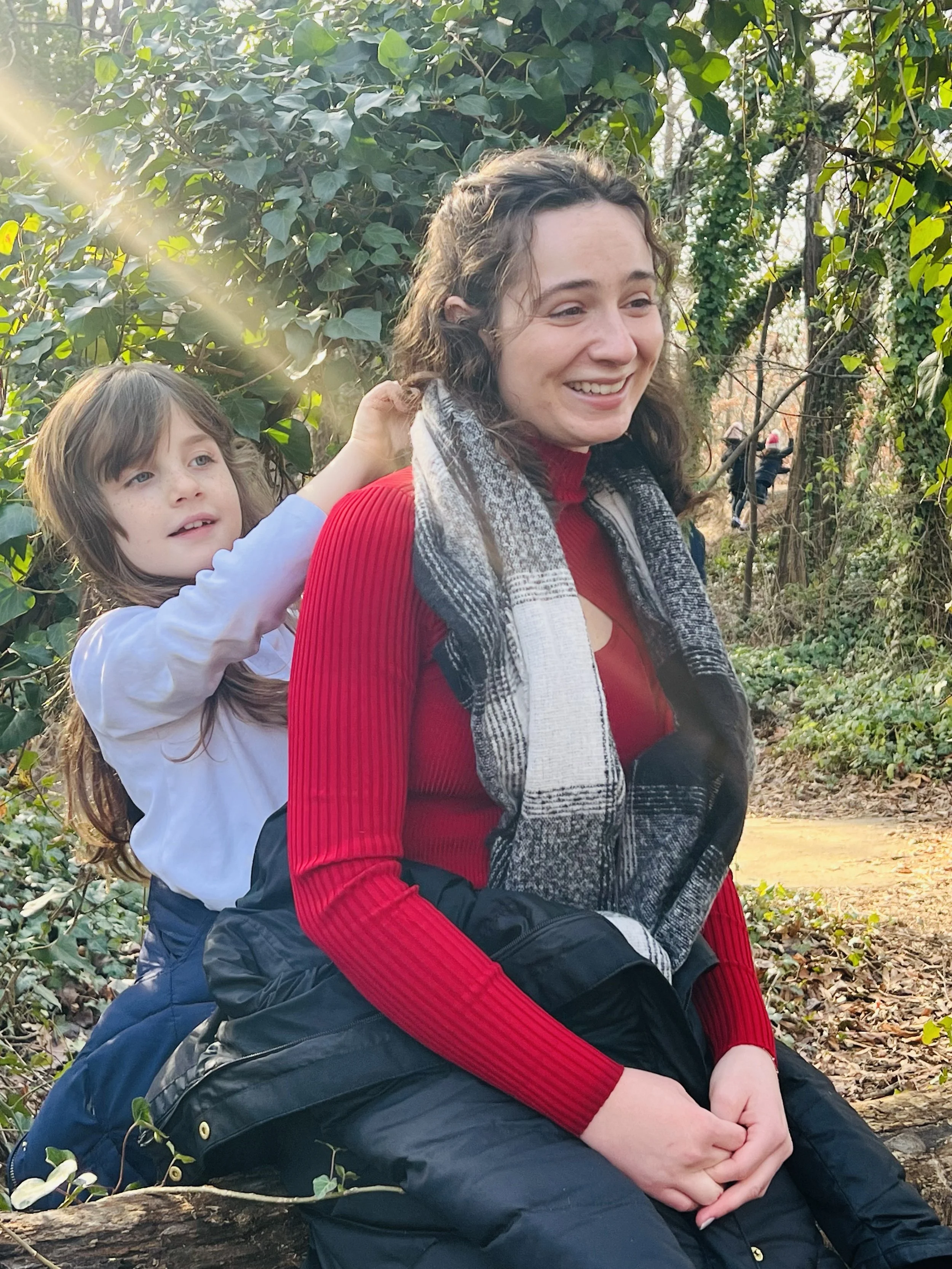
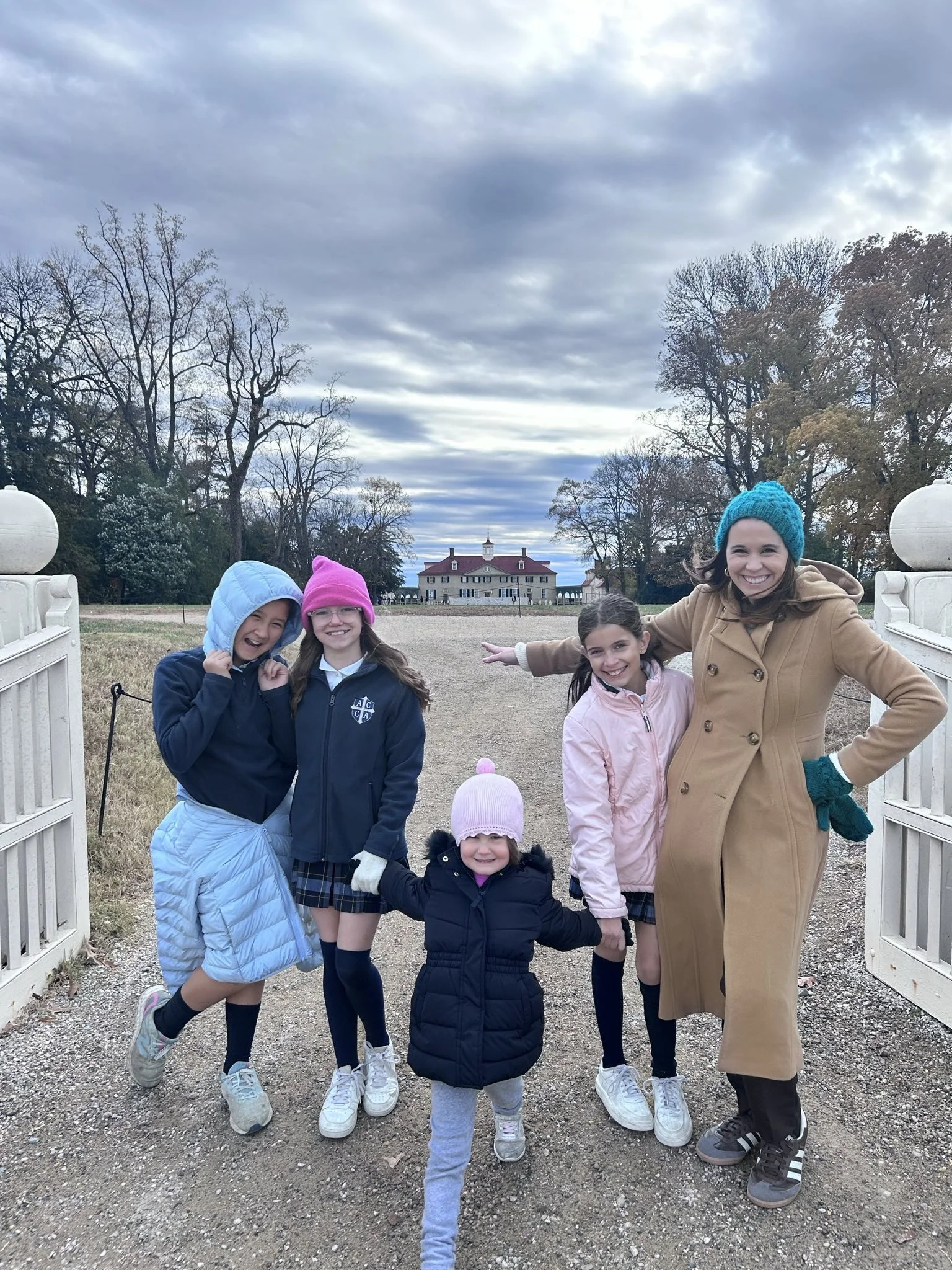
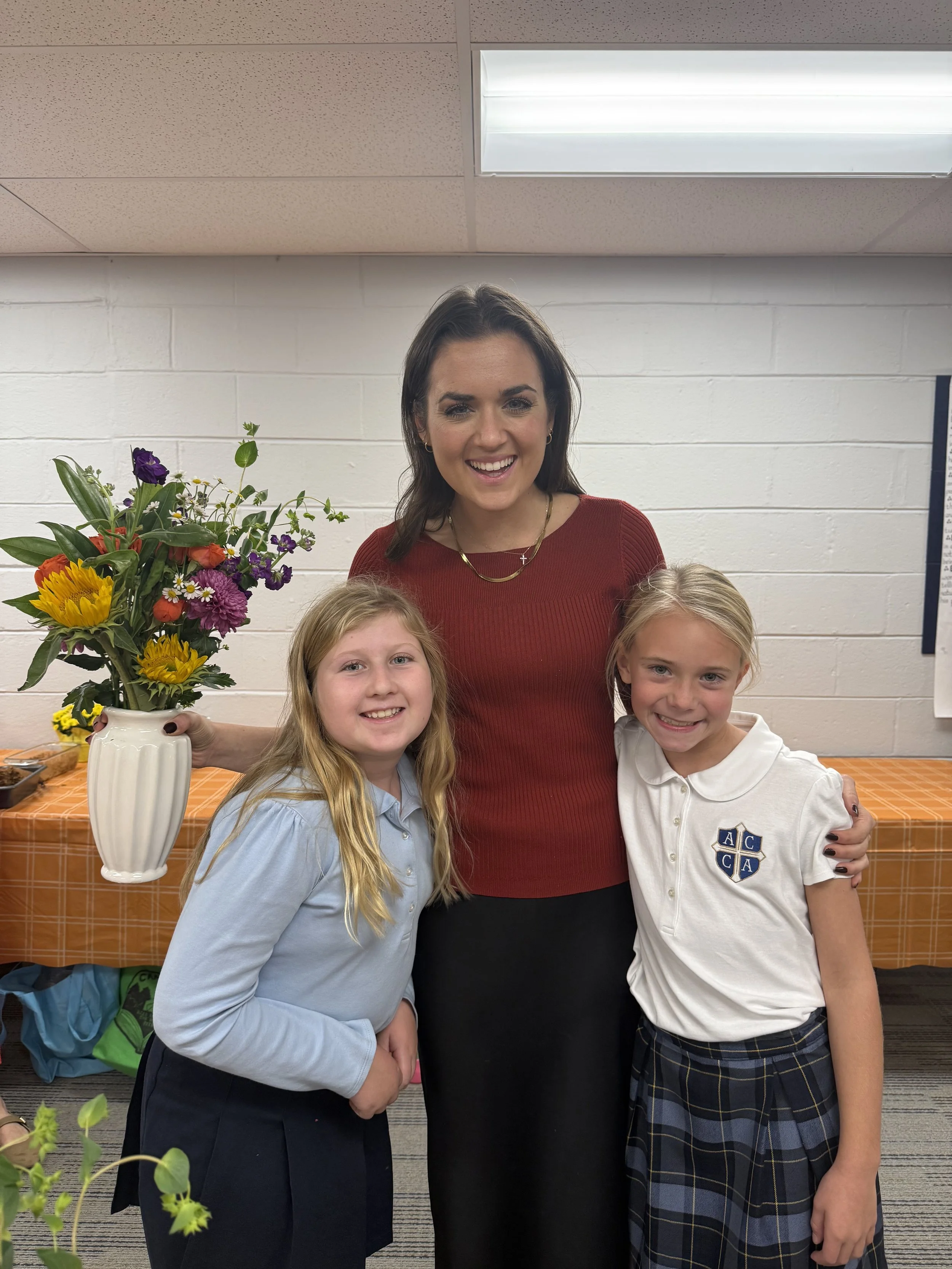
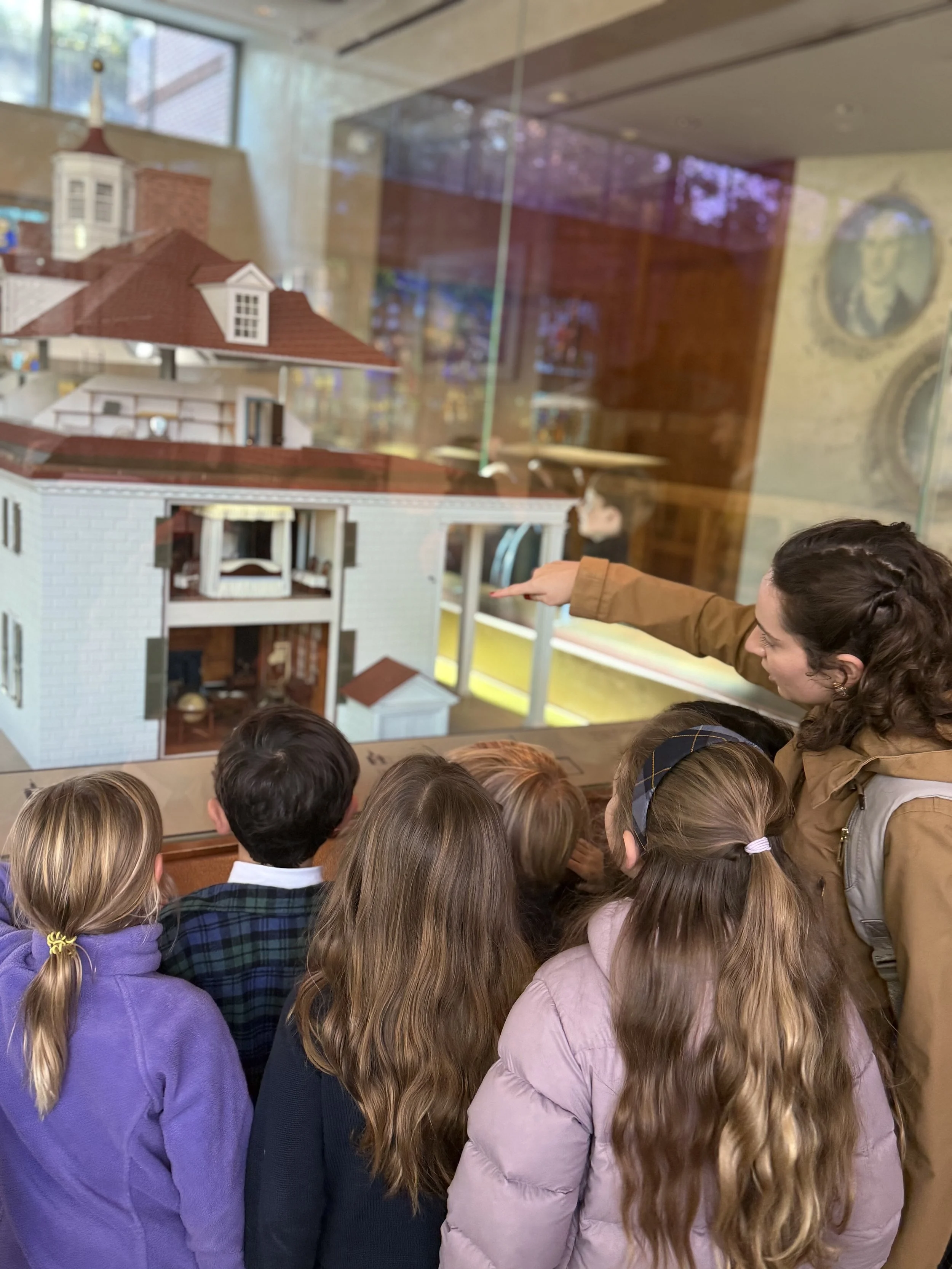
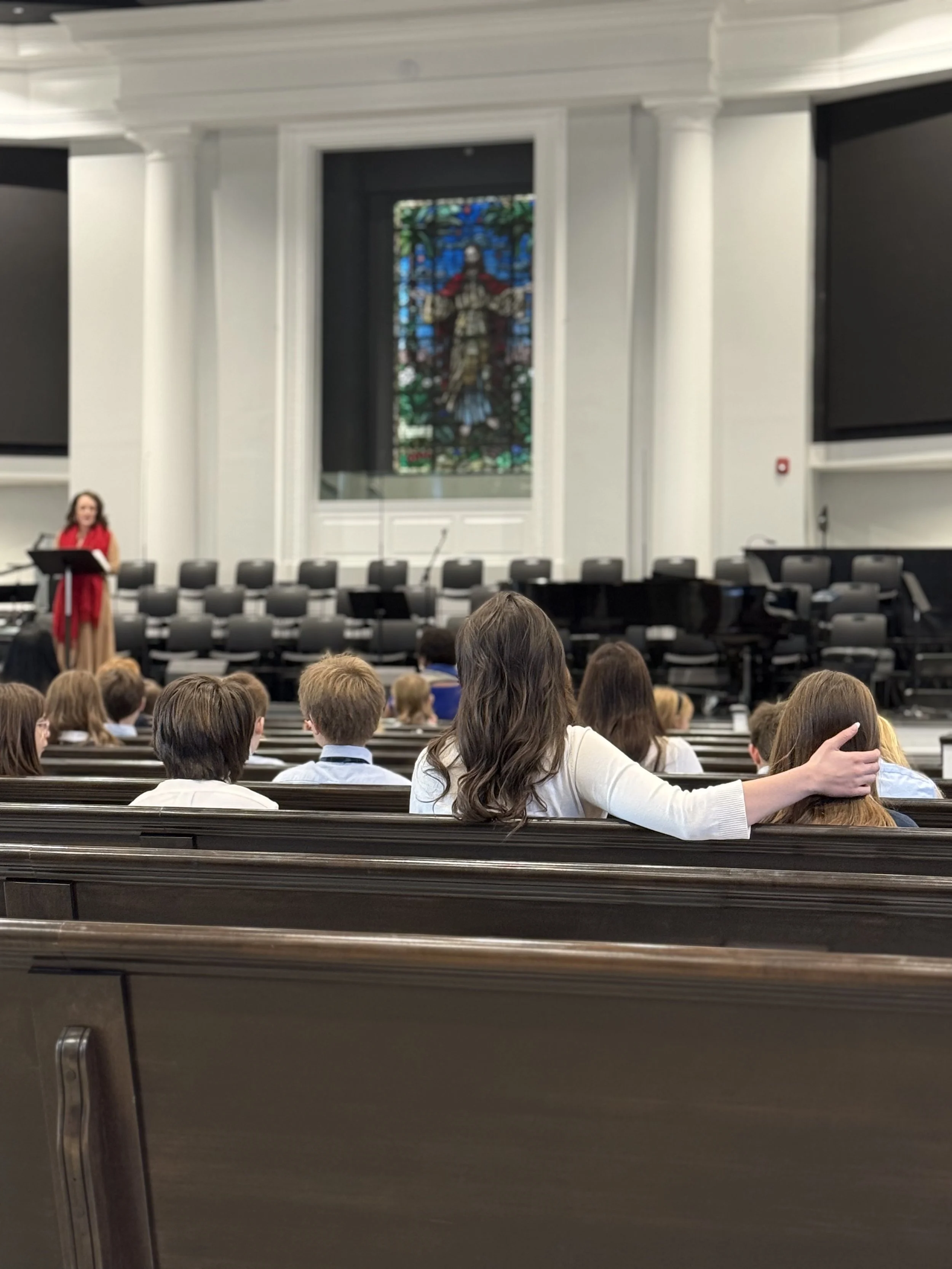
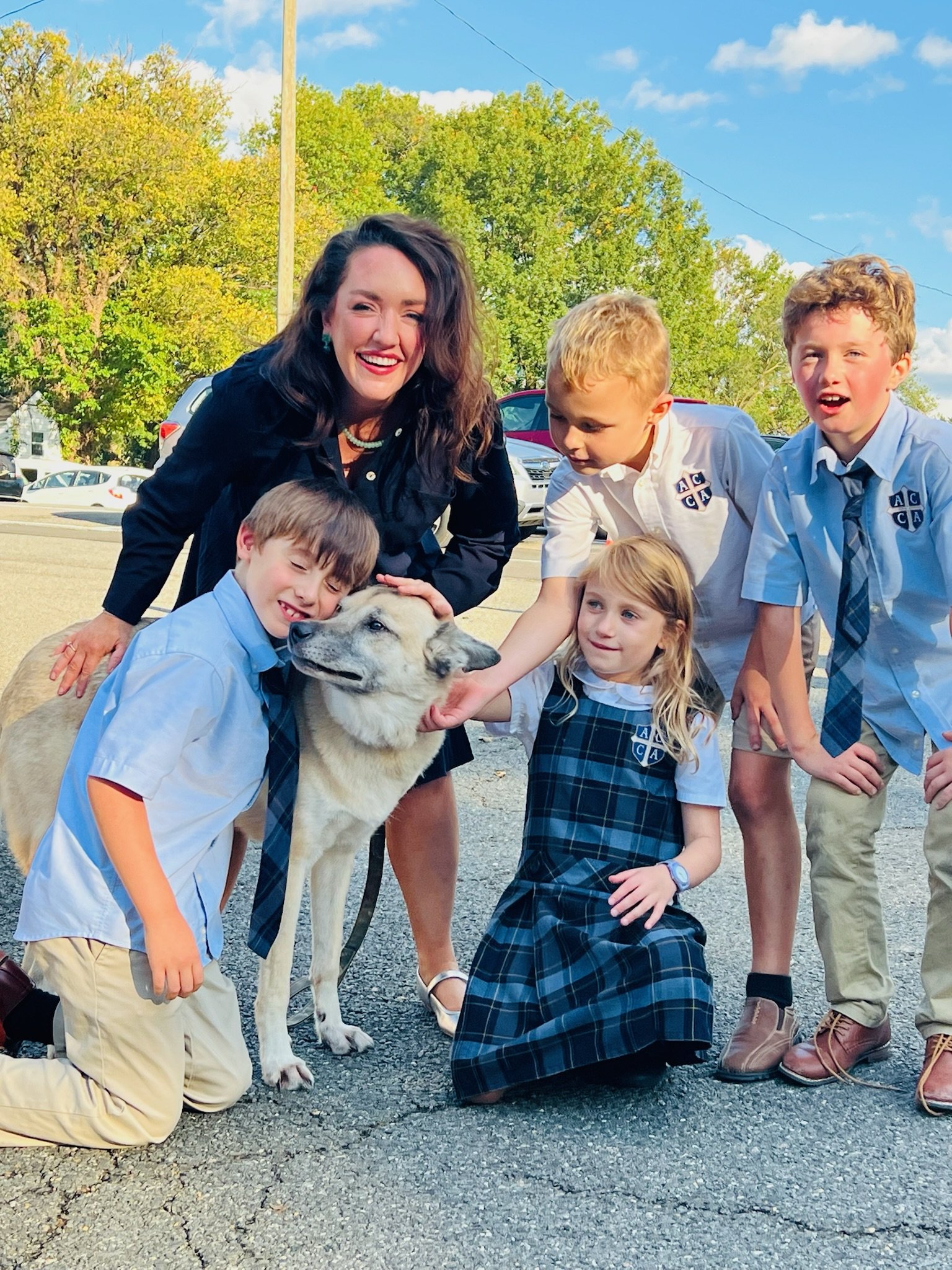
Small class sizes make this possible. They allow teachers to notice the quiet child who needs encouragement, the confident child who needs challenge, and the child whose gifts are still emerging. They make room for the small, human moments that matter: a teacher letting a child tuck flowers into her hair at recess; quietly placing an arm around a student during Chapel because they need a little extra love that day; recognizing when a child has had a hard morning and simply needs a hug before lessons begin. They allow a Headmaster to join a Kindergarten class party with genuine delight, or to reward memorization challenges not with empty prizes but with tools that invite further craftsmanship. They allow teachers to show up beyond the classroom as well, sitting in the audience at a dance recital or listening attentively as a student speaks at an Open House. To be seen in this way, to be truly known, is not incidental to learning. It is essential to it.
Teachers as Craftsmen
When education is understood as formation, teaching becomes a craft.
Our teachers are not simply delivering content. They are craftsmen shaping minds, nurturing wonder, and stewarding the trust families place in them each day. They share a deep love for classical education, a reverence for truth and beauty, and a genuine love for the Lord. Just as importantly, they have a gift for teaching children by seeing them, guiding them, and calling them to more.
Collectively, our faculty bring an average of thirteen years of classroom experience per teacher. That depth matters. It shows in their confidence, their patience, and their ability to recognize what a child needs in a given moment, whether that is encouragement, challenge, or quiet reassurance.
Among our faculty are educators with rich and varied paths. We have a published author who understands the power of words. We have a teacher who served students in public schools for more than twenty years. We also have a teacher whose years working as a scientist in the lab now shape the way she teaches science and mathematics. Through her, students encounter science as both disciplined inquiry and a window into the order and beauty of the created world.
Their backgrounds differ, but they are united by a shared calling to teach with intention and heart.
What follows are their voices.
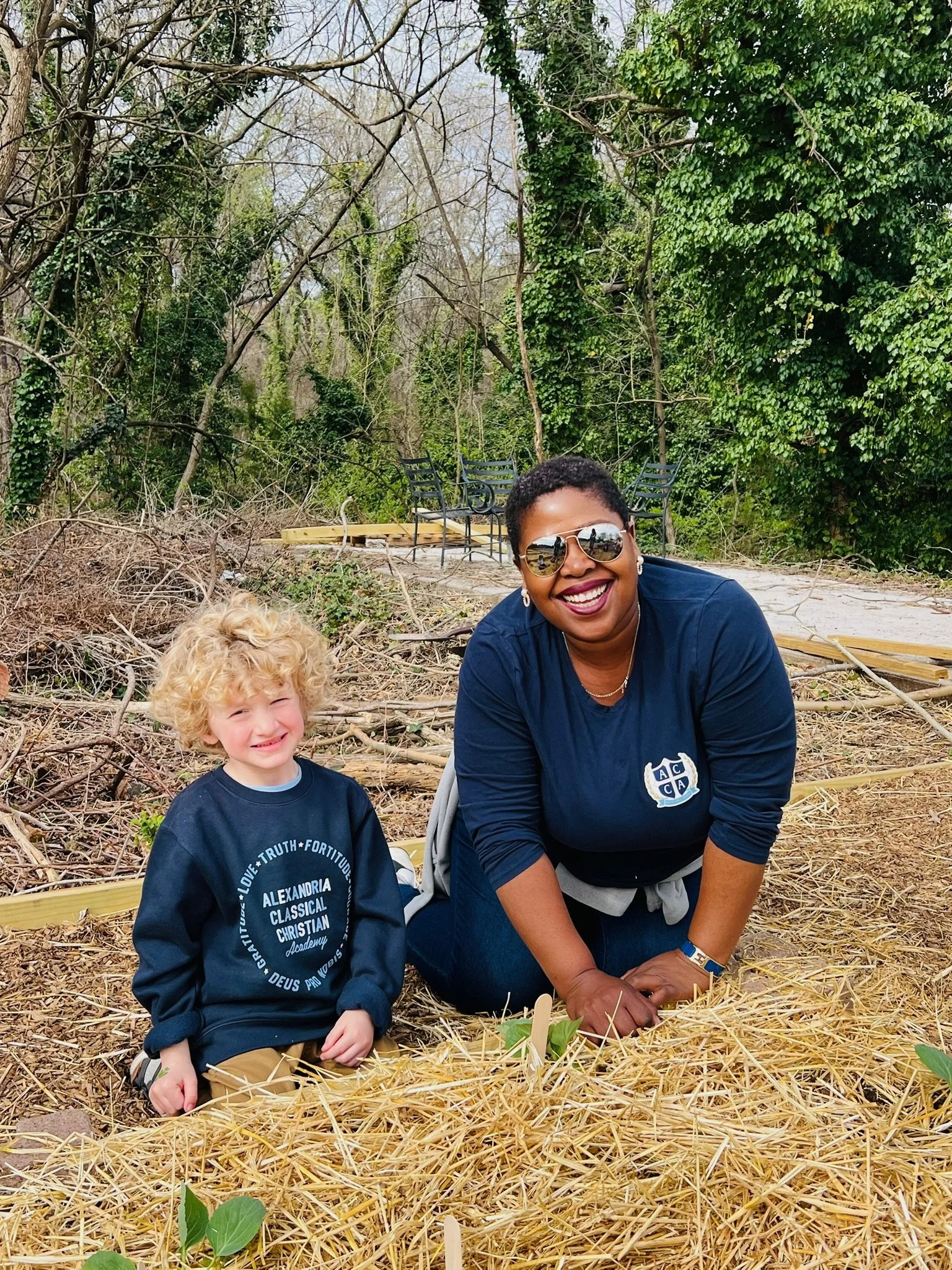
Teachers who speak of their work as a calling and a craft. Of prayerful attention to the hearts of children. Of classrooms built on trust, joy, and high expectations rooted in love. They write about noticing the small moments that matter, walking patiently with students through mistakes and growth, partnering with parents with humility and care, and forming children who know they are deeply loved by God. Together, these reflections offer a picture of what it looks like when students are truly seen, and what we hope they will carry with them long after their school years are complete.
Quotes
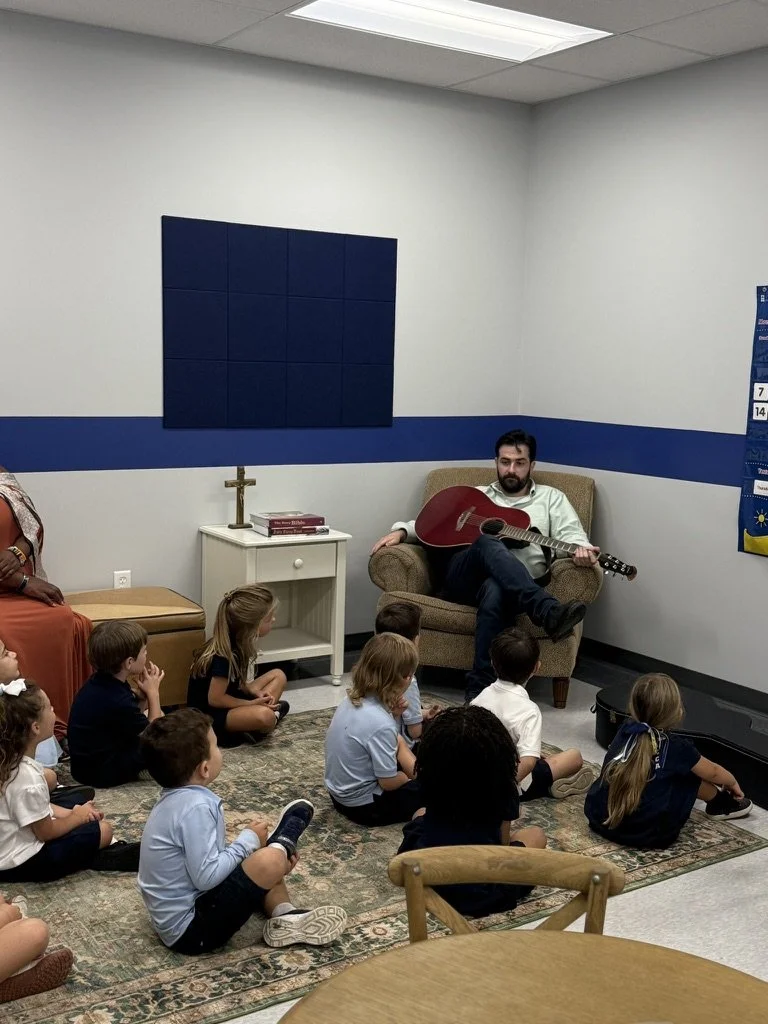
Teaching is hard work, but like all good work it is also a great blessing. I deeply love my job and I thank God for work that is so fulfilling, heartening - and, I pray, fruitful. In teaching we want to lead students to knowledge of God and His world, and also to love of God and His world. We cannot guide students to knowledge and love without knowing and loving each of them as an infinitely valuable child of God.
Kristin Malcolm, Junior Kindergarten Teacher
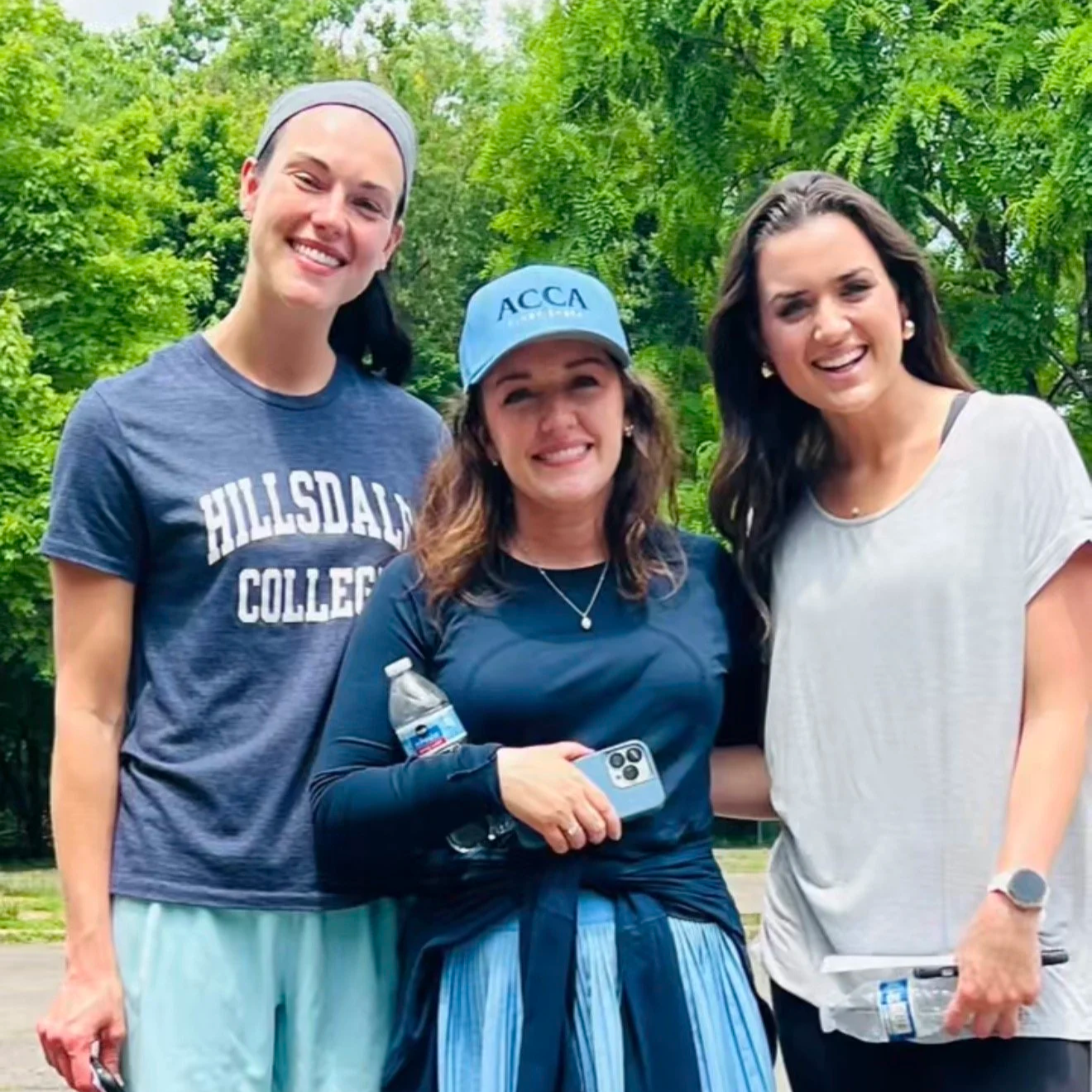
Knowing a child’s love language is vital. From the first moment you meet, it is important to begin laying the foundation of love, trust, security, and their ability to know you “see” them and truly care. Daily prayer asking God to help me see “His” children through “His eyes and heart” is how I reach each one of them individually.
Brandi Dill, Kindergarten Teacher
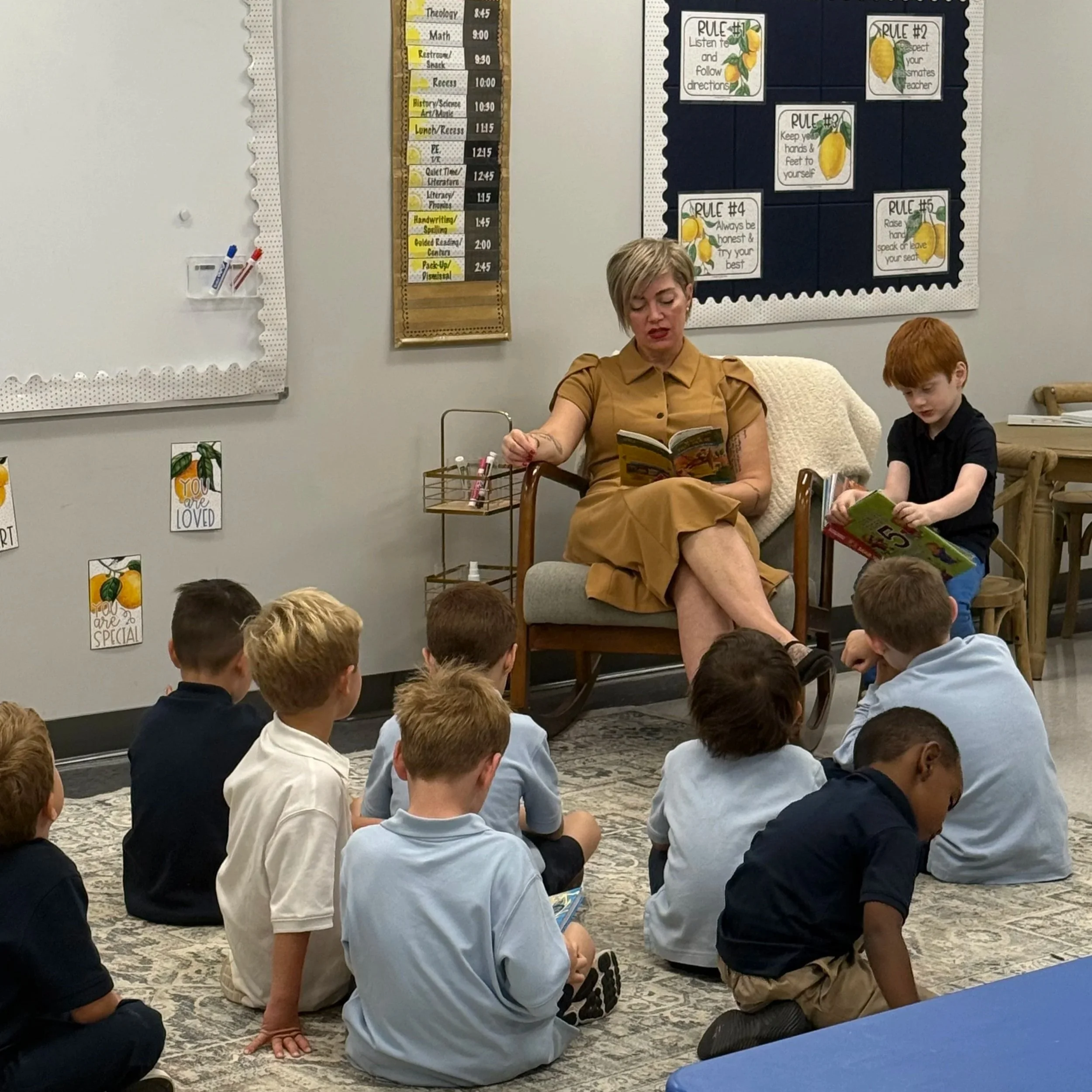
I hope that my students carry with them the gratitude we share for the Lord’s gift of music. I hope that through His creation of song they continue to praise His name and grow closer to Him, allowing the music to exercise its emotional power to unlock something in their hearts when words fall short. Not only will they carry with them the love for these hymns and their technical music knowledge, but they will always have a tool for rejoicing in God’s love.
James Peterson, Music Teacher
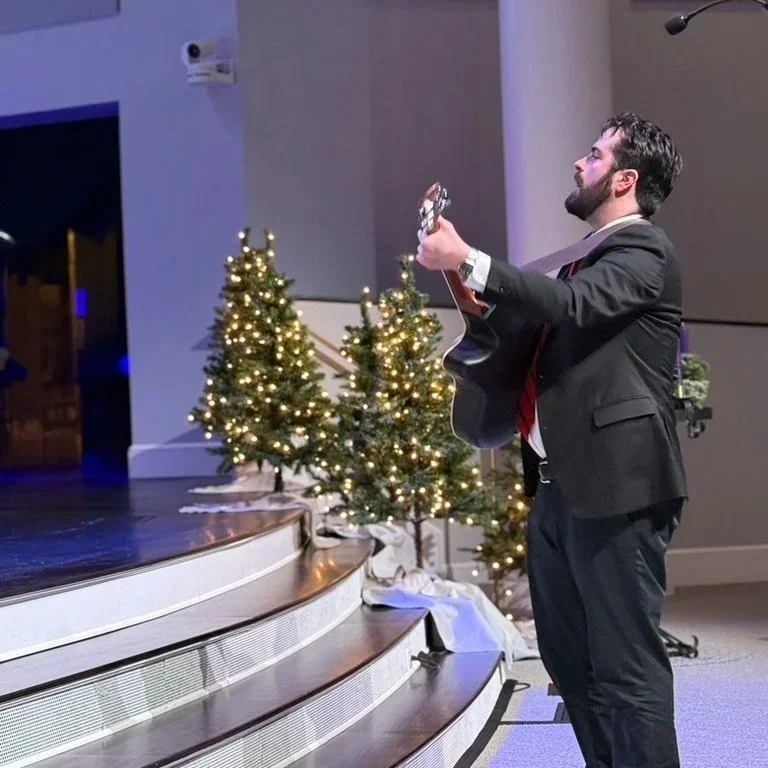
Years from now, I hope my students remember all of the character work we practiced over the year. Showing love to others by encouraging them, serving them, and helping their friends to do what’s right. Persevering when the work is hard and the way to mastery feels impossible; joyfully beholding the world around us; trust that obeying authorities, ultimately God, is out of our desire for their good; that it’s okay to make errors and mistakes. Most importantly, they are loved children of God and nothing (no poor choices, failed assignments, or less than desired grades) will change that or their worth. I hope they felt excitement, peace, and joy coming into the classroom.
Danielle Davis, First Grade Teacher
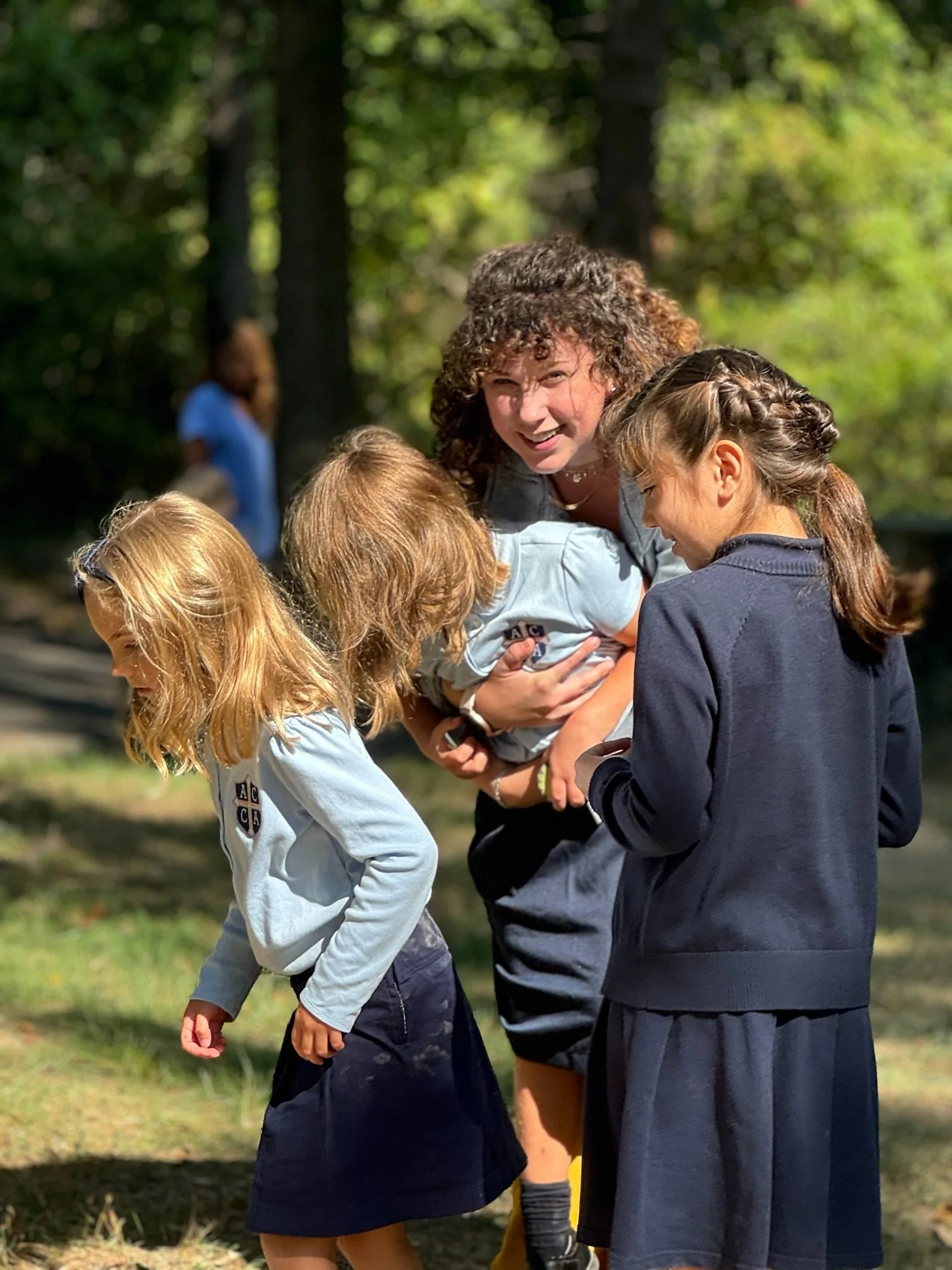
I hope my students remember that they had a safe, loving, and relational place to learn each day. The little ones are away from their parents for a long time and often need to know that everything big and important to them will still be taken care of by their teacher. Whether that is a bandaid for a boo-boo, answering their big questions about how big the number “billion” is or their need for a hug, I was there for that time.
Catherine Lee, Kindergarten Teacher
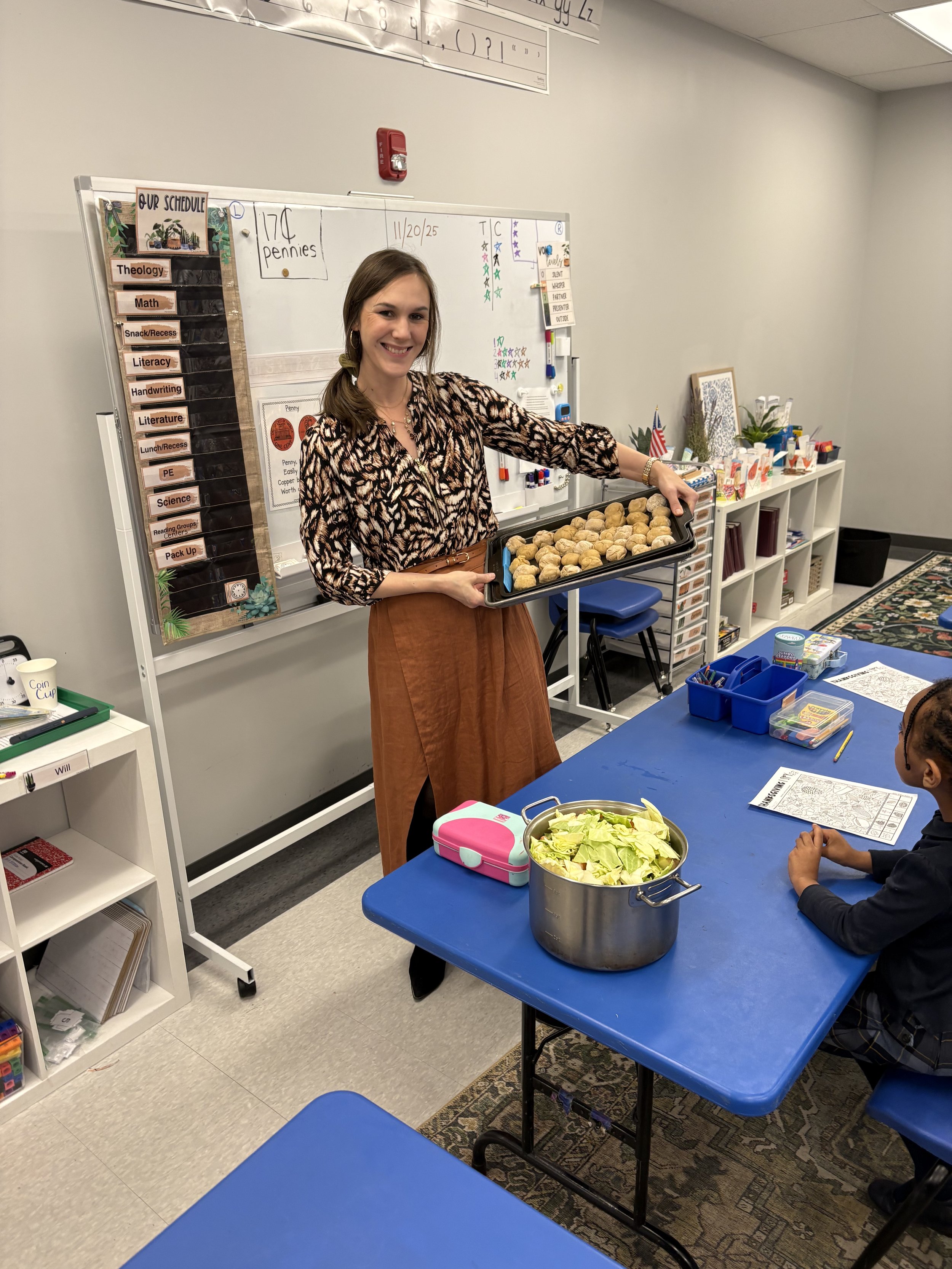
I hope my students remember the love Christ has for them - that they can be met where they are and loved unconditionally. I hope I am able to instill just a fraction of God’s love in my love for them, that holding them to high expectations is because I know they are capable of meeting them. Their strength rejoices in the challenges they face.
Brianna Bolanos, Sixth Grade Teacher
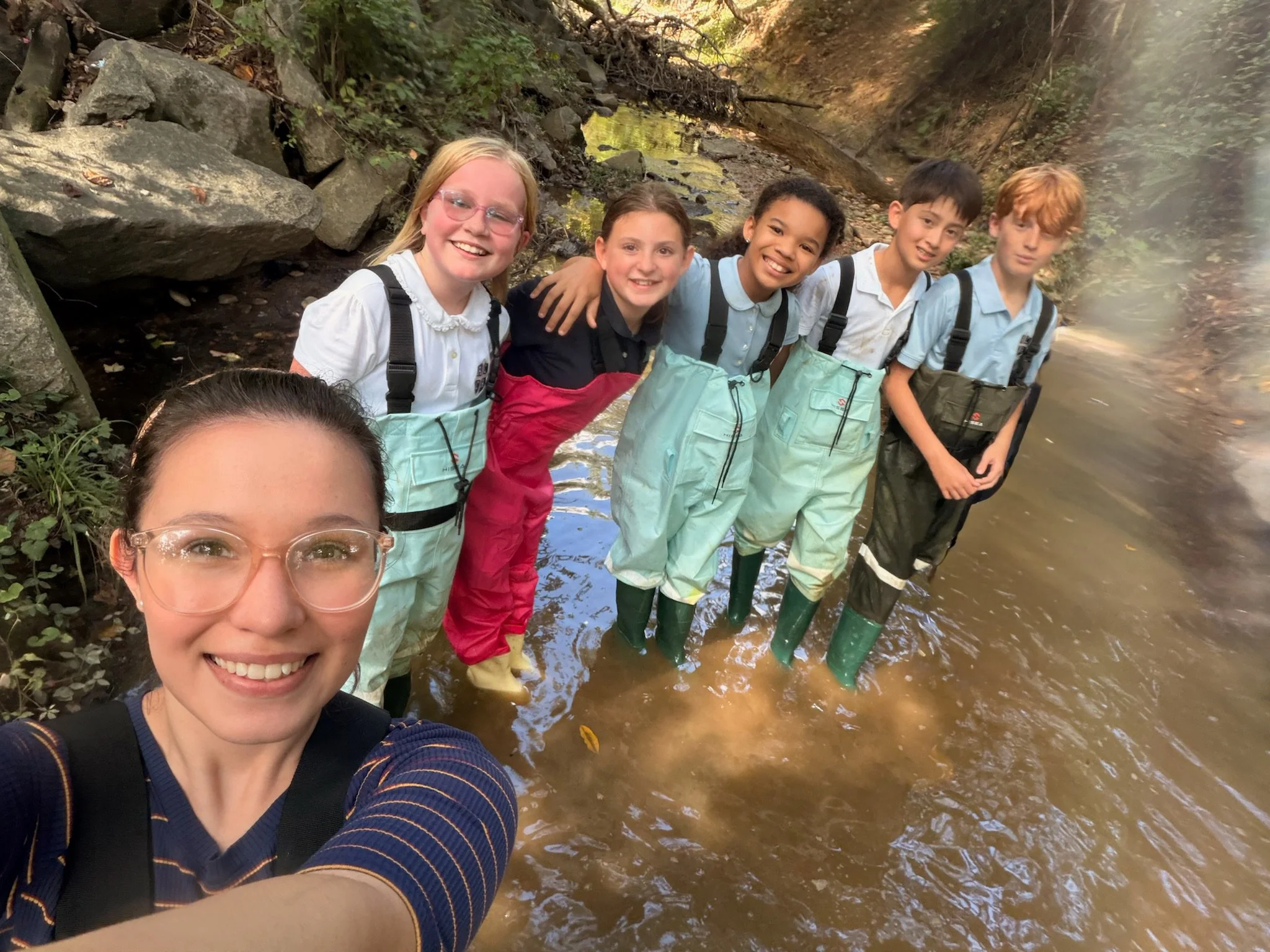
I want parents to know that as your child grows, I am not surprised by their mistakes and failures - academically or behaviorally. More importantly, I do not see them differently (or as a “bad kid” or “cheater” or “liar”) or love them less. Failure is a normal, healthy part of development. How we, as adults, respond to their failure - and encourage their perseverance through failure - makes all the difference.
Carissa Davis, Academic Dean
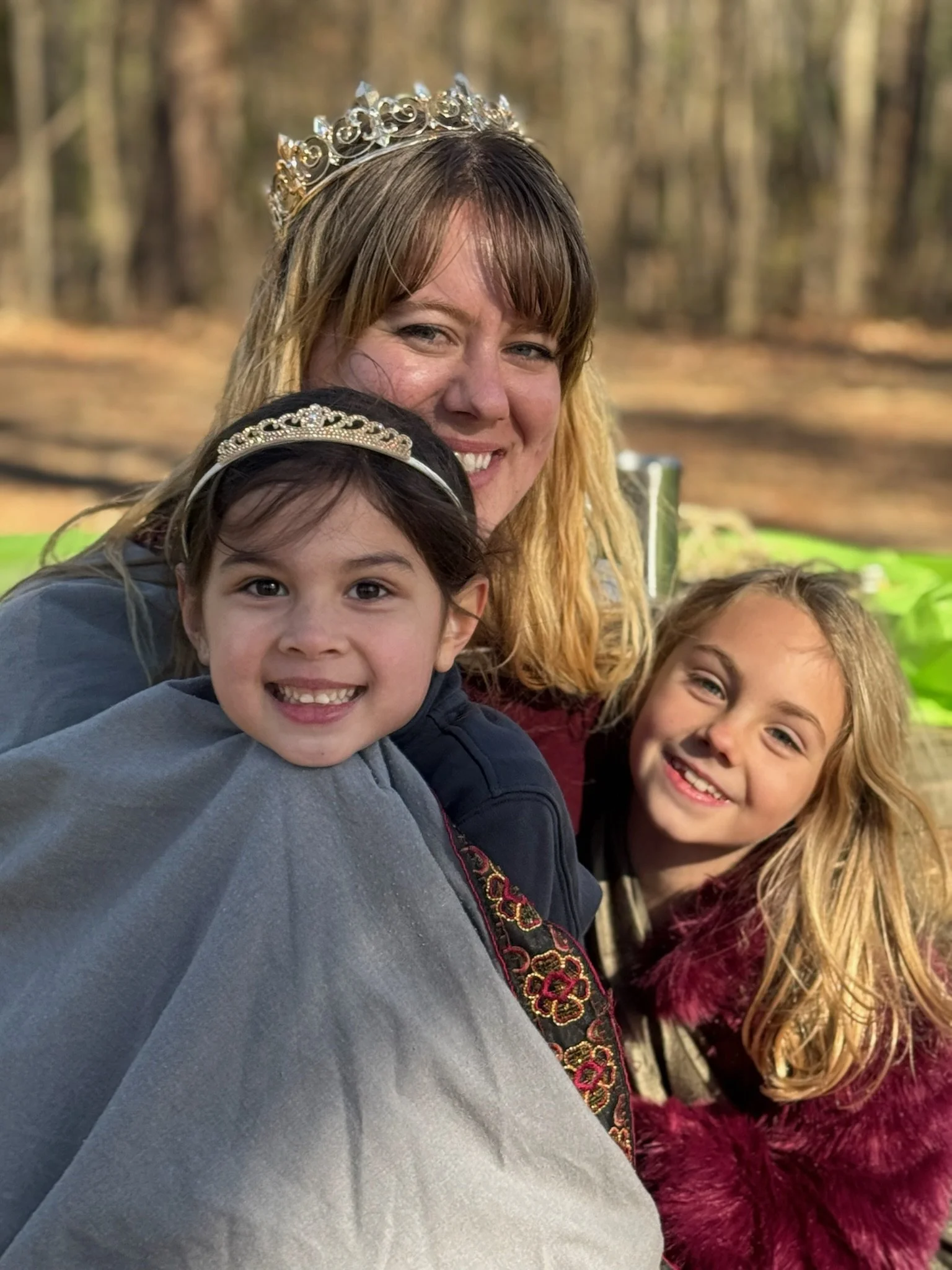
These children are the lights of my life. What a privilege to watch them grow in faith and knowledge, and to be a part of their formation. Each student, imago Dei, teaches me something different about the Lord and enriches my world. With my colleagues, I want us to be witnesses to their lives, champion their hard work, and help them to love and enjoy our Savior.
Katherine Joseph, Headmaster
Alexandria Classical Christian Academy accepts applications on a rolling basis, depending on availability within each grade. Families who would like to learn more or inquire about openings are welcome to reach out to Alexander Finestone, Director of Advancement and Communications, alexander.finestone@accacademy.org for additional information.
SEE ALSO: 5 Back to School Tips from a Headmaster