What Does It Take to Raise Kids Who Love to Learn?
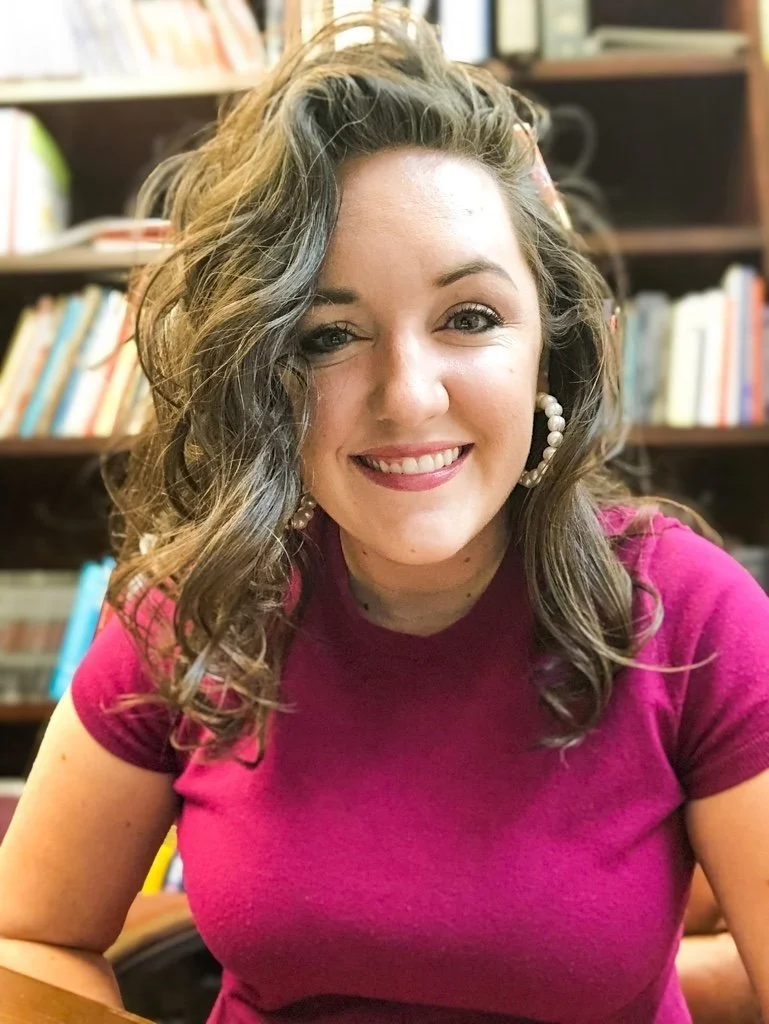
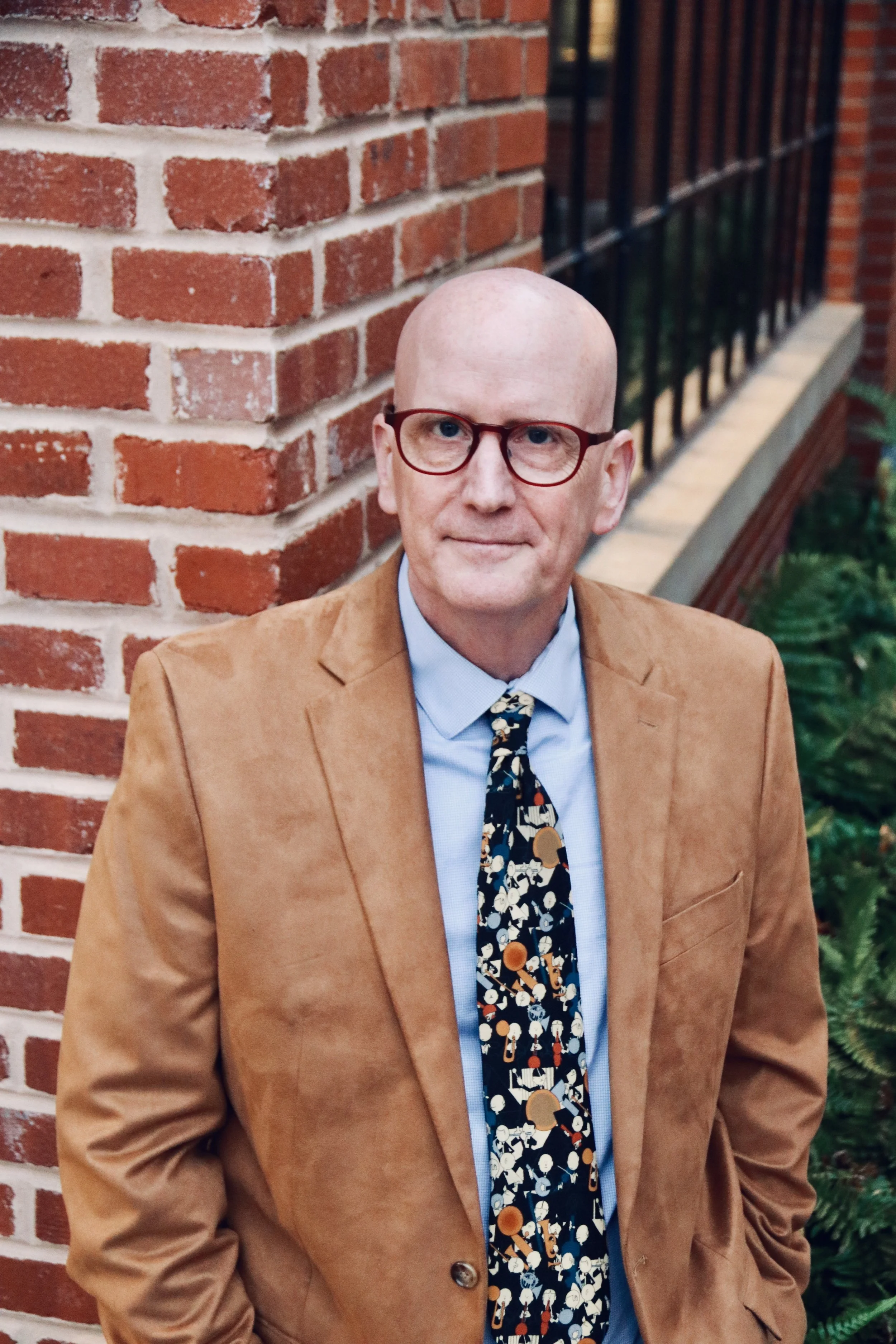
Have you ever been star-struck? Perhaps you've met a favorite musician or an author whose books you've admired for years. For me, that moment came when I reached out to Dr. Daniel Willingham, a cognitive scientist and professor of psychology at the University of Virginia, to ask whether he might speak to parents here in Alexandria.
I realize a cognitive scientist might not be everyone's idea of a celebrity, but for an educator like me, Dr. Willingham is something of a rock star. His bestselling book, Why Don't Students Like School?, is one I frequently recommend to teachers and parents. When he agreed to come to Alexandria, I was thrilled!
My admiration for his work began with a challenge I encountered early in my teaching career. Middle school students were eager to debate politics, economics, and human nature. They had an impressive capacity for reason, and many understood the basic rules of logic. Yet they often lacked the knowledge necessary to construct a sound argument. Their opinions were strong, but their arguments were frequently driven more by emotion than evidence.
Around that time, I read E. D. Hirsch's Cultural Literacy, which introduced me to a deceptively simple principle: knowledge begets knowledge. The more we know, the easier it becomes to acquire and understand new information. When I later read Dr. Willingham's work, I was fascinated by how cognitive science reinforced this idea. He explained how memory works and why vocabulary, context, and background knowledge are so important to learning.
It changed the way I approached teaching. Rather than simply asking students to think critically, I became more intentional about building the knowledge they needed to do so. I also began experimenting with how I presented problems and questions, looking for ways to challenge students without diminishing their natural curiosity. When I found that balance, my classroom felt like it was off to the races.
One of the things I most appreciate about Dr. Willingham is his ability to make cognitive science accessible and immediately practical. I've often wondered why a deeper understanding of how the brain learns isn't required in every teacher-preparation program!
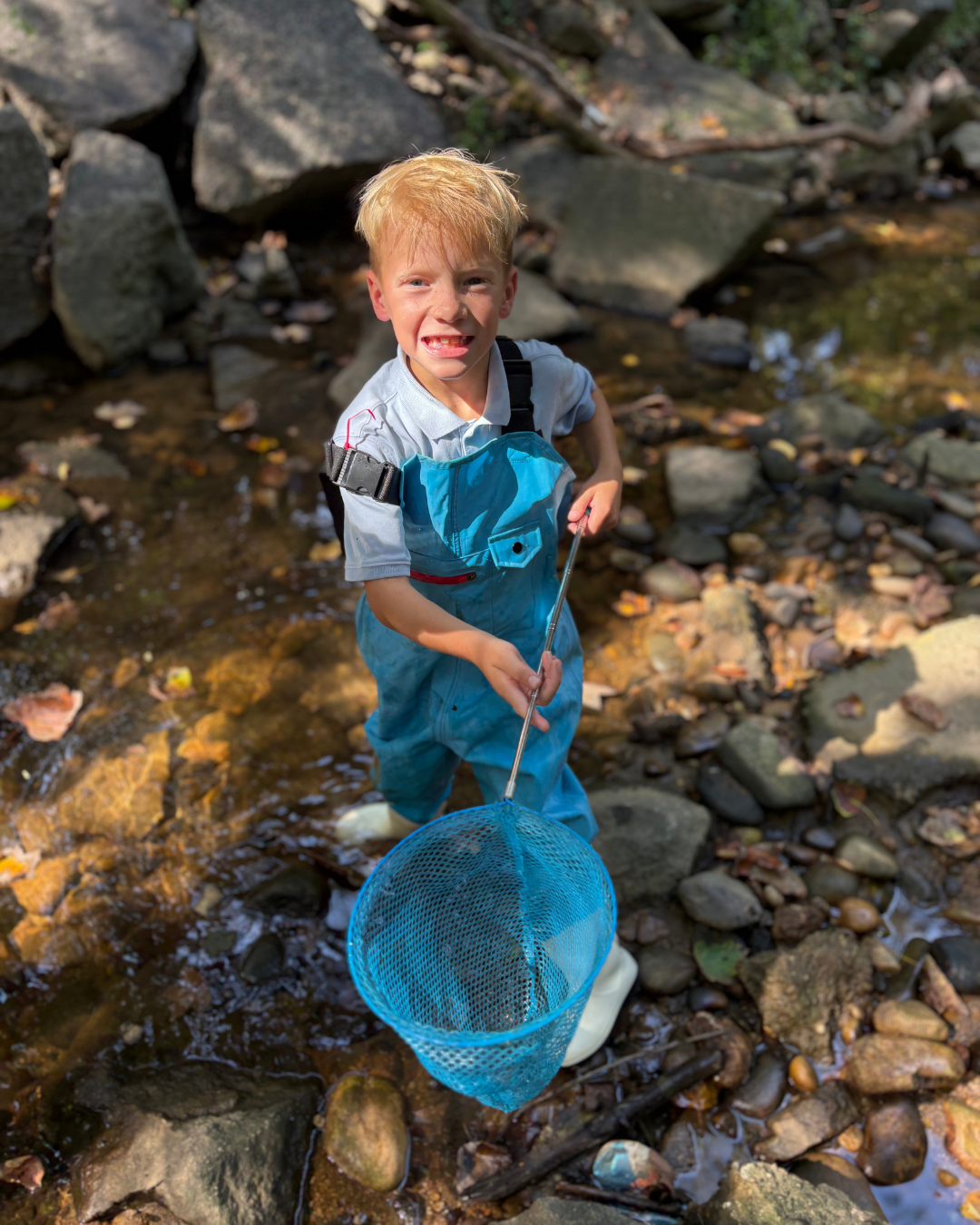
Consider something as simple as taking a group of children to a creek and discovering an unusual insect. A teacher could gather the students, identify the insect, and share a few facts. Most children would probably remember seeing it.
But imagine approaching that discovery differently. What is this insect? Where does it live? What might eat it? How could we find out? Suddenly, the children are observing, questioning, drawing on what they already know, and working toward a deeper understanding.
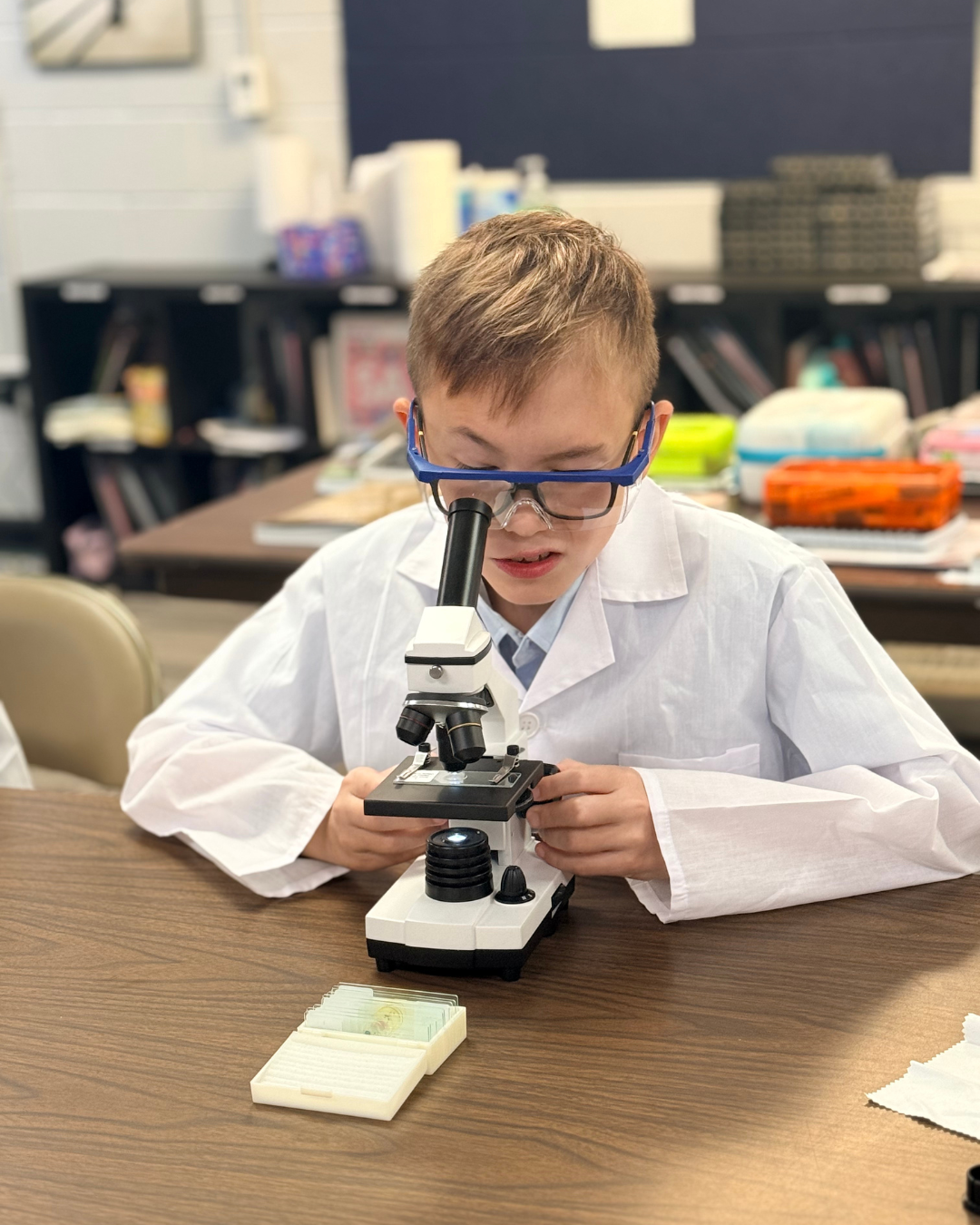
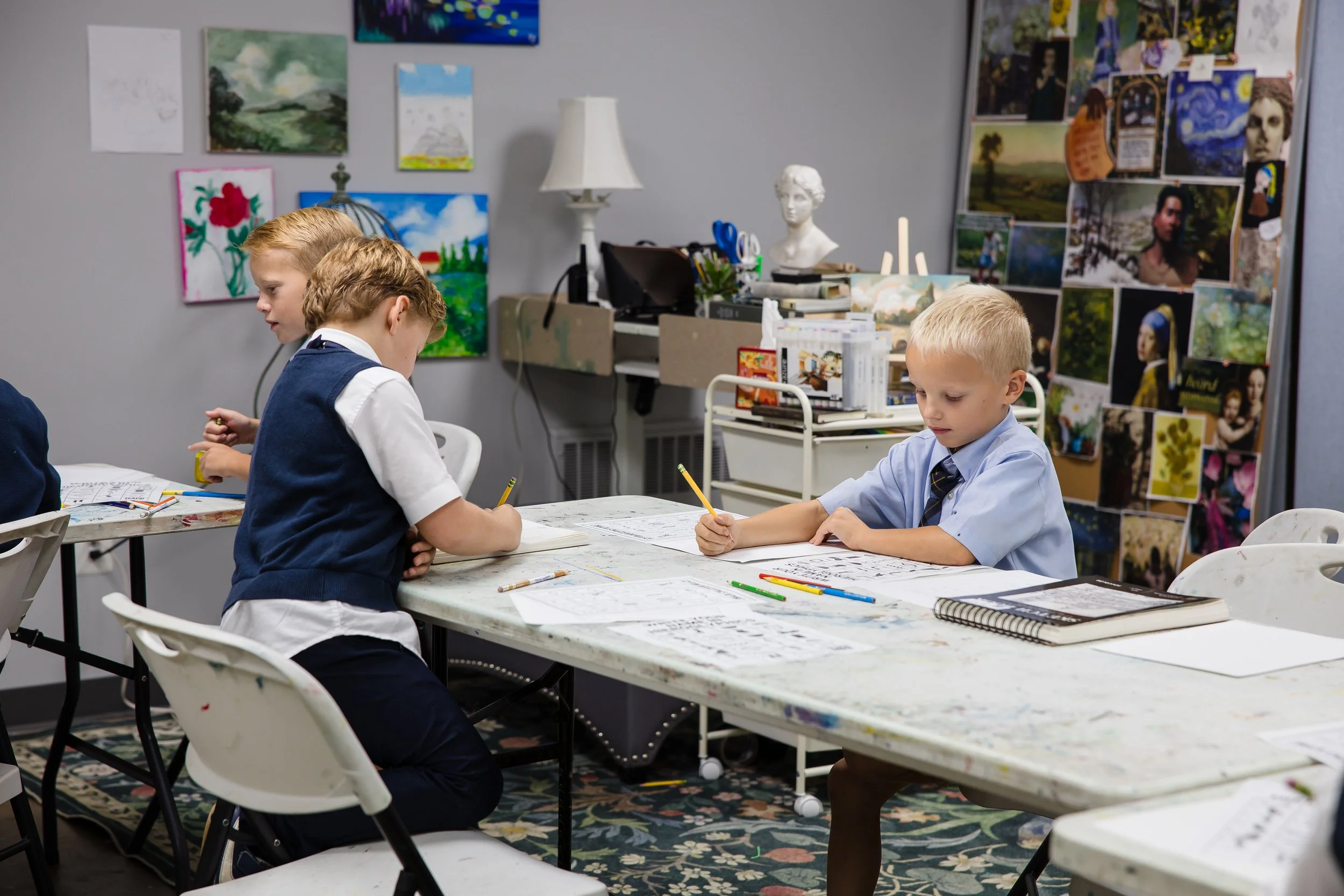
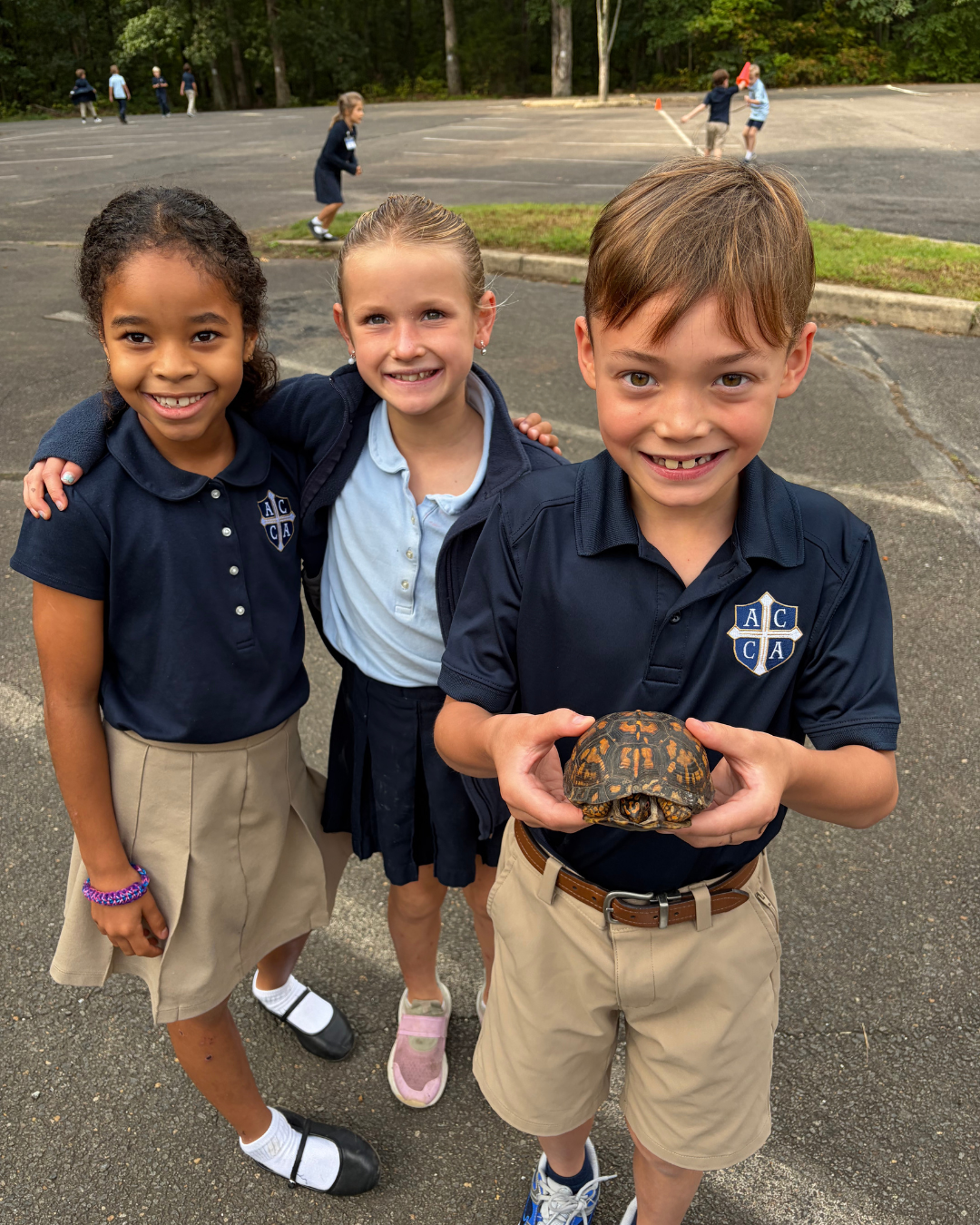
The key is giving children problems that stretch their thinking without overwhelming them. If a task is too easy, they become bored. If it's too difficult, they become frustrated. With sufficient background knowledge and the right level of challenge, curiosity can flourish. This is something Dr. Willingham explores in his work, and it aligns beautifully with the emphasis on wonder that has been part of education since Aristotle.
These principles matter just as much at home as they do in the classroom. If there's one thing I wish more parents understood, it's the tremendous value of reading widely. Books introduce children to new vocabulary, unfamiliar places, historical events, scientific discoveries, and ideas they might never otherwise encounter. Each new piece of knowledge gives them a foundation for learning something else.
In my ideal world, we'd make less room for tablets, video games, and children's YouTube programming, and much more room for books. The knowledge children acquire through reading pays dividends well beyond the pages themselves.
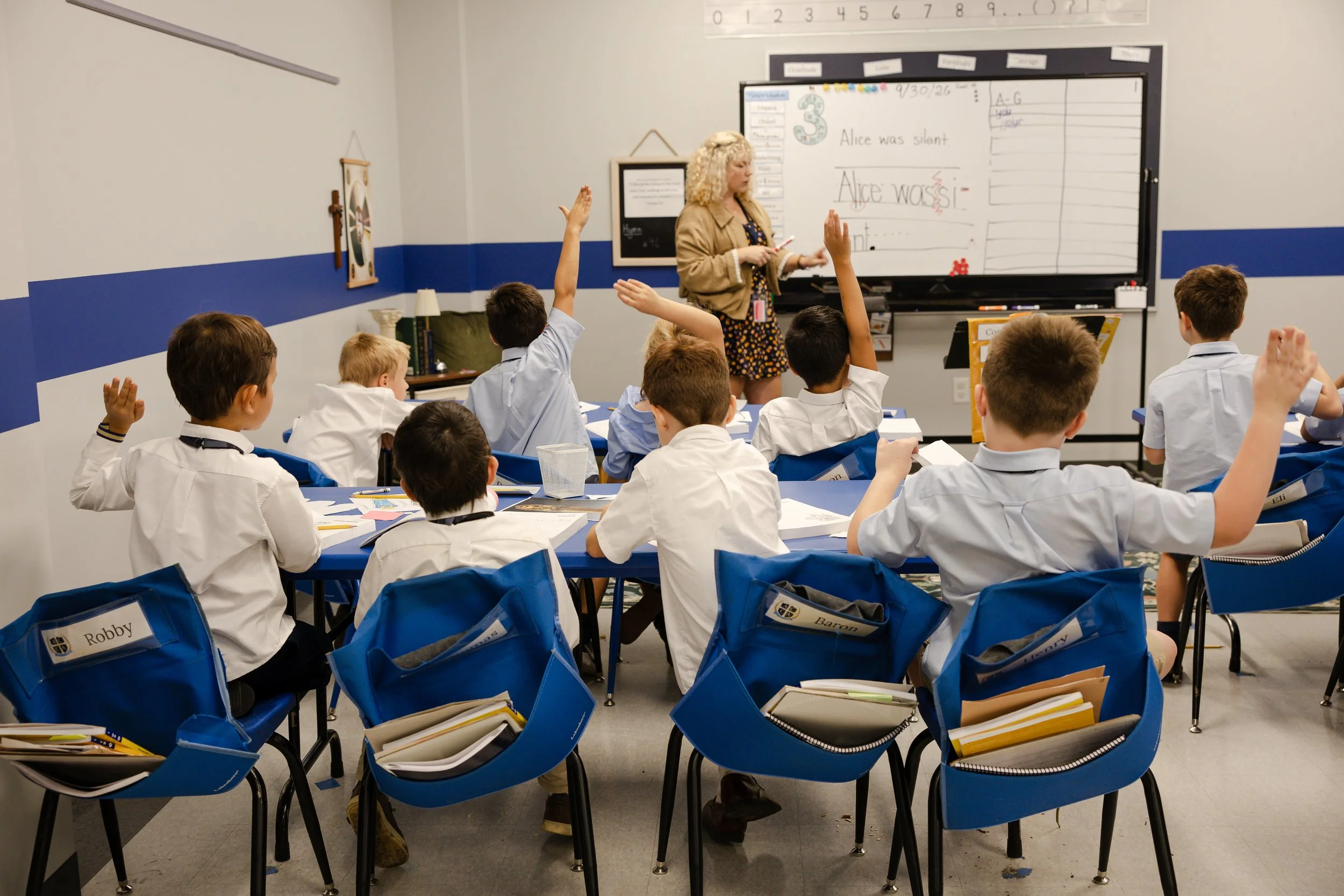
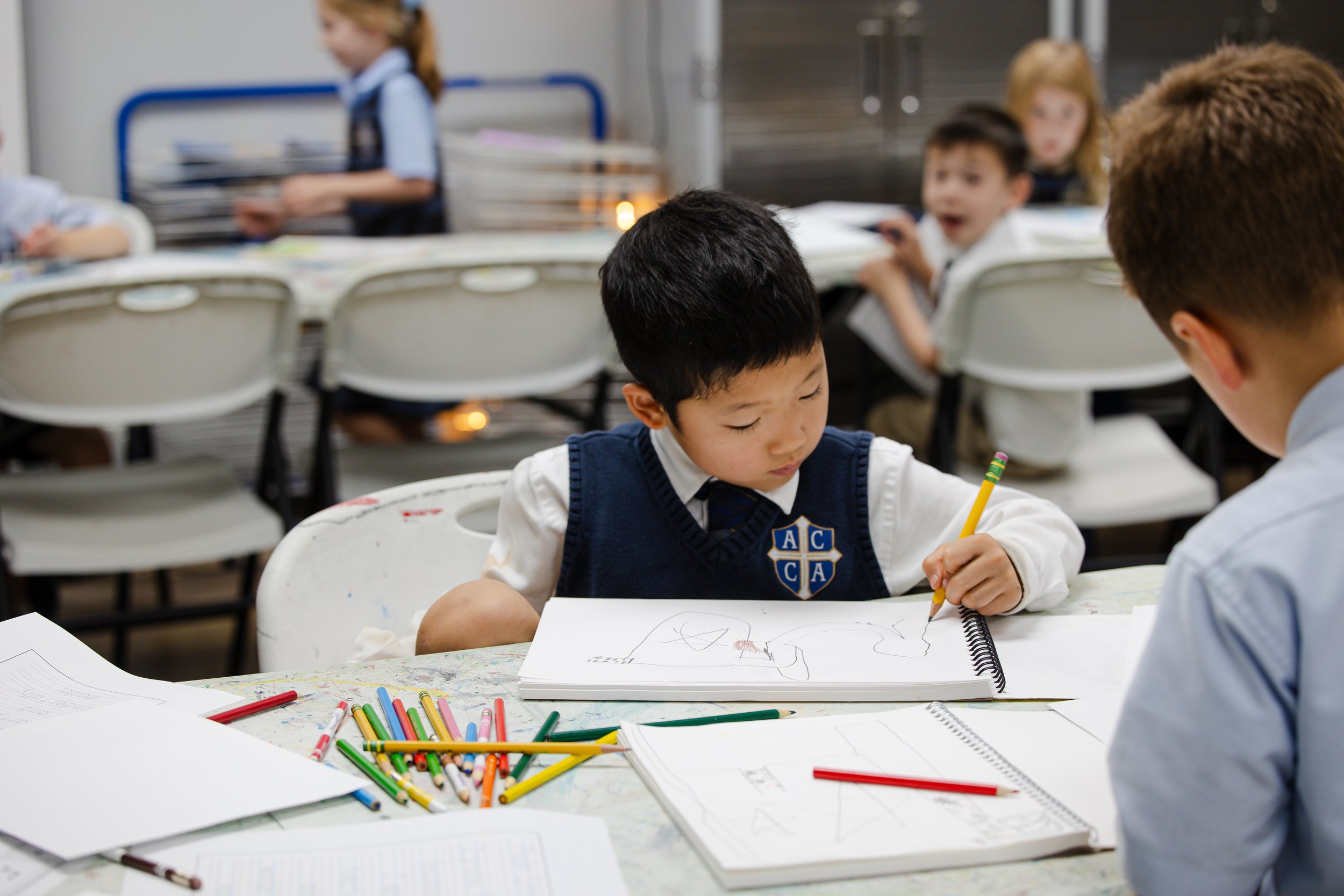
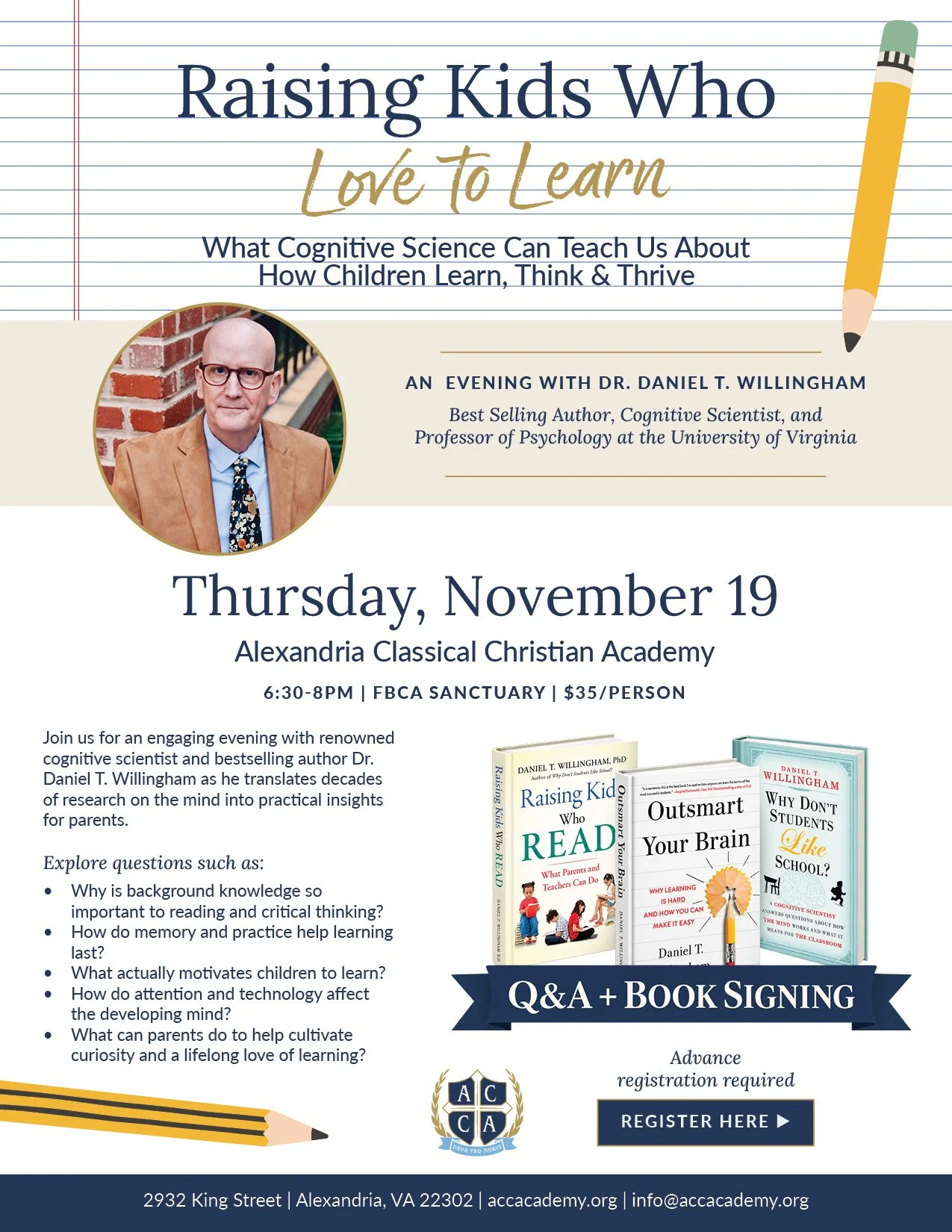
This is why I'm so excited to welcome Dr. Willingham to Alexandria on Thursday, November 19, at 6:30 p.m., for an evening titled Raising Kids Who Love to Learn, hosted by Alexandria Classical Christian Academy at First Baptist Church of Alexandria.
And this invitation extends well beyond our school community. Whether your children attend public school, private school, or are homeschooled, Dr. Willingham's insights into how children learn, what motivates them, and how we can nurture their curiosity are relevant to every parent.
The evening will include his presentation, an audience Q&A, and an opportunity to purchase his books and have them signed.
I hope you'll join us! I'll be there, book in hand, looking forward to learning from someone whose work I've admired for so long.
Tickets are $35 per person, and advance registration is required. Reserve your seat here.
SEE ALSO: The Teacher We All Remember