When the Night Claimed Me: Nocturne Paintings
I paint nocturnes, often in blue. I remember the exact moment the night claimed me.
It was March in Acadia. I was walking alone along the water’s edge, the tide crashing white against inky rocks. The night sang. The Milky Way streaked above me like the tail of some celestial animal, luminous and untamed. I stood there, small and open, feeling both exposed and held. It took me two years to paint that moment. When I finally did, I understood the power of the sublime, and why the nocturne had become personal.
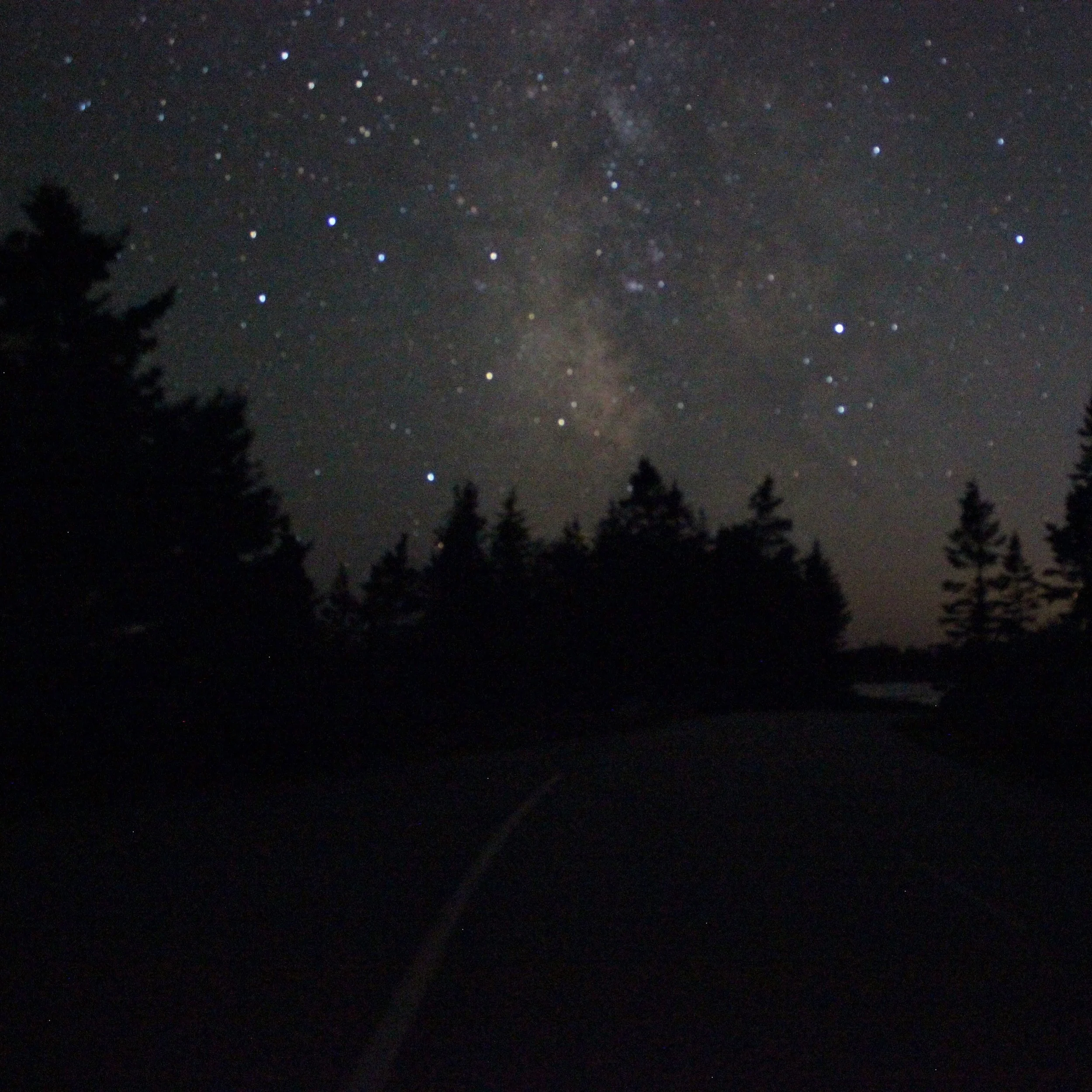
Schoodic Peninsula, Winter Harbor
The word nocturne began in music: often piano compositions meant to be played at night. The great rage of the time were the pieces of Frédéric Chopin, intimate and moody, meant for dim rooms and listening hearts. Around that same period, James McNeill Whistler was attempting something similar in paint, He was capturing the hush and mystery of nocturnal London. His “Falling Rocket” struck me early in life with a force I didn’t yet understand. Years later, alone in Acadia under that immense sky, I finally did. Awe has a frequency. I had heard it before.
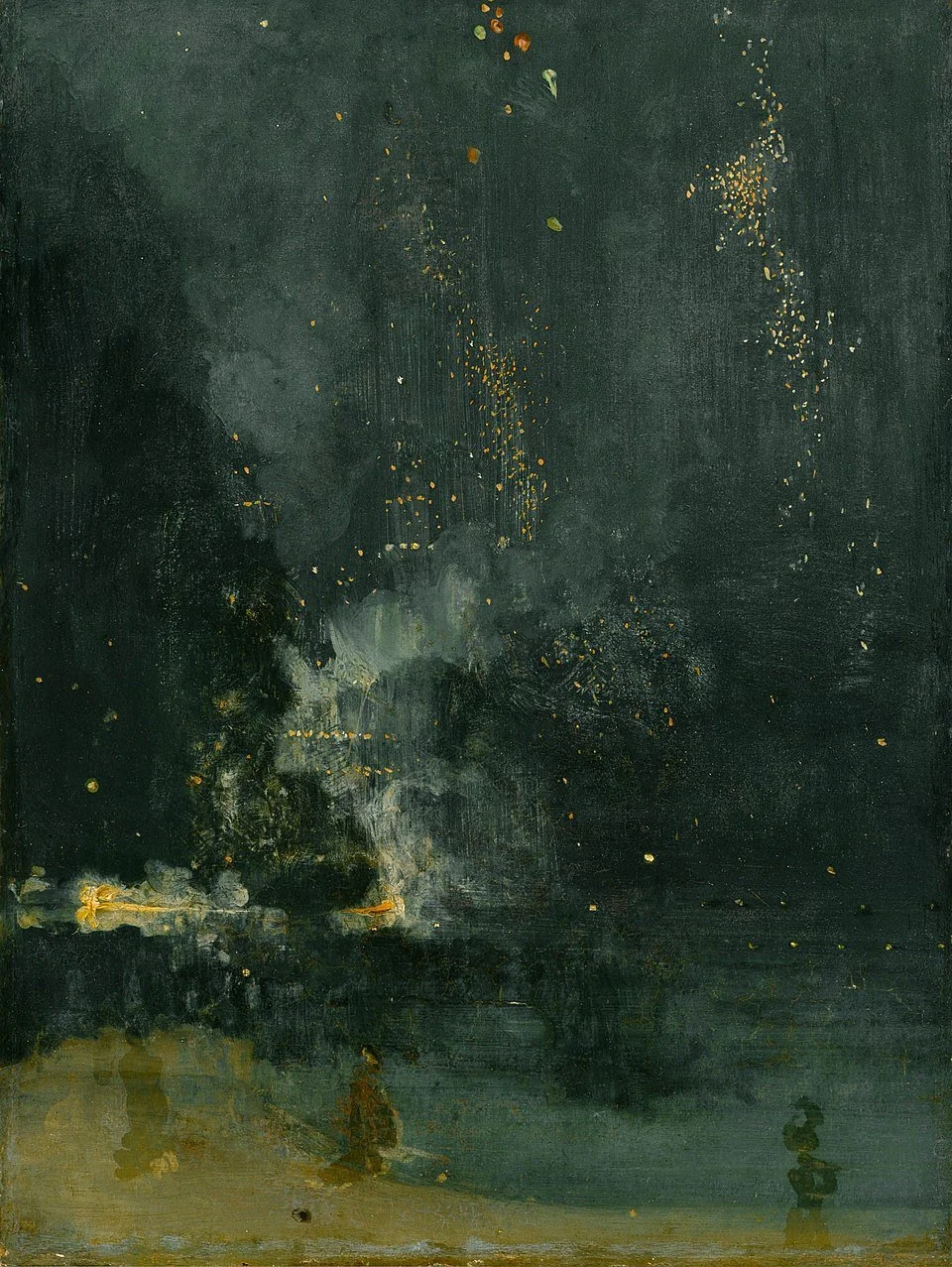
Nocturne in Black and Gold – The Falling Rocket by James McNeill Whistler 1875
Music is essential in my studio when I paint these works. Each series carries its own soundtrack, played on repeat for days or weeks. It becomes a tuning fork. Mahler to Radiohead, whatever the painting demands. The music returns me to the emotional key of the work, like a bookmark I can step back into. When it all aligns paint, memory, sound, the combined force of visual and musical beauty will bring me to my knees.
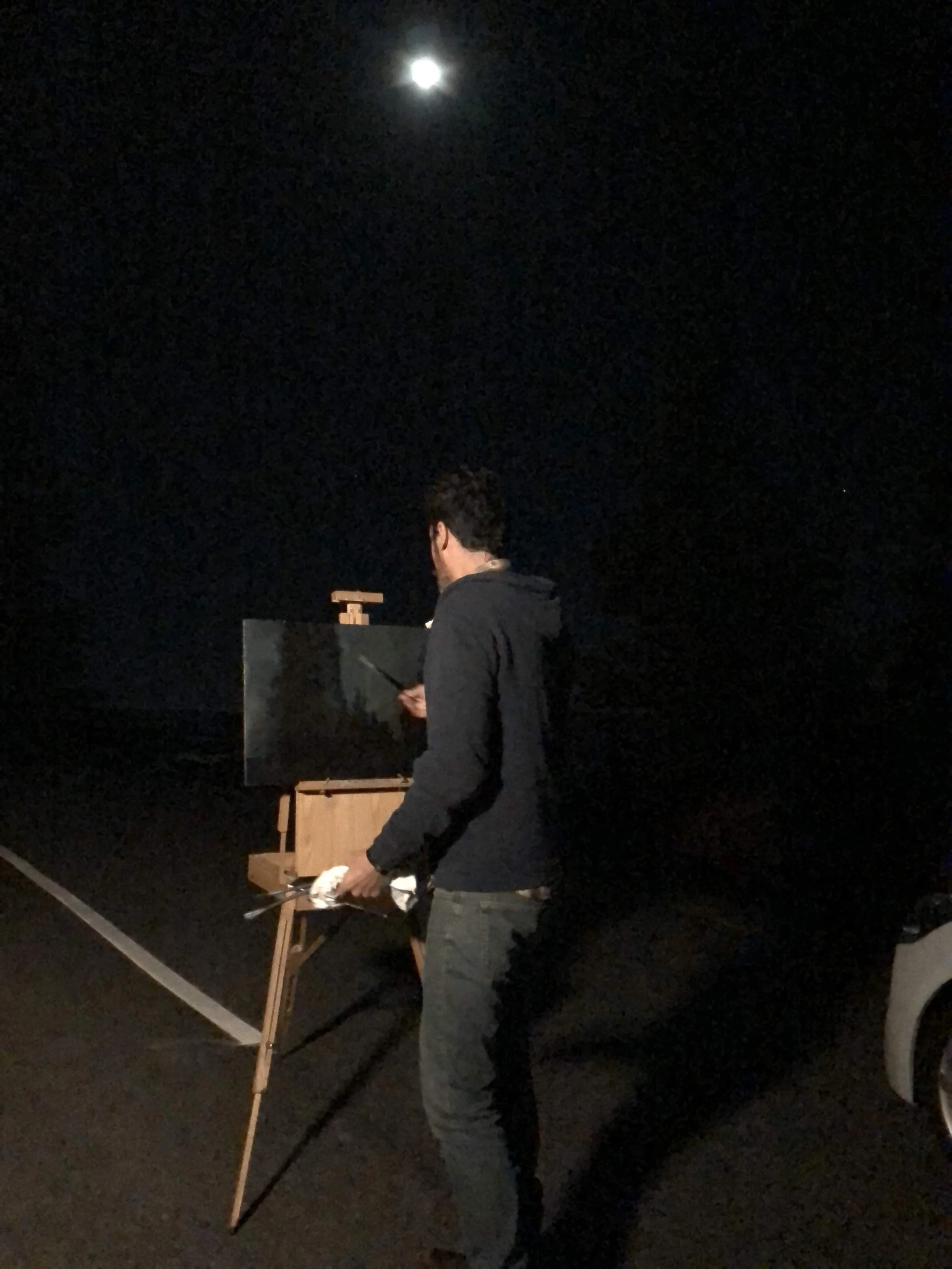
Loop Road in Acadia National Park Maine
Legend has it that Whistler would lead students down to the River Thames at night. On the walk back, he would recite the color harmonies and compositional arrangements they had witnessed in the dark. I like to imagine the rest of their evening filled with poetry and quiet music, reinforcing the theme that would emerge on canvas the next morning.
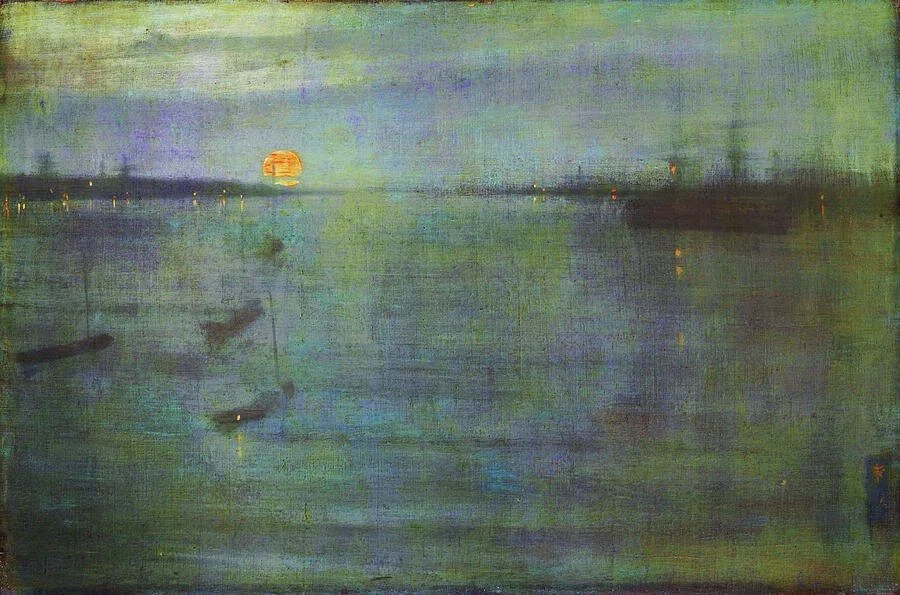
Nocturne in Blue and Gold by James McNeill Whistler 1872
Whistler called his paintings “compositions.” What an exquisite word. A composition is not simply assembled; it is orchestrated. Writing, music, dance, painting are all arrangements of silence and sound, light and shadow, tension and release. The nocturne is where those elements lean closest to mystery and the sublime.
And the sublime when approached with humility, answers back.
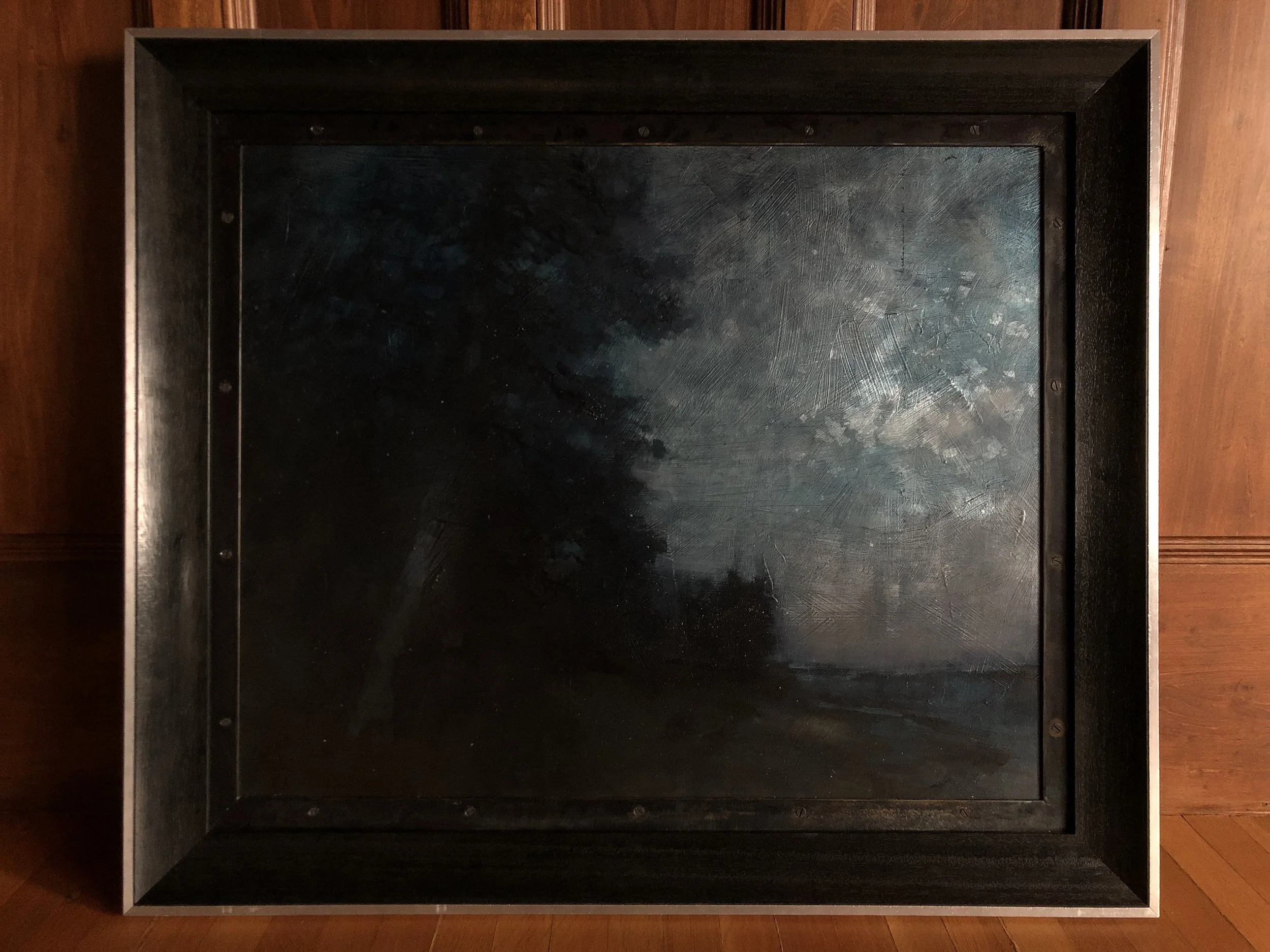
The Longing | Acadia at Night oil and silver leaf on panel by Don Ripper 2019
SEE ALSO: Protest and the Arts