Cambodia: The Trip That Recalibrates You
My alarm went off at 4:30 a.m. I am not a 4:30 a.m. person under ordinary circumstances. I went anyway, in the dark, and rode toward a temple complex that has been standing since the 12th century.
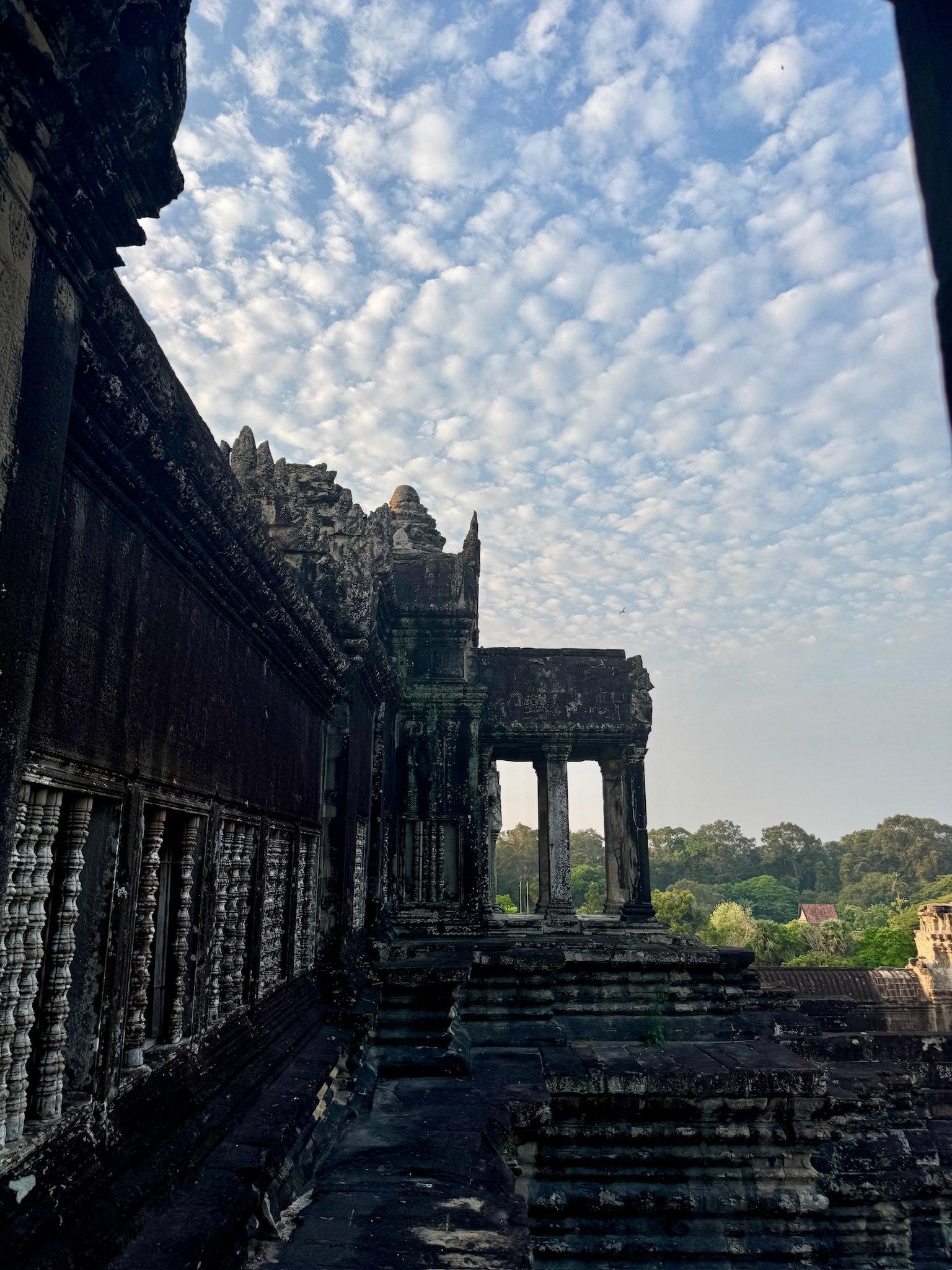
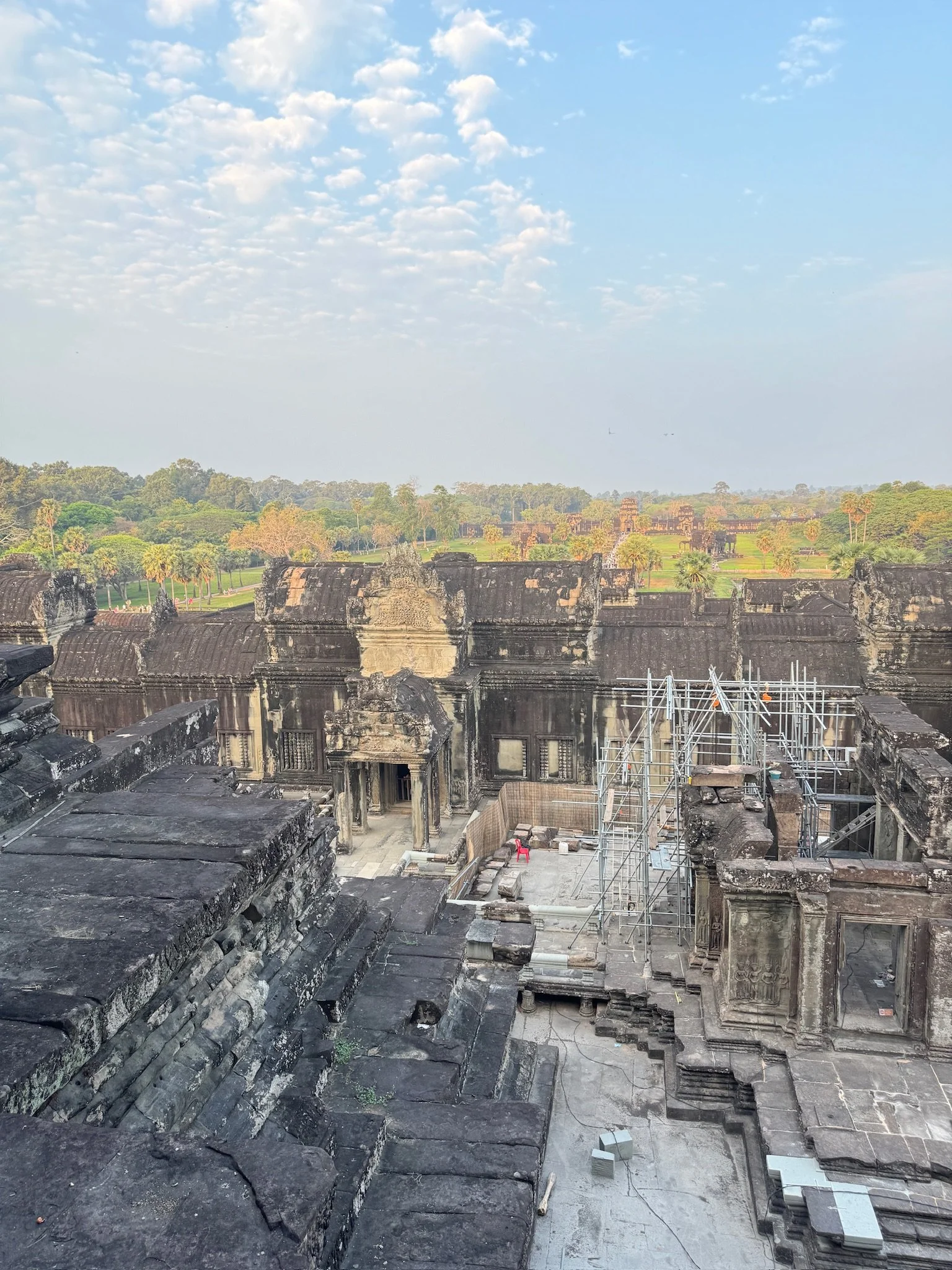
Angkor Wat at sunrise defeats language a little. The sky went from black to bruised purple to a breathtaking pink, and the silhouette of the temple emerged from the darkness like something being slowly remembered. I sat on the sidewalk with several hundred other people—all of us quiet in a way that felt involuntary—and thought: this is why you leave home. Not for the Instagram photograph, though the photograph is extraordinary. For the feeling of standing inside something so much older and larger than your own life that your particular problems become, briefly and usefully, very small.
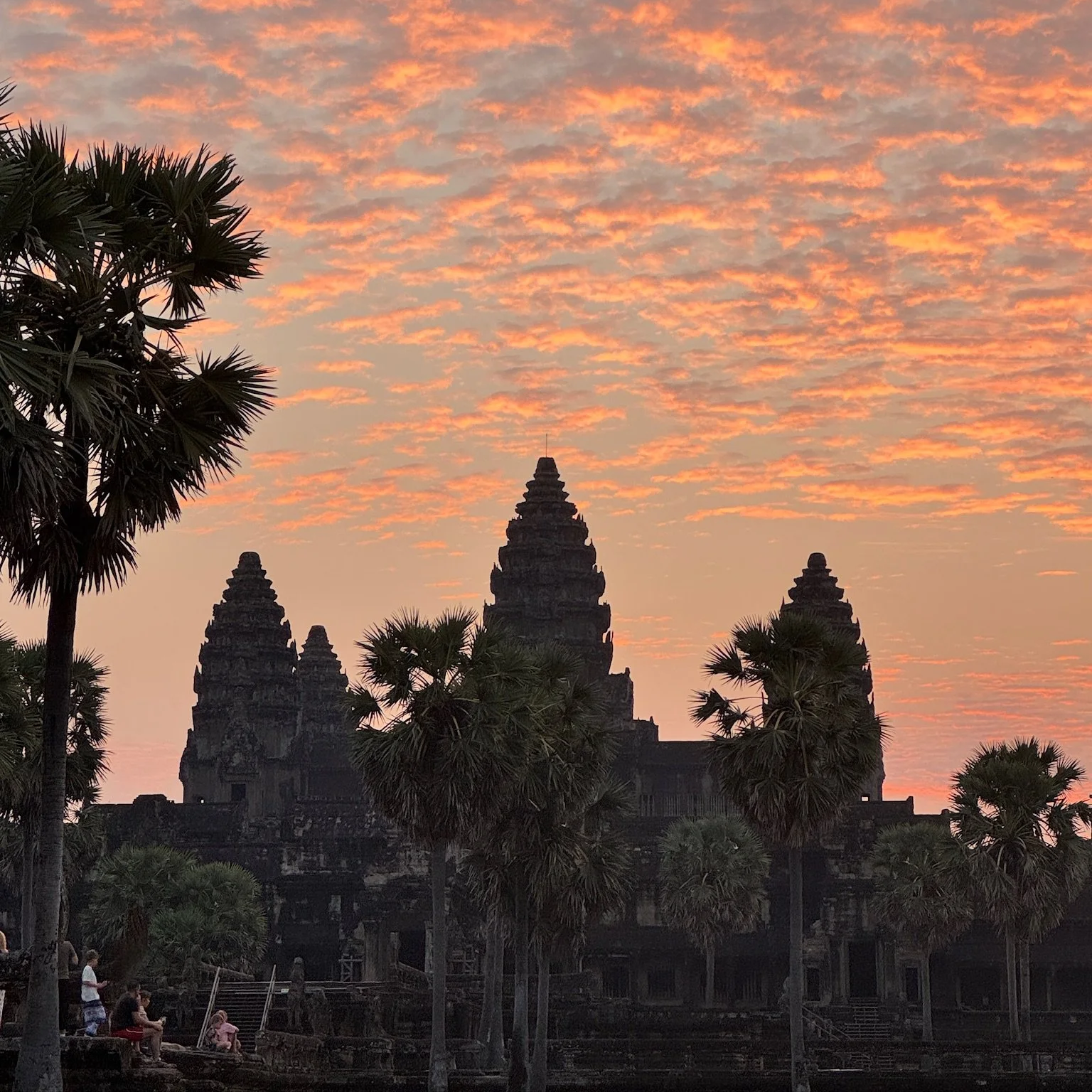
After a long while sitting there, I decided it was time to go inside. As I got up, one of the British girls beside me said, “Wouldn’t you just die if someone brought you coffee right now?” I laughed. I would see them again frequently in the temple; they always offered to take my picture, and I just thought, when you are with other women, you are never really alone.
I tried to tell anyone I spoke to what the experience of Siem Reap was like, how life-affirming it was, but you just have to experience it yourself.
Siem Reap was my fourth stop on two weeks through Southeast Asia, after Ho Chi Minh City, Hoi An, and Ha Long Bay. By the time I arrived in Cambodia, I had found my travel rhythm. I knew how to be somewhere new, and I had let go of everything back at home.
1. Getting There and Getting Around
I flew into Siem Reap International Airport, which is straightforward. The city itself is small and easy to navigate, and it exists almost entirely in service of Angkor—the restaurants, the hotels, the night markets, the entire economy here orients toward the temples.
Hire a private driver for the temple days. I cannot say this strongly enough. The air-conditioned Lexus was a treat, and it cost roughly $50 a day. For that, I got someone who knew which temples to hit first before the crowds arrived, which back entrances existed, and where to find shade and cold water between sites.
What I didn’t expect was that his 8-year-old son was off from school and with him. With the English he was learning and my hand motions, we went through each temple, my tour guide showing me the temples through the eyes of a child who grew up with this playground. We walked in places others didn’t, peeked into places he knew existed, and genuinely enjoyed each other’s company.
The next day, with just his dad, I disappeared into ruins for two hours at a stretch, but my mind kept thinking about this adventure and what it had been like the day before. I asked to go to places not on our normal tour, as I didn’t want as much downtime as others might want, and the flexibility of a driver with a car just made it really easy to see what I wanted, when I wanted.
2. The Temple Loops: What to Actually See
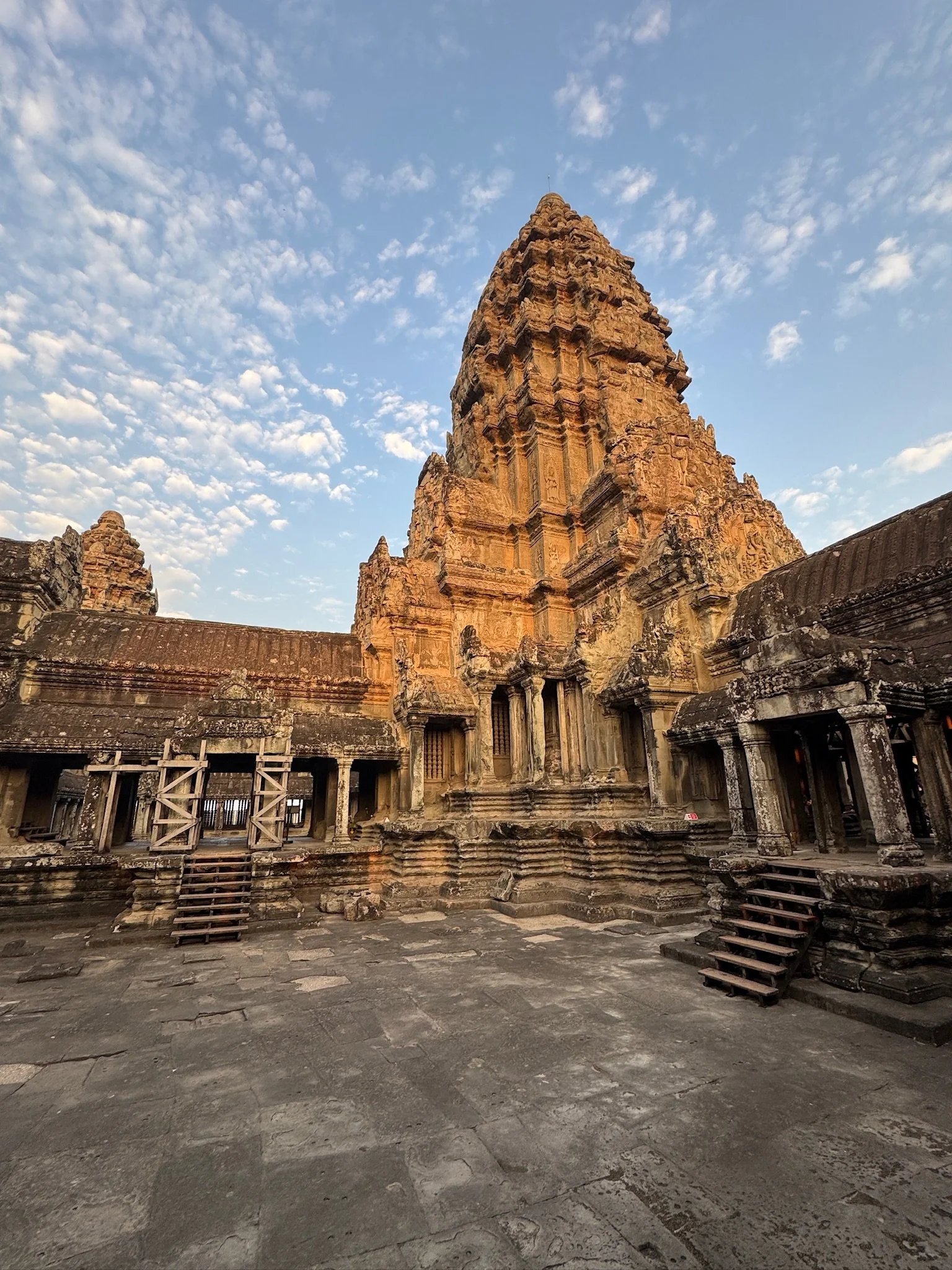
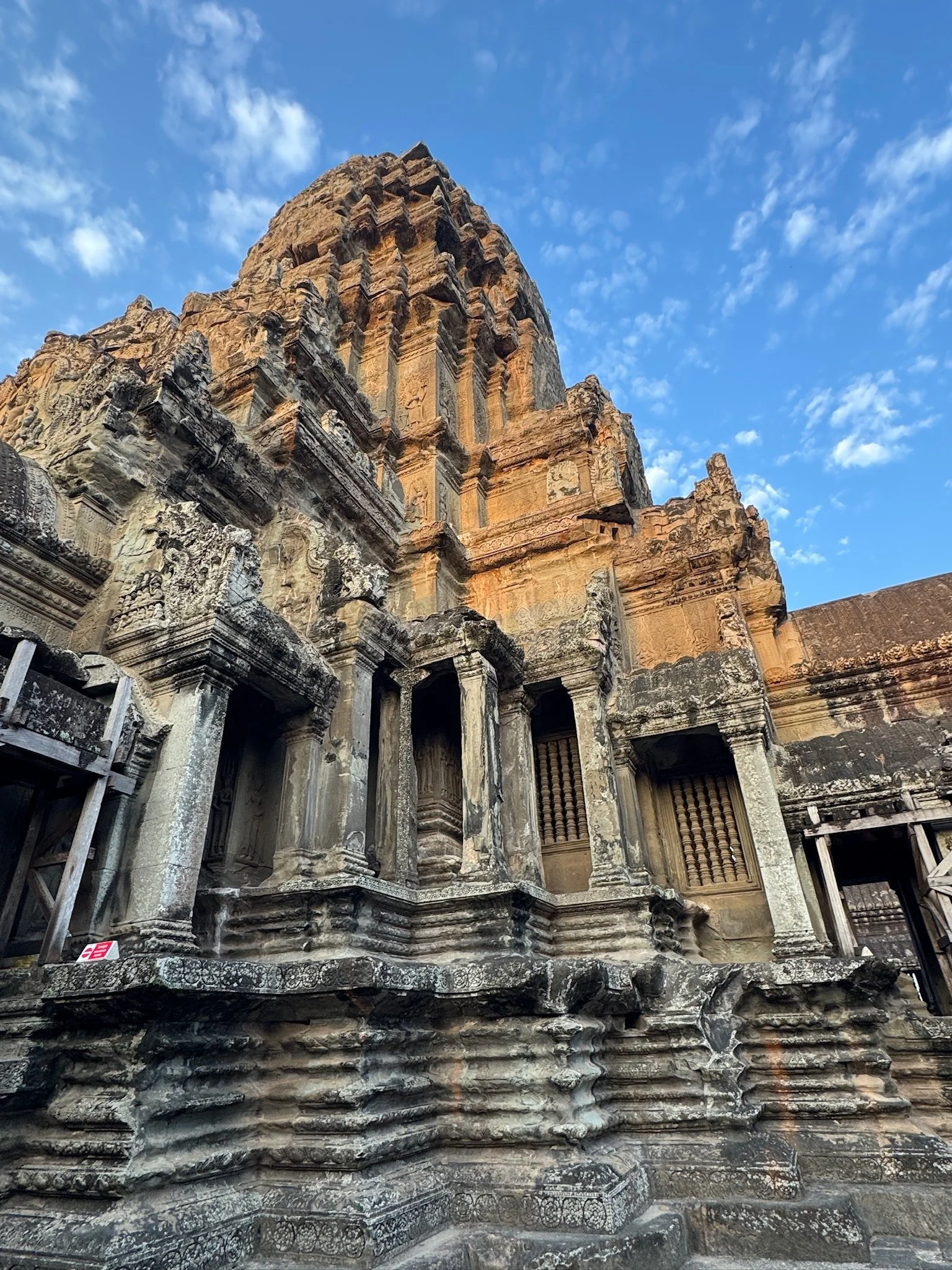
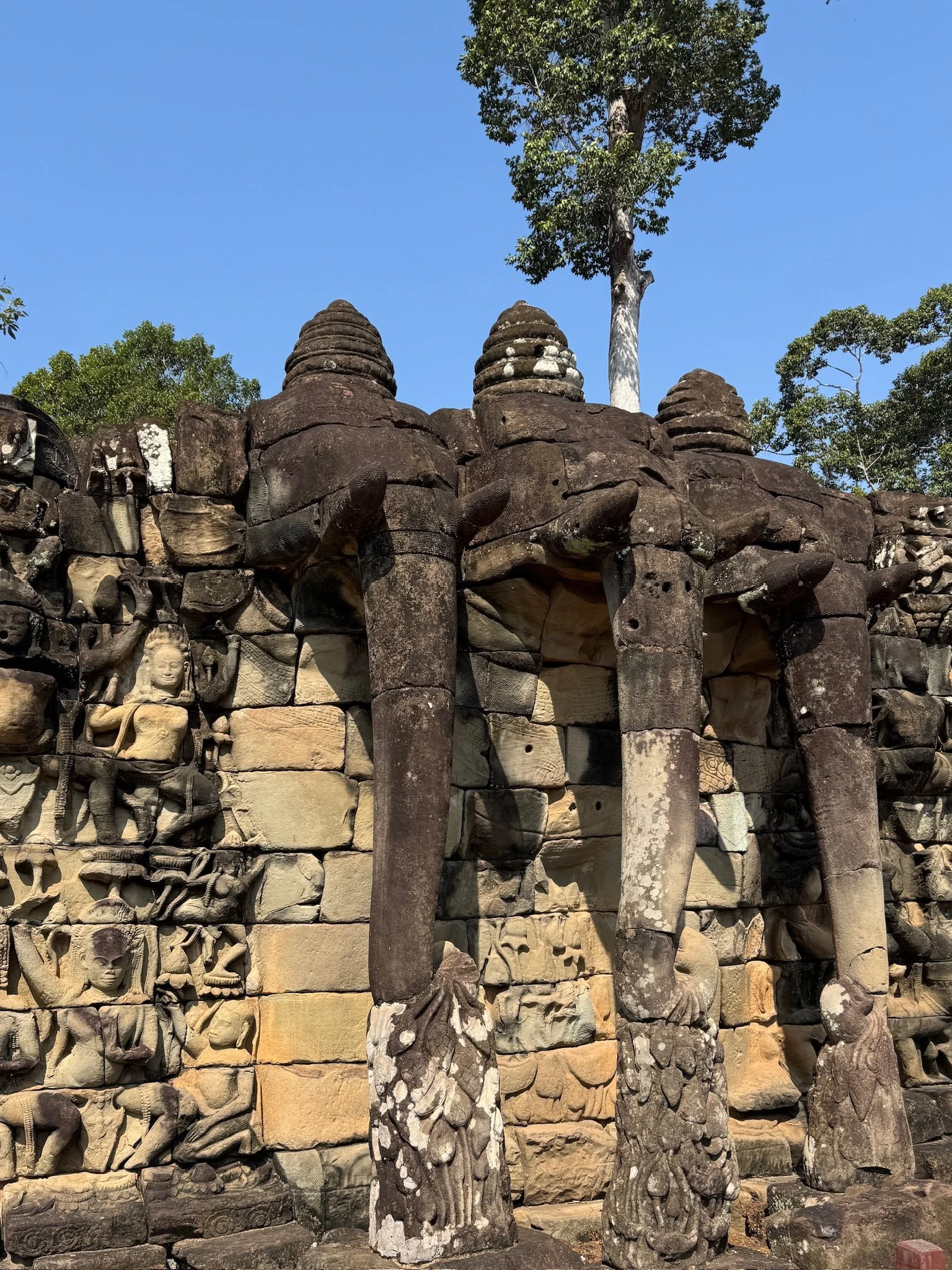
The Angkor Archaeological Park is organized loosely into what guides call the small loop and the big loop—collections of temple complexes at varying distances from Angkor Wat itself. Do both. Give yourself two full days. The Angkor Pass covers all of it and is purchased at the gate.
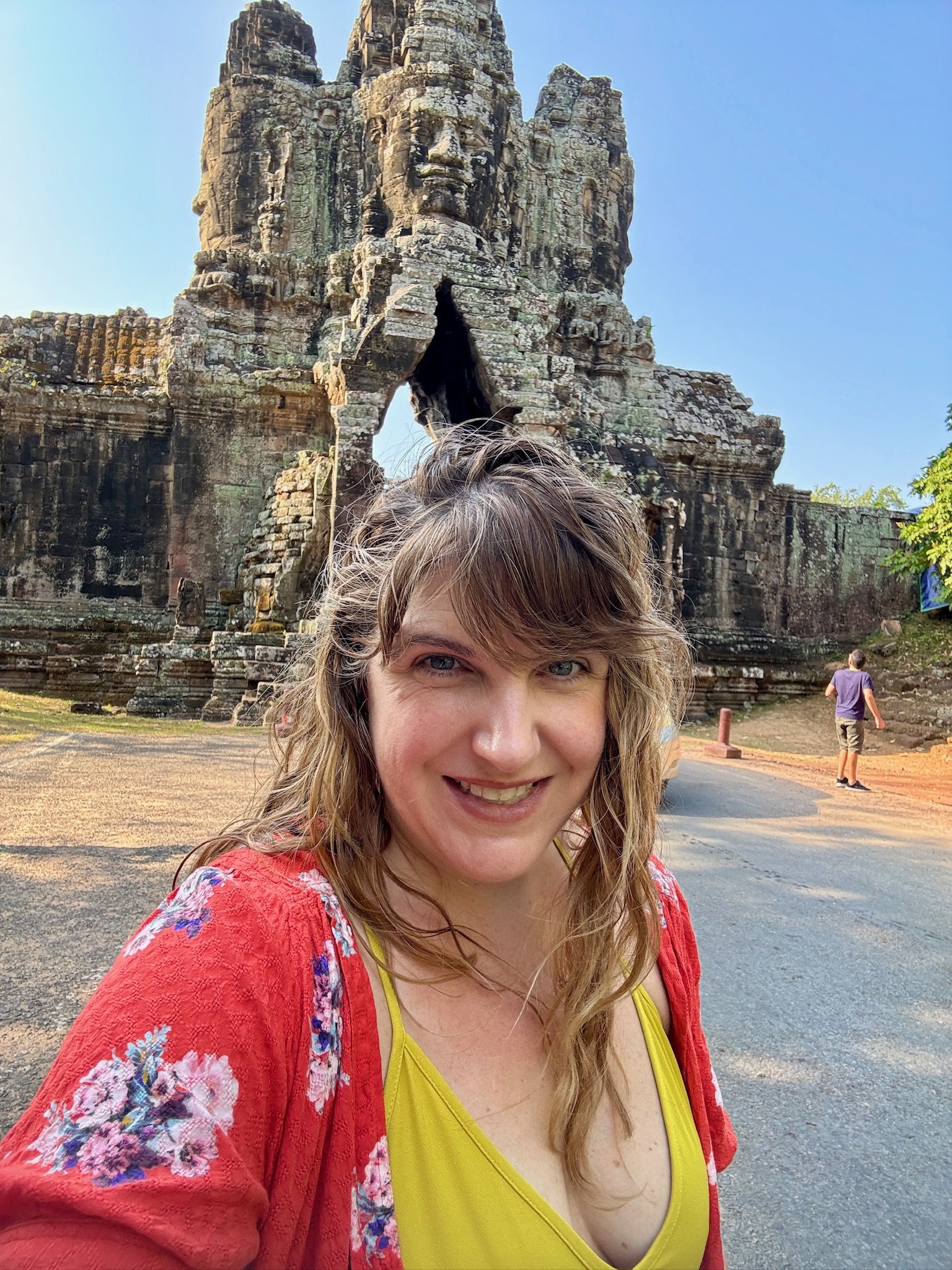
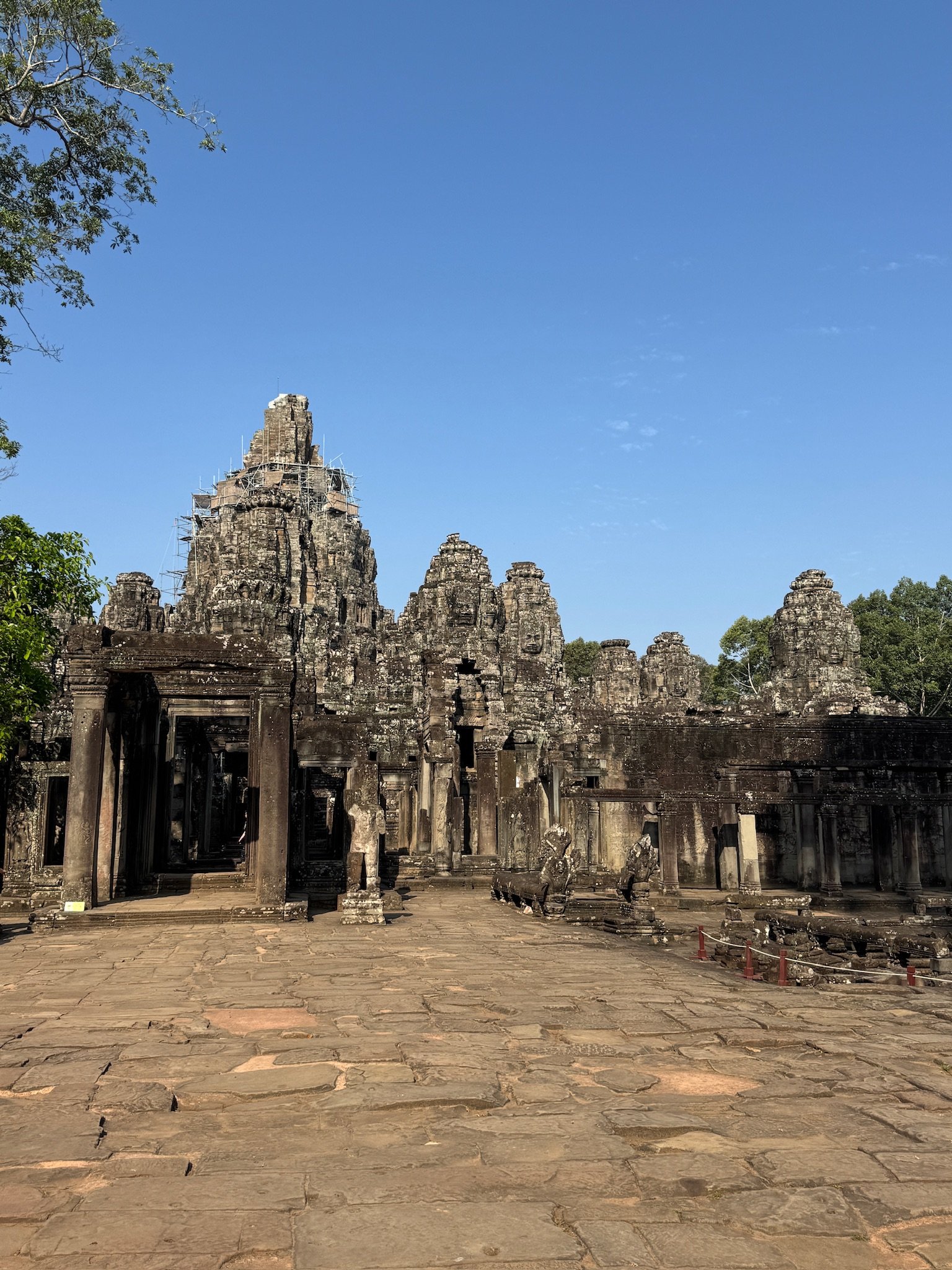
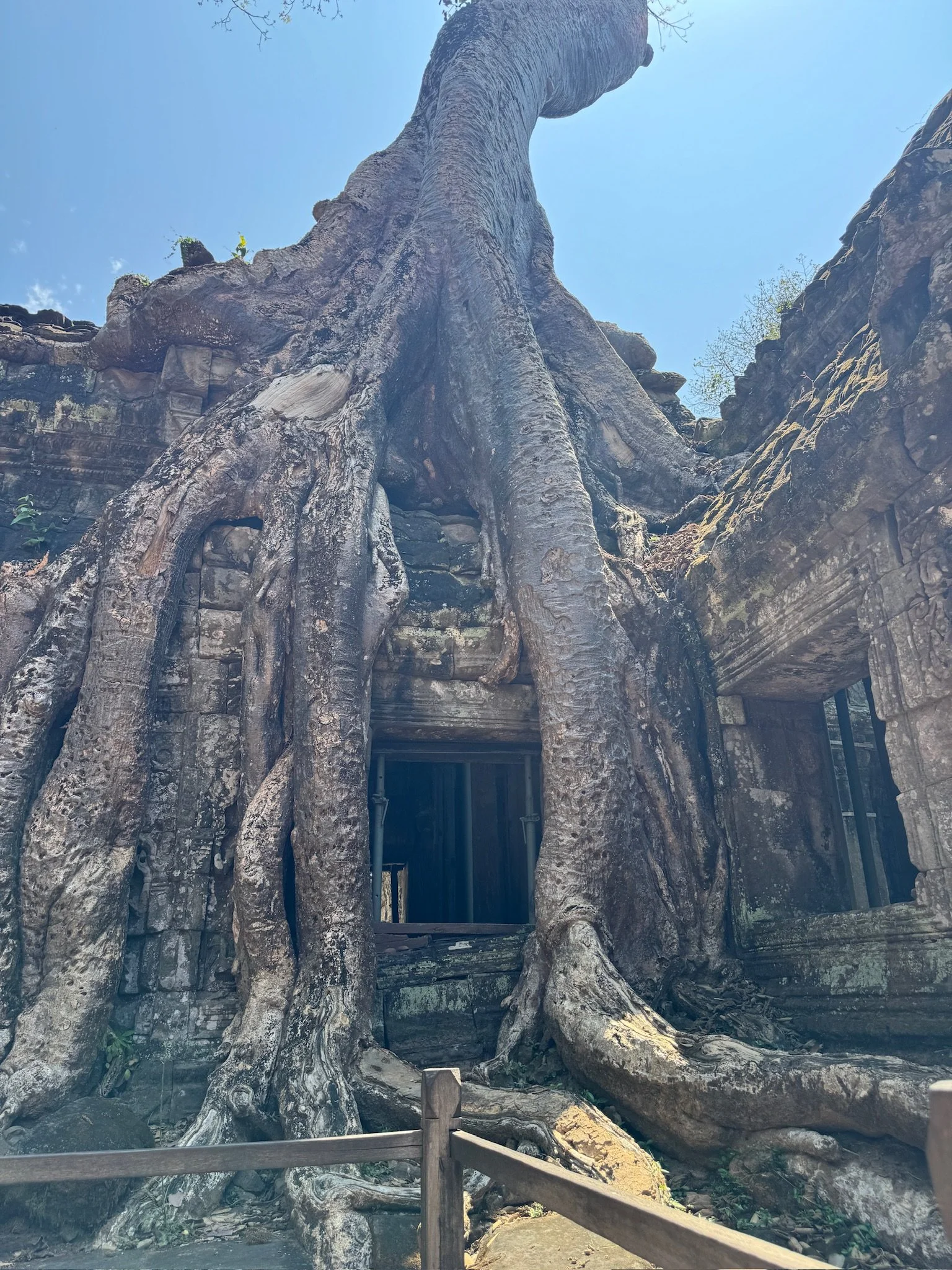
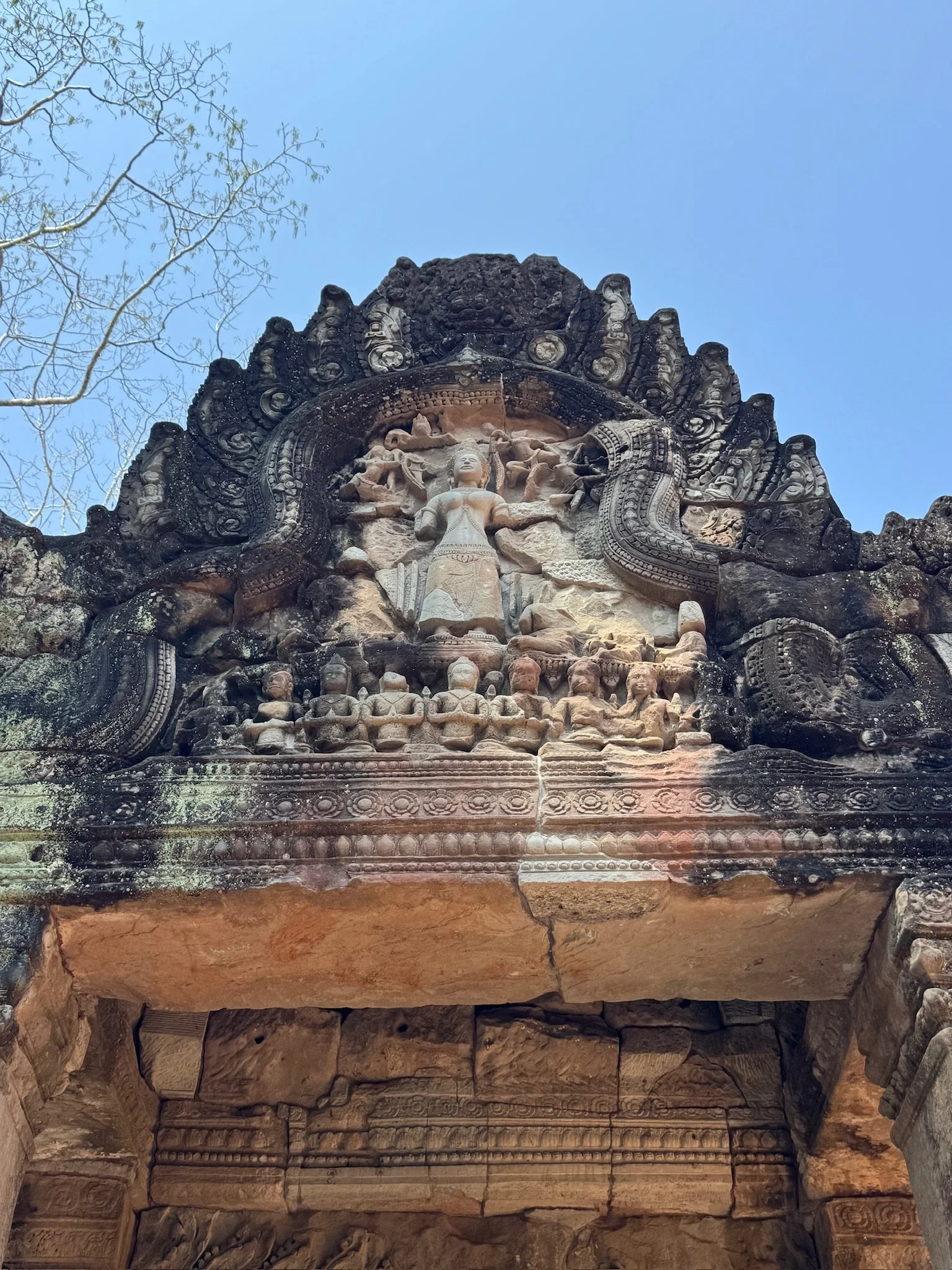
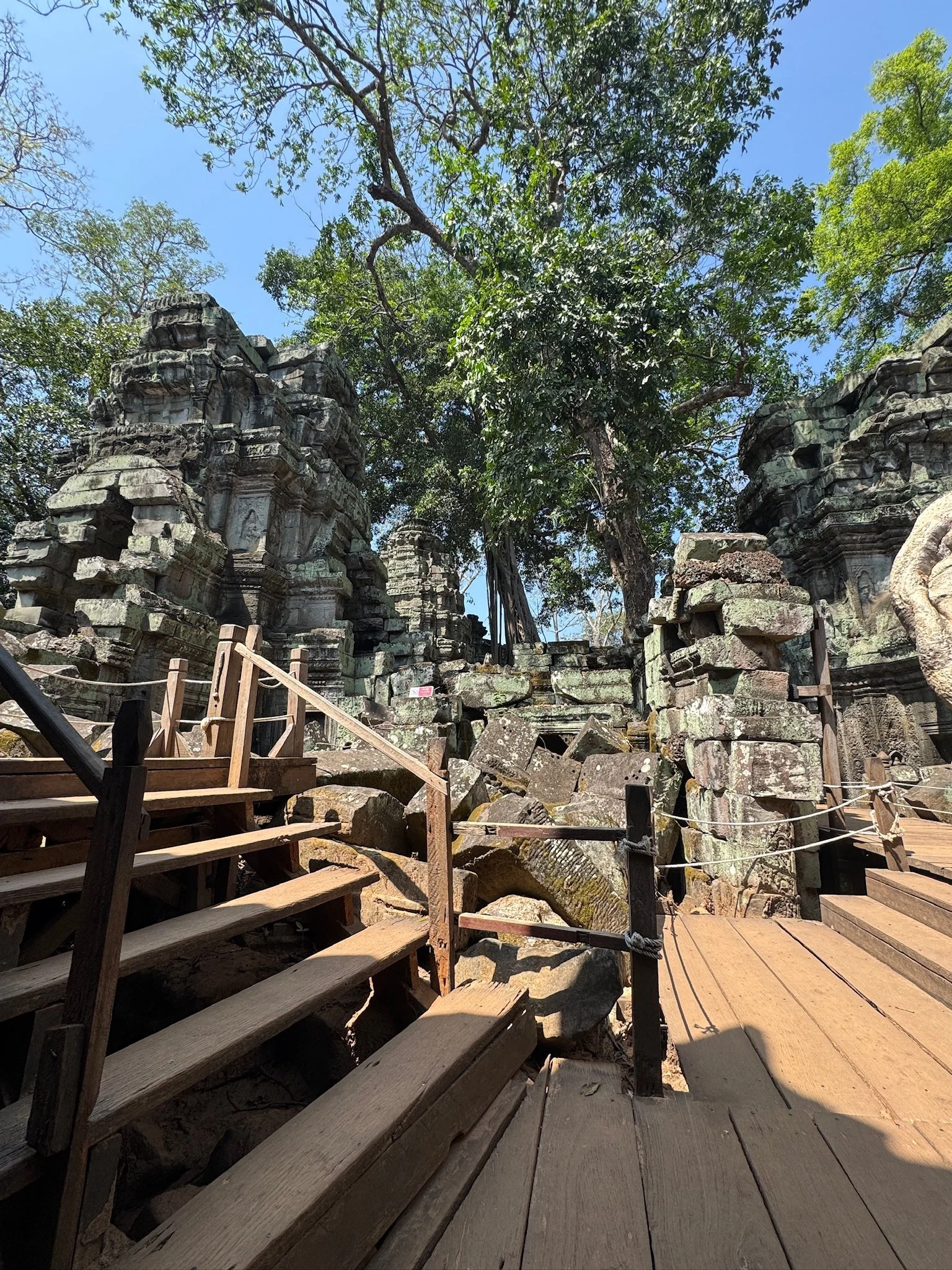
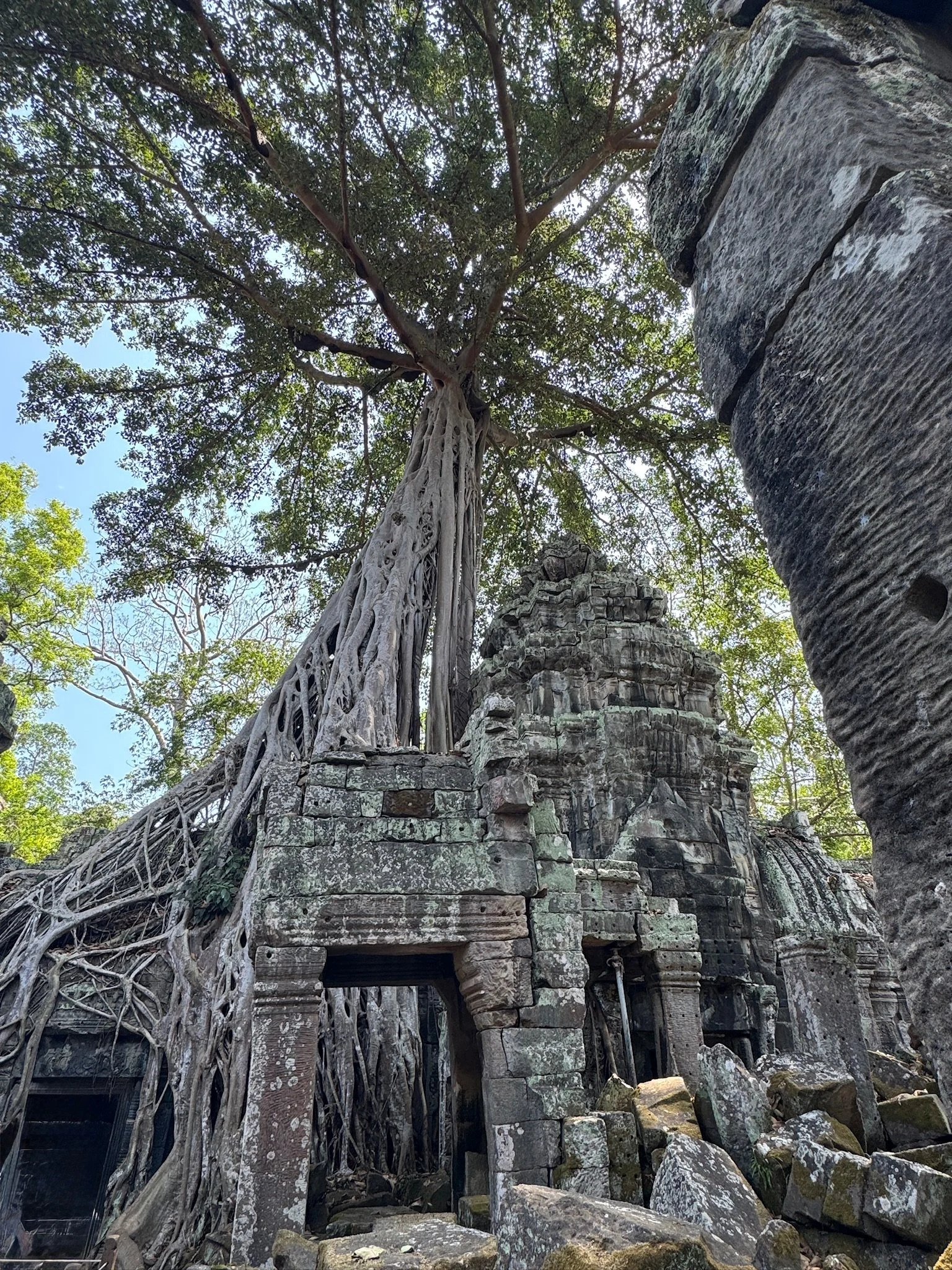
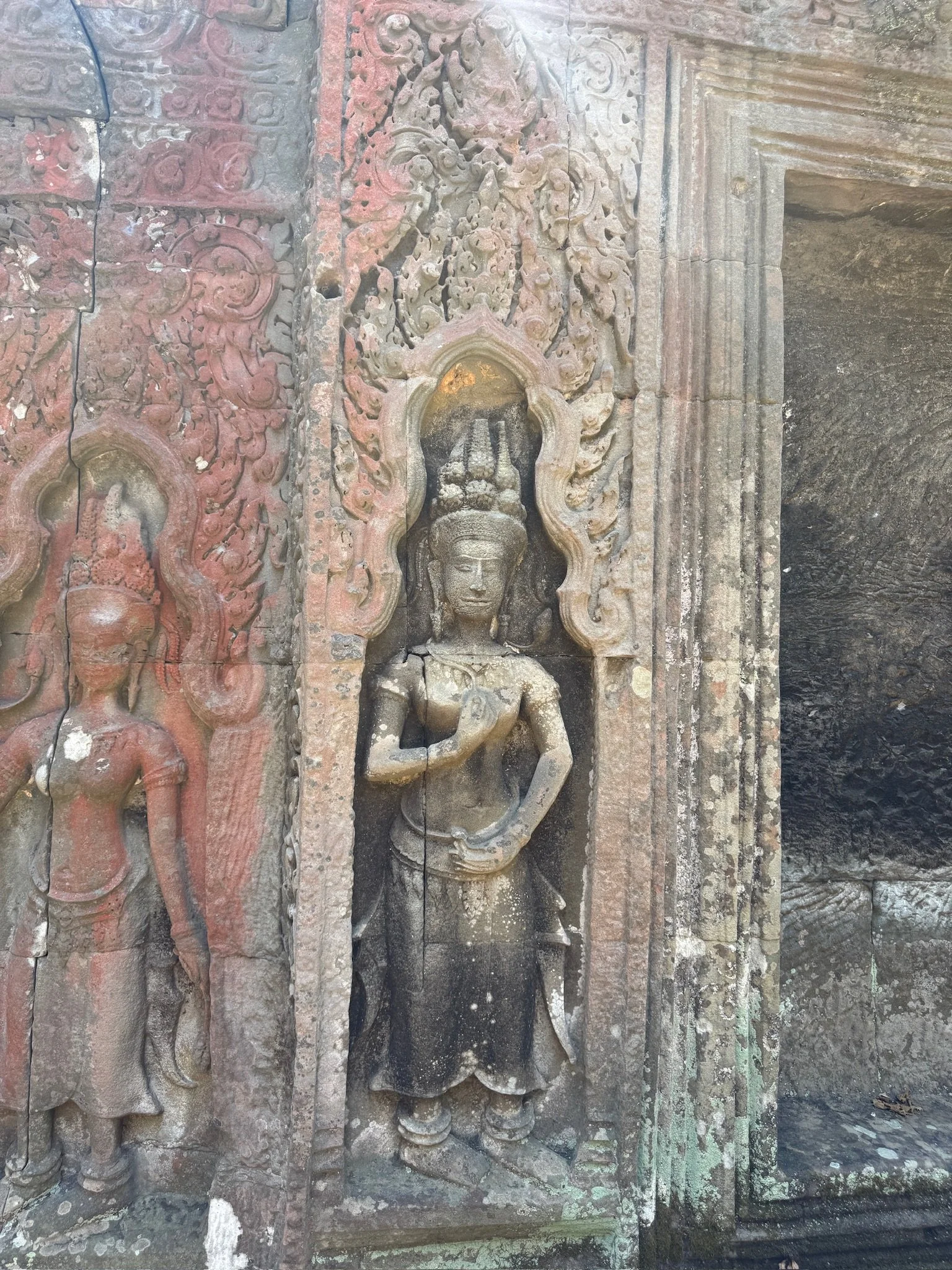
Angkor Wat is the anchor and deserves the sunrise visit and a full morning. Bayon, the temple of faces, is my personal second—216 carved stone faces gazing serenely in every direction, moss-covered and ancient, in a forest clearing that feels like a dream. Ta Prohm is where the jungle has grown through the walls and tree roots have pried apart stones that weighed tons; it is the most structurally dramatic of the temples and the most photogenic.
Banteay Srei, farther out on the big loop, is carved from rose-colored sandstone so intricately that it looks like embroidery in stone—smaller than the others and worth every kilometer of the drive.
The temples are cooler, quieter, and lit differently in the morning. By 10 a.m., the heat arrives. I didn’t find anything particularly crowded while I was there, but early mornings and late afternoons were always quieter.
3. Where to Stay and What to Eat
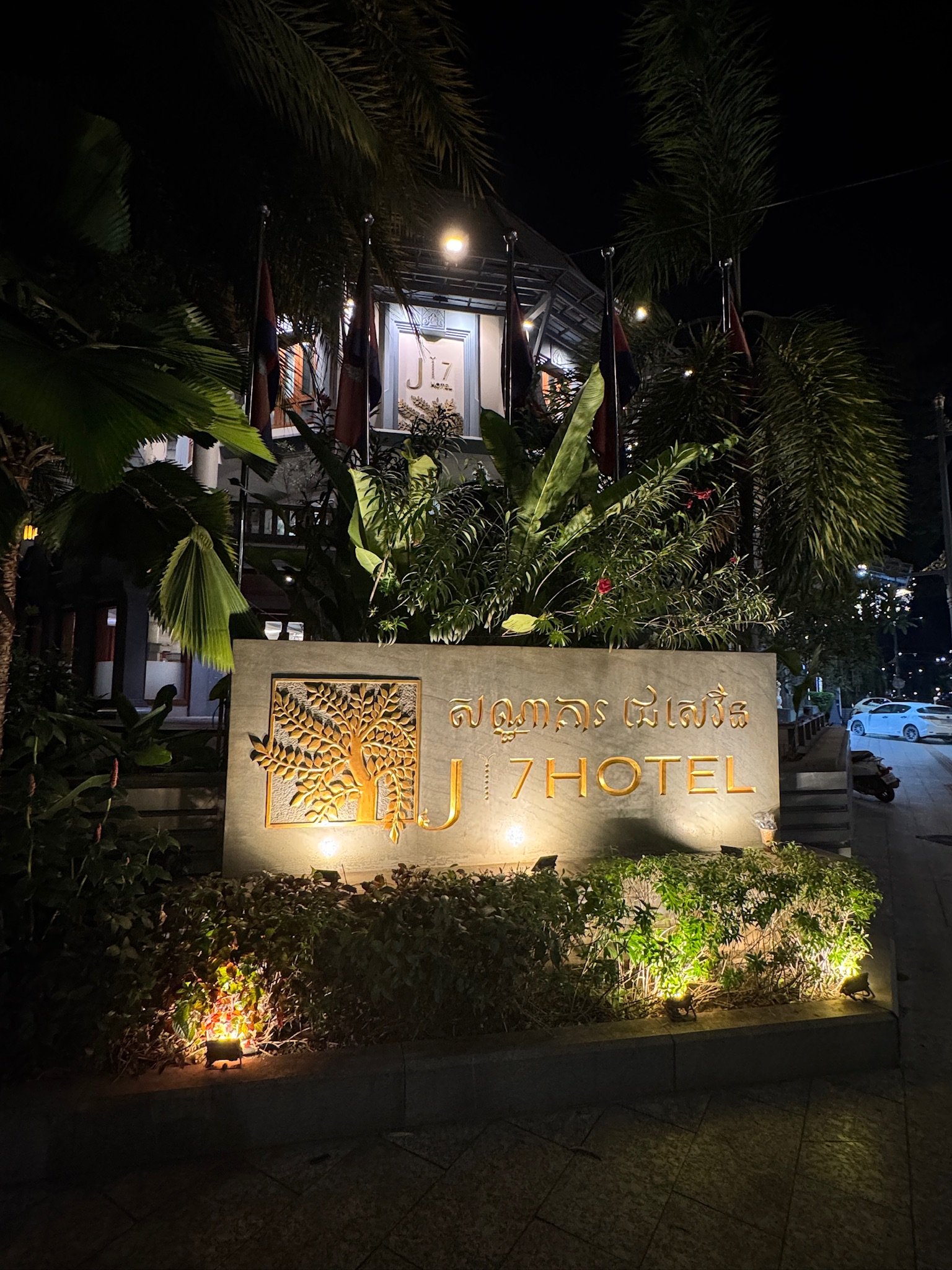
I stayed at J7 Hotel, which is beautiful, calm, and exactly right for this trip. The pool matters after a day of walking through temple complexes in the Cambodian heat. I had a private pool, which was amazing and filled for me whenever I wanted it. The staff are genuinely helpful and nice.
I got a massage at the hotel after a long day of temples, which felt amazing, and walked into town to get my nails done. Nail salons in Cambodia were very good and very affordable.
I had a great dinner at Romiet and enjoyed live music nearby, but there are lots of good spots. The city is walkable in the evenings and genuinely pleasant—Pub Street is rowdy and fun if you want it and easy to avoid if you don't. I found the food there to be quite touristy, so I would eat somewhere else.
There is also a night market, and I love a good night market!