
The One Notebook Meets Morning Pages
For years, I’ve read about journaling, had therapists recommend it, and heard friends sing its praises, but I just never did it. Honestly, I was skeptical. What makes writing your thoughts in a notebook so special? Stress reduction, gratitude, blah, blah, blah. I get it, it’s all great, and goodness knows I could use the mental health benefits, but it also feels like another thing to do and stress over.
Just after Christmas, I was scrolling through Instagram and saw a post from a creative friend showing a stack of filled journals. She mentioned morning pages and how grateful she was for them. I’d heard the term before, so I decided to dig in: what exactly are morning pages, and what do you have to do?
Morning Pages were created by Julia Cameron in her 1992 book The Artist’s Way. They’re deceptively simple and there’s no wrong way to do them. The idea is to clear the mental clutter so you can start your day with a fresh slate. This isn’t a gratitude journal, a memory journal, or a junk journal. It’s simply a way to process your thoughts and declutter your mind.
Here’s how it works: grab a notebook (I chose a ruled Leuchtturm A5 hardback, but anything works) and a pen you like – ahem, Penny Post – then first thing every morning (or within 45 minutes if the coffee maker needs to do its magic) write three pages of whatever comes to mind. Stream of consciousness only. Don’t worry about spelling, grammar, punctuation, or messy handwriting. If you get stuck, just write nonsense until the words flow again.
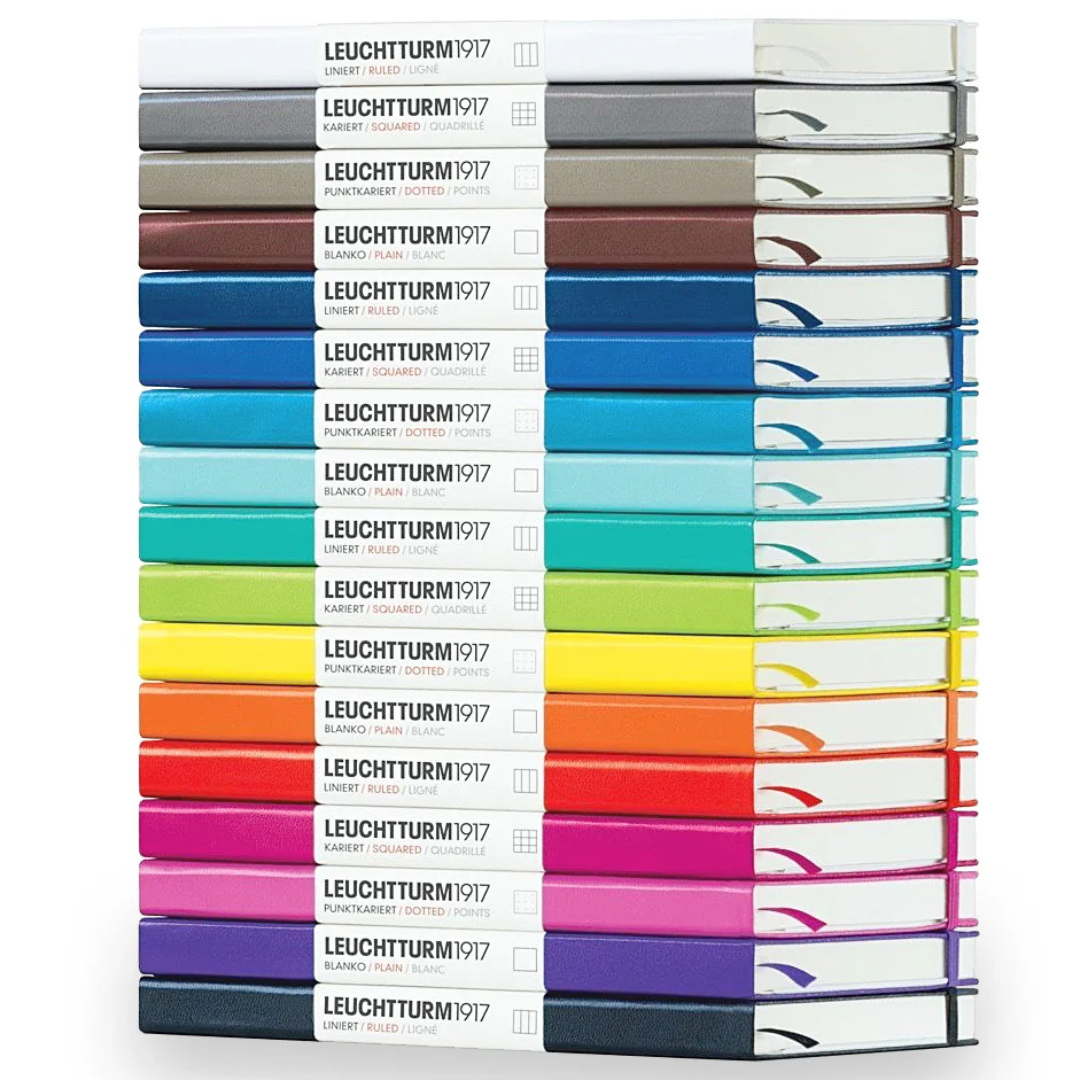
I love that it’s only three pages. It gives me a clear boundary and permission to stop if I run out of steam. Of course, you can go longer if you need to, but three pages feel perfectly manageable. Depending on your notebook, that can be a lot or a little. You get to choose.
The other beautiful thing? You don’t go back and read it. Honestly, I couldn’t if I tried—my handwriting is messy, and I write fast. I love that this notebook serves as a kind of trash receptacle for all the worrying thoughts that weigh me down.
I’m six days in, and I already like it. Six days doesn’t make me an expert, but if you’re looking for a simple way to jumpstart your day and clear out mental clutter, it’s worth a try. I’ll report back next year to let you know how it went. 😉
PS: Grab one of our favorite analog habit trackers to help you stick with it. “They” say it takes 30 days to form a habit. Big or small, these little trackers help keep you honest—and accountable.
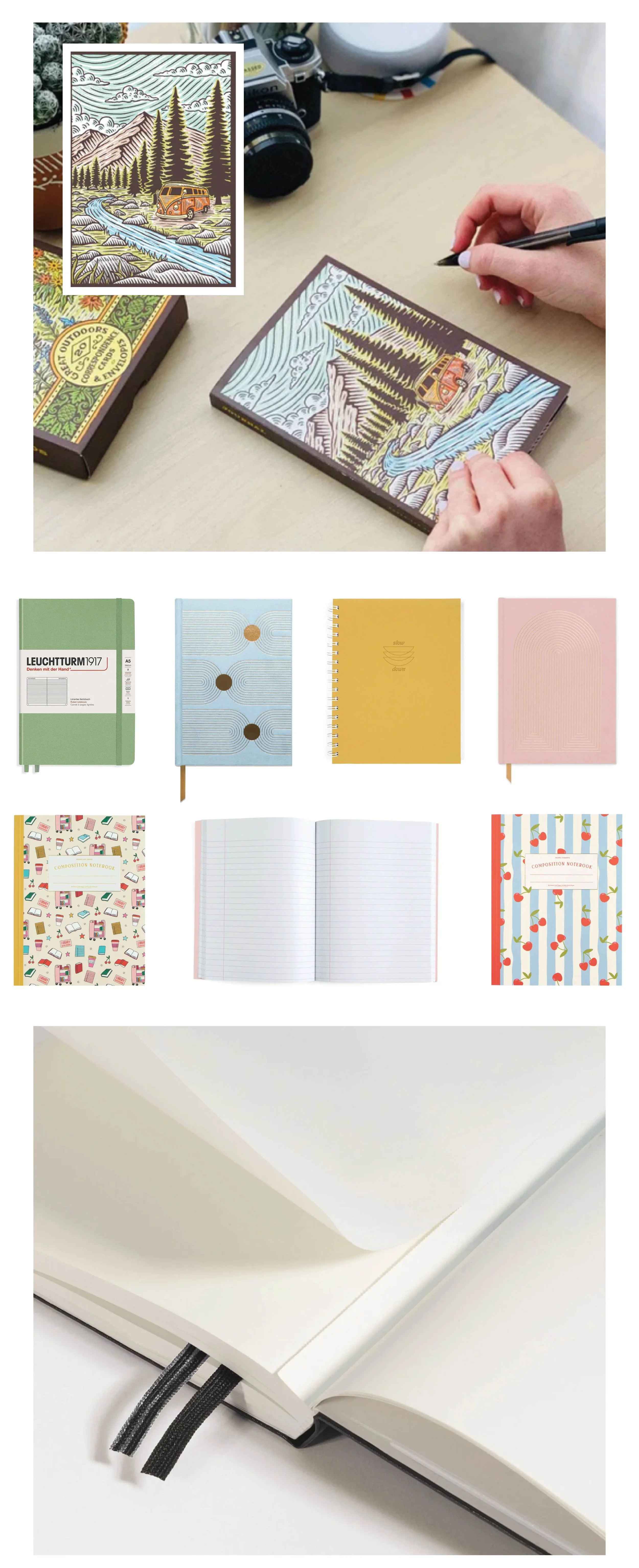
Red Barn Mercantile: Great Outdoors Journal, $10.95; Penny Post: Leuchtturm1917 A5 Ruled Hardcover Notebook, $26; Blue Arch Dot Suede Journal, $25; Slow Down Guided Journal, $36; Pink Radiant Rainbow Journal, $25; Pippin Toy Co.: Library Books Composition Book, $11.50; Cherry Striped Composition Book, $11.50.