Wake Me Up Before You Go-Go: The Surprisingly Scandalous History of the Espresso Martini
Let’s talk about the drink that has absolutely refused to leave the party.
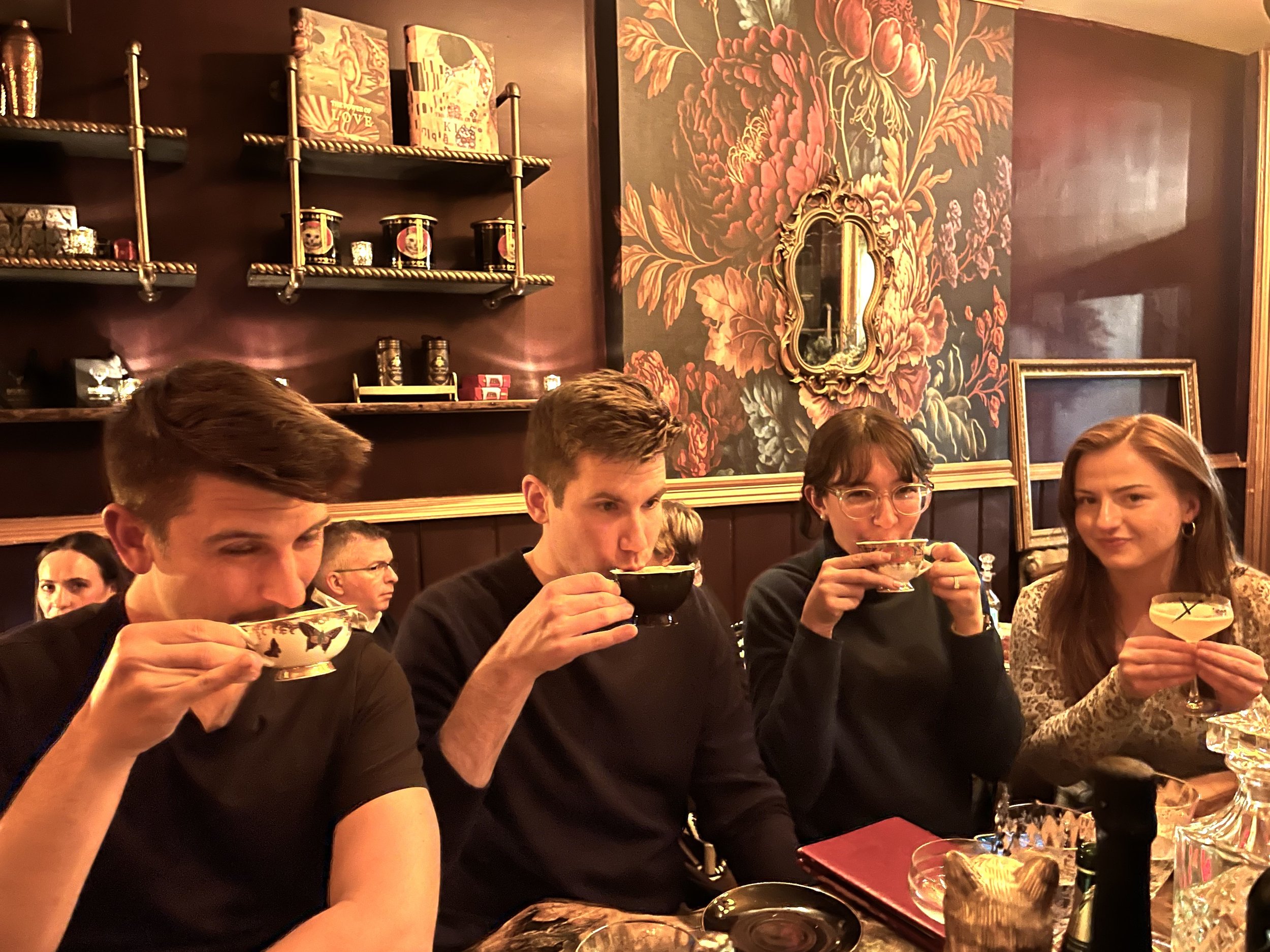
The espresso martini is everywhere right now—on every menu, in every Instagram reel, in the hand of every woman who has somewhere to be later but also absolutely does not want to leave yet. And at The Parlour, we have our own version that I’d put up against anyone’s: shaken hard, served in a little English teacup, crowned with a dusting of gold flake. It’s the kind of drink that makes you feel like you’re the main character. Because, darling, you are.
But before we get to ours, let’s get into theirs—because this cocktail has a backstory juicy enough to make you stay for another round.
A Model, a Bartender, and an Extremely Good Request
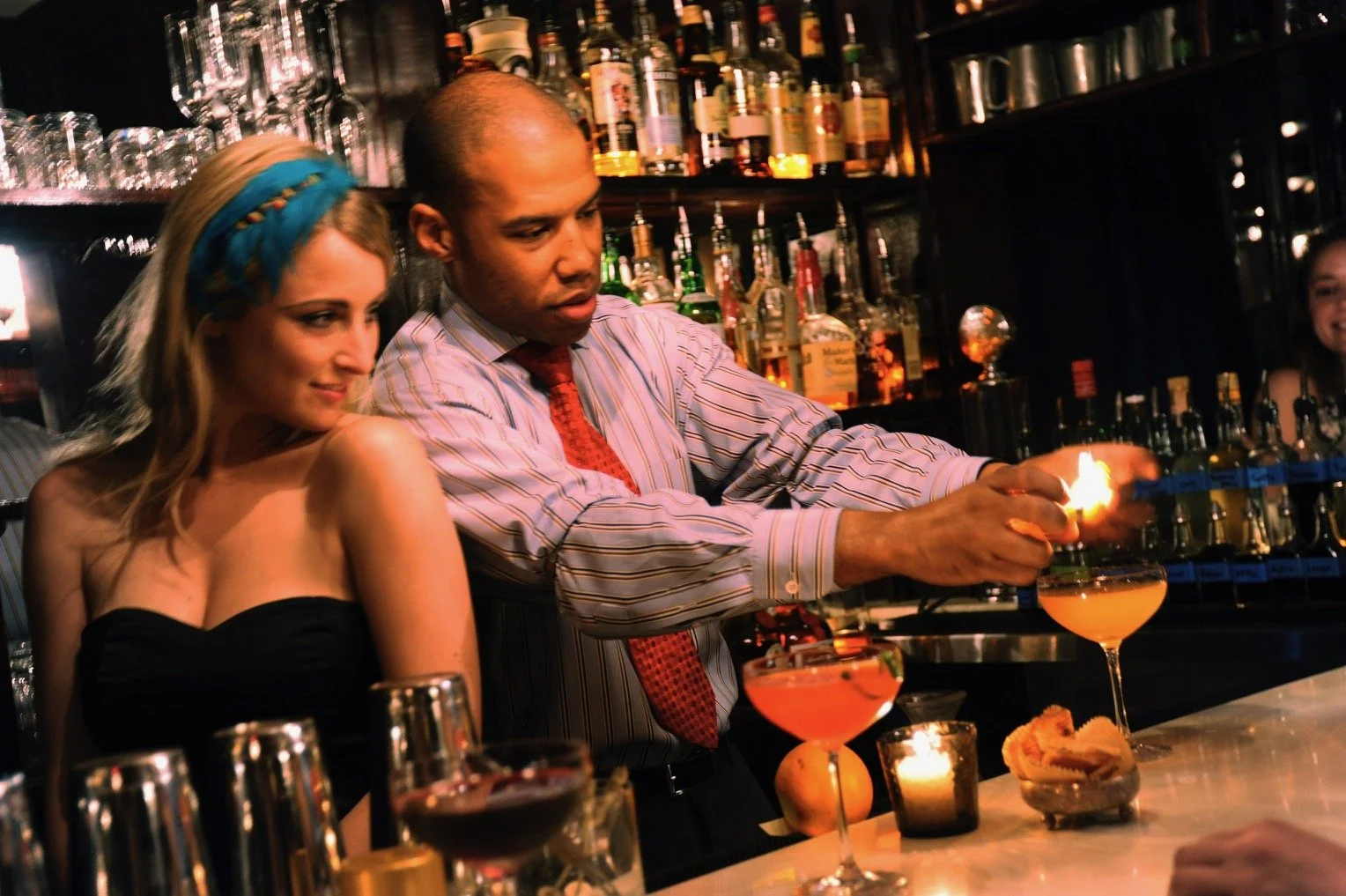
It was the mid-1980s in London’s Soho, and a young woman—rumored to be a top model—walked up to bartender Dick Bradsell and asked for something to “wake me up and f*** me up.” I mean. Say less, sis.
Bradsell was tending bar at the Soho Brasserie on Old Compton Street—the kind of place where, as his daughter Bea later recalled, the David Bowie film Absolute Beginners was being shot nearby, and everyone who was anyone was flooding the neighborhood. The bar had just gotten a shiny new Illy coffee machine, and it happened to be sitting right next to Bradsell’s cocktail station. The rest is history—and possibly the best accidental proximity in the history of drinking.
He pulled a fresh shot of espresso, shook it with vodka and coffee liqueur, and handed her something that would become one of the most recognizable cocktails of the last forty years.
Who was the mystery model? Bradsell never told. He only called her a “top model.” Later guesses that it was Naomi Campbell or Kate Moss were quickly debunked—they were far too young at the time. So the legend remains deliciously unsolved, which honestly makes the drink even better.
It Had a Whole Identity Journey (Relatable)
Here’s something most people don’t know: it wasn’t always called the espresso martini. The original name was simply the Vodka Espresso, and it only became the Espresso Martini in the 1990s—thanks to the “everything-is-a-tini” craze that swept London cocktail culture. At one point, Bradsell even renamed it the Pharmaceutical Stimulant when he was doing the drink program at Damien Hirst’s notorious Notting Hill bar, Pharmacy. Which, honestly, is the most 1998 sentence I’ve ever typed.
The drink was always meant to evolve. Bradsell himself loved making twists with different spirits—tequila, rum—and never treated his creation as sacred. Good thing, because now we’ve got chocolate espresso martinis, vanilla espresso martinis, cannoli cold foam espresso martinis on TikTok…the man started something.
The Three Beans Are Not a Decoration. They’re a Wish.
This is the part I love most. Those three coffee beans floating on top of the foam? They symbolize health, wealth, and happiness—borrowed from the Italian tradition of serving Sambuca con la mosca (“with the fly”), where three beans are placed atop the drink as a toast to these three blessings.
The origin of the beans as a social ritual goes back even further—to Italian café culture in the mid-20th century, connected to the glamour of Federico Fellini’s La Dolce Vita and the café society of Rome’s Via Veneto. The number three is intentional, too: in Italian folk belief, odd numbers are considered auspicious and protective, and three is regarded as the perfect number—il numero perfetto—signifying balance and a beginning, middle, and end.
So when your bartender carefully places those three beans on your drink, they’re not just being precious. They’re making a wish for you. I think that’s worth knowing.
(Also: if someone serves you an espresso martini with an even number of beans, that is considered a social slight in the Italian tradition—and possibly a curse. You’ve been warned.)
Come Have Ours
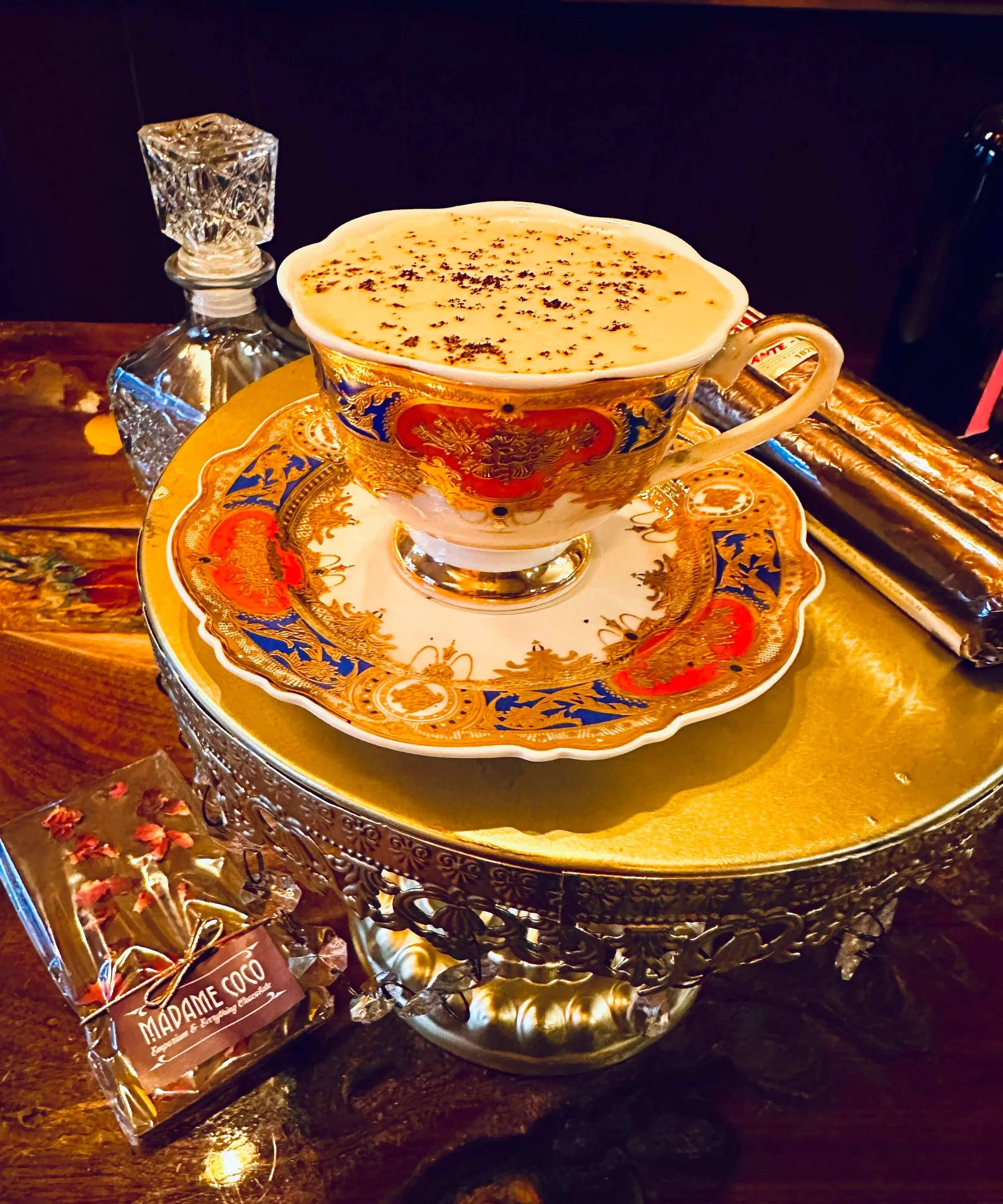
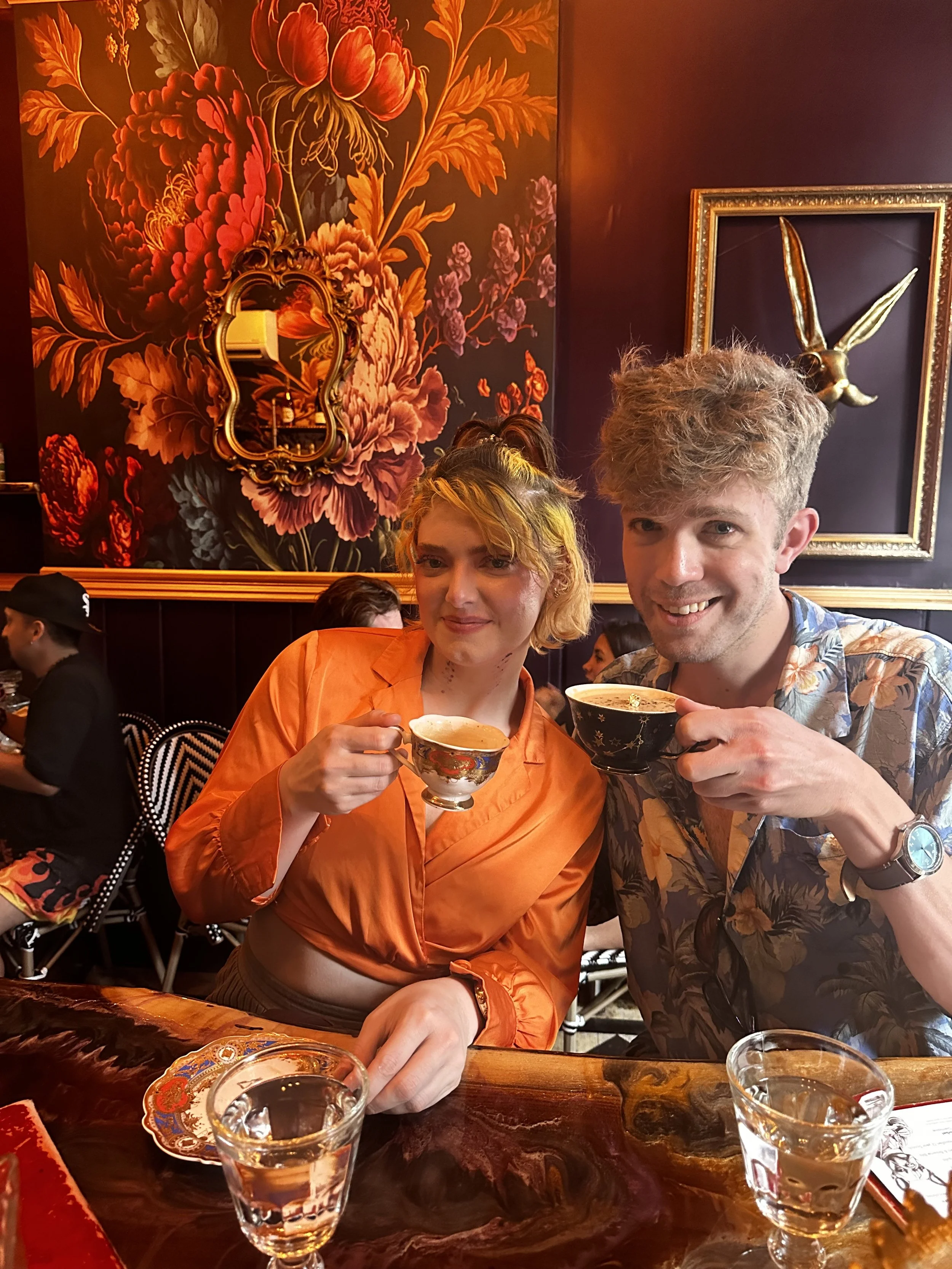
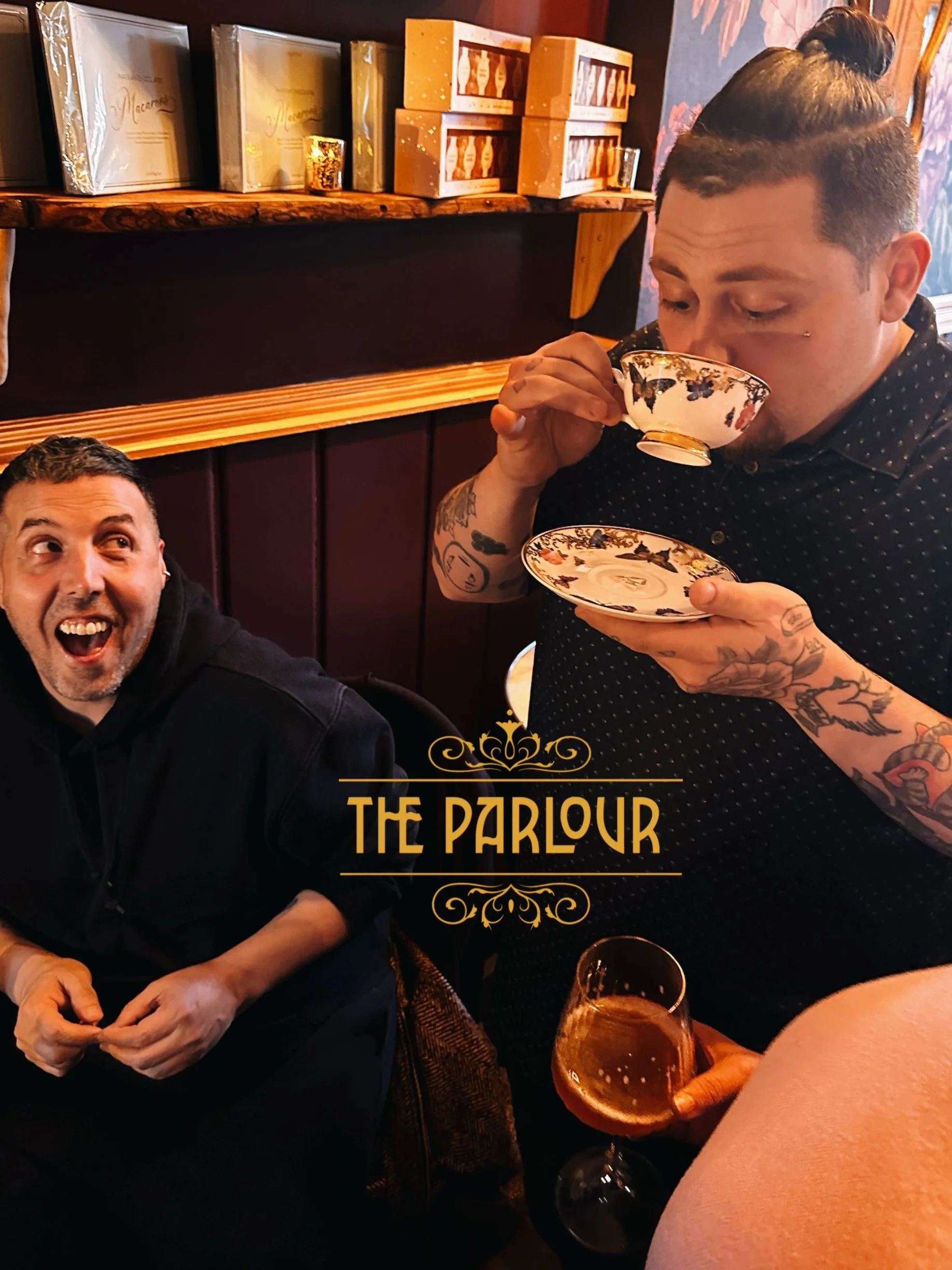
At The Parlour, we make ours the way it deserves to be made: fresh espresso, shaken until the foam is thick and velvety, poured into a vintage English teacup, and finished with gold flake. (There’s a spin in the cup, too, but you’ll have to find it out yourself.) It’s a little bit Old World, a little bit extra, and completely on purpose. Health, wealth, and happiness.
Come find us at The Parlour in Old Town Alexandria, 115 South Royal. First round’s waiting.