
Are You On Board The Rosé Revolution?
Rosé has come a long way in the past thirty years. I remember the days working in the wine industry, long before I had my own wine shop, when consumers would give me the stink eye if I asked them to taste a new rosé at the tasting table. It made people think I didn't know anything about wine — why would I be featuring a White Zinfandel at a boutique neighborhood shop like the one they'd just walked into?
Fast forward to today and many people still think rosé is sweet. Some can be, but the vast majority of rosés on the market are made in a dry style.
So how did we get to the point where American consumers assumed all rosés were sweet?
The White Zinfandel Effect
Let's start at the beginning — with the story of Sutter Home's White Zinfandel and how pink wine was introduced to this country.
In the early 1970s, Sutter Home was known for making premium red Zinfandel, which had become recognized as the California red varietal. Then in 1975, while producing their usual red Zin, the winemaker experienced what's known in the business as a stuck fermentation — when yeast dies out during fermentation and fails to convert all the sugar in the grapes into alcohol, leaving behind a wine that is sweet and low in alcohol.
Not knowing whether to bottle it or dump it, the winemaker set it aside. Weeks later it was tasted, bottled, and put on the market to see what would happen. The result was extraordinary: this "White" Zinfandel flew off the shelves, outselling the red Zinfandel by a 6-to-1 ratio. It remains extremely popular in America today and is the primary reason consumers continue to equate pink wine with sweetness.
A French Renaissance
It took several decades for rosé to become an acceptable — even desirable — choice among U.S. wine drinkers, and a famous partnership in France played a major role in that shift.
In 2008, one of the world's most famous couples, Brad Pitt and Angelina Jolie, purchased a 1,000-acre estate in the south of France. In 2012, they partnered with Marc Perrin of the legendary Château Beaucastel to launch Miraval rosé. Its release triggered a rosé renaissance in the U.S., elevating the category from a cheap summer sipper to a year-round luxury wine. Its first vintage sold out in hours. Miraval's success helped make Provence the standard-bearer for fine rosé in America and sparked a surge in demand that has never really let up.
What Is Rosé, Exactly?
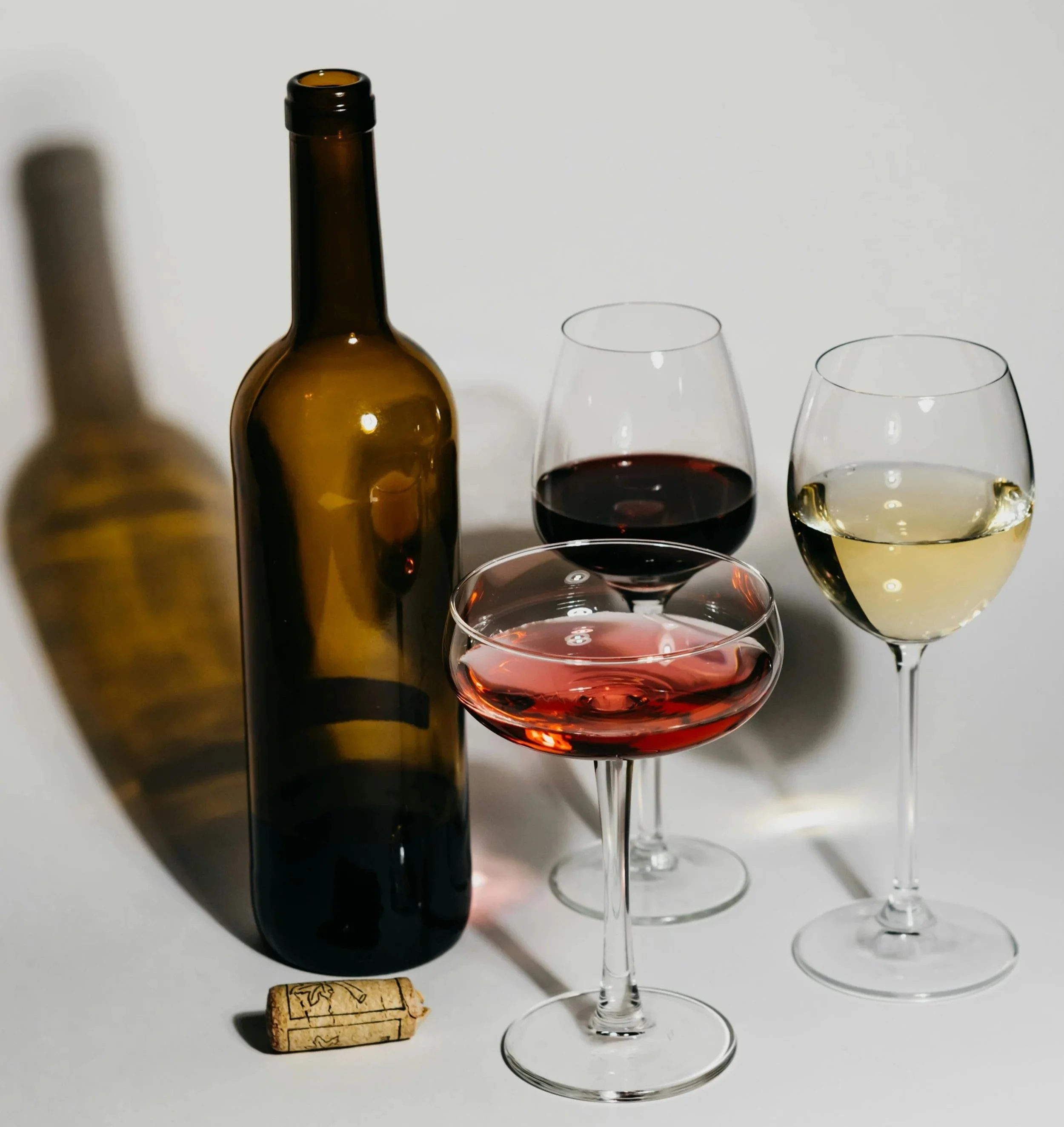
Today, rosé is a globally celebrated wine, loved for its refreshing character and beautiful range of pink hues. Think of it as the ultimate middle ground between red and white — easygoing, vibrant, and endlessly versatile. Rosé is crafted in a variety of styles, from bone dry to lusciously sweet, still to sparkling.
And what is it made from? Rosé can be produced from any red wine grape — Grenache, Pinot Noir, Cinsault, Sangiovese, and many more. What surprises a lot of consumers is that when wine grapes are pressed, whether red or white, the juice actually comes out clear. It's the grape skins that hold the color. A short period of skin contact imparts a light, delicate blush; longer contact produces richer, deeper hues.
How Rosé Is Made
There are three main methods used to produce rosé:
Direct Press Method: Red grapes undergo a brief maceration — skins and juice together — before the skins are gently pressed away. The result is a lightly tinted juice that then ferments into a pale, delicate rosé.
Saignée (Bleeding) Method: A portion of pink juice is "bled off" from a tank of freshly crushed red grapes. That juice is fermented separately into rosé, while the remaining red juice becomes a darker, more concentrated red wine.
Blending: While it is rare — and in many countries outright illegal — to blend finished red and white wines to create a rosé, it is legally permitted in France's Champagne region for producing rosé Champagne. Most still rosés, however, are made using the direct press or saignée method.
Thank Goodness for This Revolution
Rosé's journey from dismissed to desired is a story of shifting tastes and perceptions, savvy marketing, and a little Hollywood appeal. Whether you're sipping a crisp Provençal pale rosé on a summer afternoon or a bolder Spanish rosado alongside a pan of Paella, one thing is clear: rosé doesn't need anyone's validation anymore — it has the world's. And Wine Gallery 108 is tickled pink — and a little flushed — over our variety of rosés from all over the world. We have many new labels and new releases from some of the best producers in the industry. The only question left is which bottle will you be opening this week?