
Celebrating Earth Day: No Longer a Luxury but a Necessity
You might not think of wine or the wine industry when you think of Earth Day, but the wine industry is one steeped in protecting the planet and the environment. In fact, most of the wineries I represent in my shop are focused on this ethos.
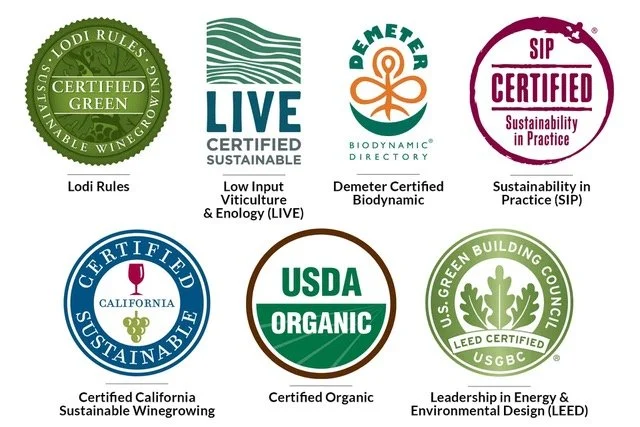
Growing wine grapes is an agricultural pursuit, so let’s start with activity in the vineyard. Many small and even large producers practice anything from sustainable agriculture to organic, and ultimately utilize biodynamic methods.
Sustainability includes stewardship of the land and farming responsibly, including ways to conserve water and improve the soil. Reducing the use of pesticides and fertilizers is paramount, and the use of integrated pest management techniques is often employed in vineyards that are practicing responsible farming. Energy efficiency and reducing the overall carbon footprint are becoming more common in this industry. Sustainable practices also involve economic and social impacts that ensure there is a healthy vineyard to pass on to future generations. These include providing safe working conditions and offering fair wages to workers.
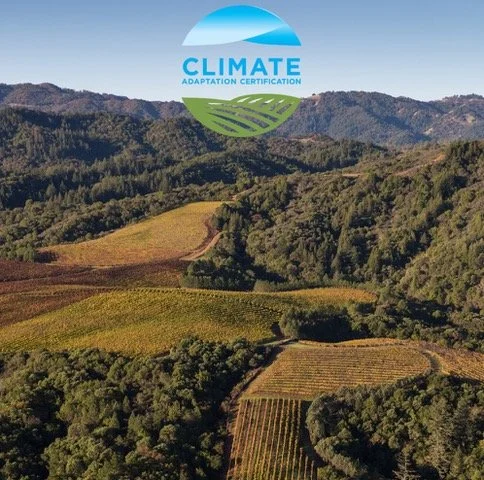
Many noted wine regions have special certifications for sustainable practices for wineries in the area. Sonoma County in Northern California is a prime example of a region committed to these principles and standards. In 2014, the winegrowers in this region came together and agreed to become the most sustainable wine-growing region in the world. Today, Sonoma County can say that 99% of the sixty thousand total vineyard acres are certified sustainable, which has been verified by a third-party program. Other notable regions with sustainable standards include Willamette Valley in Oregon, Chile, New Zealand, and South Africa’s Western Cape.
A look at organic certification shows that these standards focus on the use of pesticides, herbicides, fungicides, and fertilizers in growing wine grapes. There are small differences in standards in the US and around the world, but they are fairly similar. In the US, the land where grapes are grown must go through a three-year transition process if the previous land was not farmed organically. This requires an inspection of the land by accredited agents in organic farming. This certification also limits added sulfites in wines and non-organic fining agents. A fining agent is used to clear particles and sediment from the wine, leaving the finished product clear and smooth. As an aside about sulfites, no wine is entirely free from sulfites. Sulfites are important in wine because they prevent bacteria and unwanted elements from ending up in your bottle and ultimately your glass. These standards refer to added sulfites in wine and not naturally occurring or minute amounts.
Let’s examine the tenets of biodynamic winemaking and vineyard management. Like organic and sustainable farming practices, biodynamic agriculture encompasses a whole approach to vineyard management and winemaking, but adds a few more requirements than the aforementioned practices. Biodynamic methods include a calendar approach to winemaking, which dictates when pruning and harvest take place based on the position of the moon and planets. There are even greater uses of natural compost, like cow manure and buried cow horns, to boost the soil’s nutrients and vitality. In the winemaking process, there are very limited additions to the wine at every stage. For example, native yeast that is found naturally in the vineyard is used instead of synthetic yeast created in a lab. There is more uniformity in the latter, which some winemakers consider unacceptable for their winery and wines. It’s a fine line, but some find it a mark of distinction.
Wine is, at its core, a product of the earth, embracing terroir, which encompasses soil, sun, water, and vegetation. The growing movement toward sustainable, organic, and biodynamic practices reflects a deeper understanding that protecting the land is not just good ethics, but good winemaking. The next time you open a bottle of wine, consider what went into it beyond the grape, the label, or the name. Choosing wines made with environmental stewardship in mind is one of the most delicious ways to celebrate Earth Day, and at Wine Gallery 108, we wouldn’t have it any other way.
SEE ALSO: Beyond the Bottle: The Art of Wine at Wine Gallery 108