Sipping on Science: Incomplete Headlines on Alcohol and Health
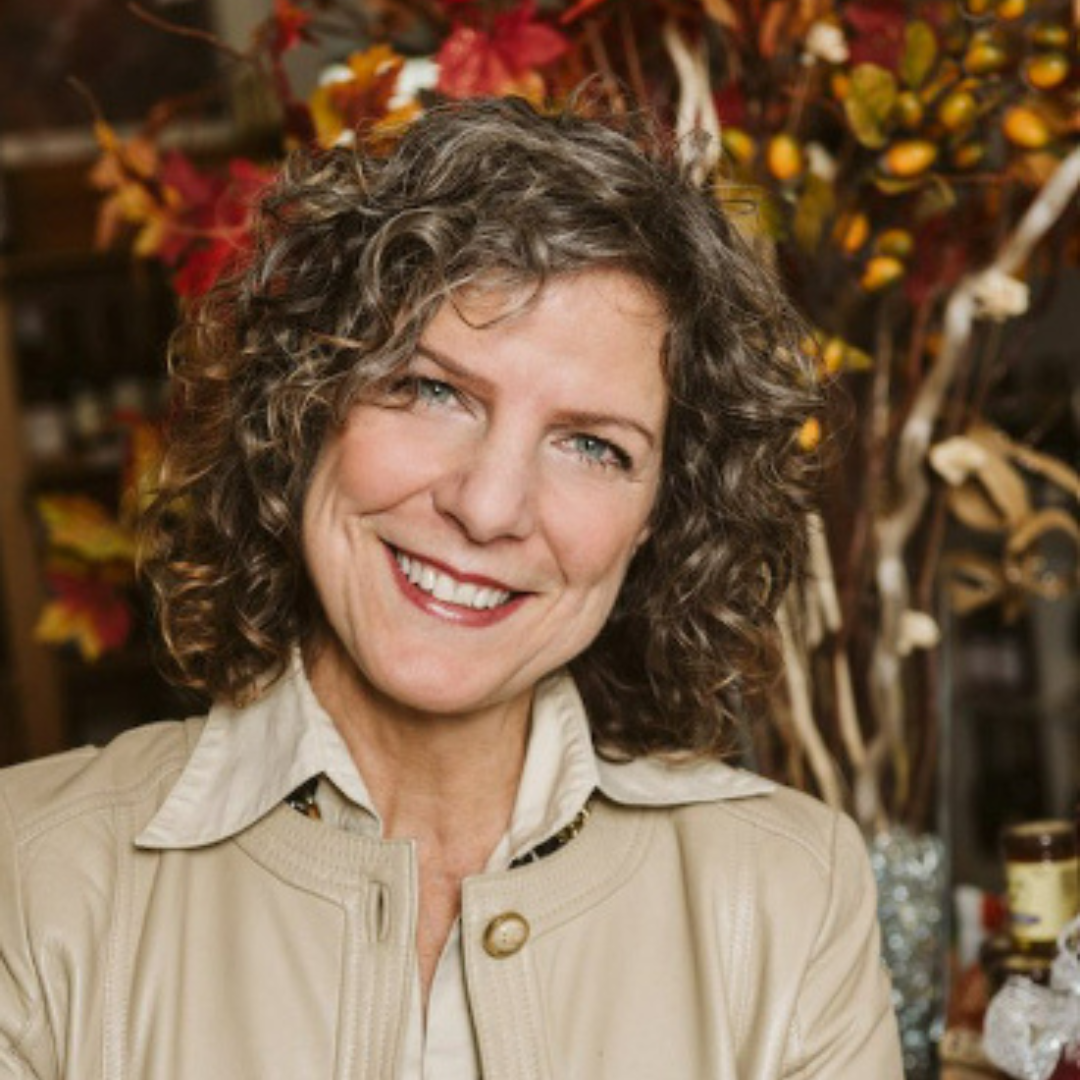
I hesitated for a while before writing about this topic, simply because it requires so much nuance and detail. I left a decades-long career in science and policy communication before I jumped full time into the wine arena and didn’t think I would be back in the communications space again. However, my synapses have been active since this topic landed on my doorstep.
The subject is alcohol and health, and the ongoing prominent public health message that less alcohol is better and that no amount can be considered entirely risk-free.
First, a little background. I am a registered dietitian by training and spent much of my career in science and policy communications, working with health professional, government organizations, and international agencies including the World Health Organization (WHO), Codex Alimentarius, (an international standard setting body for food, nutrition and food safety) and the Organization for Economic Co-operation and Development. I worked on nutrition and food-safety policy on behalf of food-industry organizations and nonprofits.
Nutrition has always been a charged subject, full of misinformation and oversimplified science. I used to joke that I worked in public relations because mentioning nutrition at a party could send the conversation down any number of rabbit holes. Fast-forward to my current work in wine, and it feels as though my past is following me!
So let's look at what the science actually says—and how we communicate it.
What is the current conversation about alcohol and health?
The first Dietary Guidelines for Americans were published in 1980 and the message at that time about alcohol was straightforward: if you drink, do so in moderation.
For decades, that remained solid and unquestioned advice. The 2020–2025 guidelines recommend no more than two drinks per day for men and one for women on days when alcohol was consumed. These limits were intended to help people moderate consumption, not to guarantee that drinking within them was risk-free.
Then came current attention to alcohol and cancer.
In January 2023, WHO stated that no level of alcohol consumption could be identified as entirely risk-free, particularly in relation to cancer. In January 2025, the U.S. Surgeon General issued an advisory identifying alcohol as a causal risk factor for at least seven types of cancer and calling for cancer risk information to be included on alcohol warning labels.
These were significant public health developments. Alcohol's relationship with cancer is not new science, but the advisories brought a storm of public attention.
The 2025–2030 U.S. Dietary Guidelines, published in January 2026, moved away from the previous daily limits and instead advised Americans to “consume less for better health.”
So how did we get from moderation to today's messaging?
Part of the answer lies in the science. But I believe we also need to look at how we communicate risk.
What does moderation actually mean?
“Everything in moderation” is one of the most frequently used phrases in nutrition. The problem? Moderation is not clearly defined and means different things to different people.
One person might consider four or five drinks over a few hours moderate because that is normal in their social circle. Another might consider one drink with dinner their usual limit. Neither person's perception of what is normal tells us whether that pattern is ok for health.
We also need to remember the definition of a standard drink. In the U.S., a standard drink contains about 14 grams of pure alcohol—the equivalent of five ounces of wine at 12-13% alcohol, 12 ounces of beer at 5%, or 1.5 ounces of spirits at 40%.
How much someone drinks, how often, and how quickly they consume it all matter.
What is missing from the conversation?
For me, the answer is context.
The Surgeon General's 2025 advisory estimated that alcohol contributes to nearly 100,000 cancer cases and approximately 20,000 cancer deaths annually in the United States. These are real numbers and should not be dismissed.
But population statistics do not tell every individual what their personal risk will be.
Consider the difference between someone who occasionally enjoys a glass of wine with dinner, someone who drinks every evening, and someone who consumes several drinks in a short period on weekends. These are different drinking patterns and should not be treated as interchangeable.
Research links alcohol to several cancers, and risk generally increases with consumption. WHO's position is that no threshold has been established below which alcohol related cancer risk disappears. But the absence of a risk-free threshold does not mean every level of consumption carries the same degree of risk.
The Mediterranean diet and lifestyle offer another useful perspective. Associated with better overall health, this way of living goes beyond food to include physical activity, shared meals and social connection. Wine has traditionally been part of this culture in many Mediterranean communities, often enjoyed with food and in moderation. The broader point is that health is shaped by an overall pattern of living, even as we acknowledge that alcohol carries risks.
Individual circumstances matter, too. Age, sex, medical history, medication intake, pregnancy, and susceptibility to alcohol use disorder can all influence the advice that is appropriate for someone. For some people, avoiding alcohol altogether is clearly the safest choice. People who do not drink should not start for perceived health benefits. I was asked this often during my career.
Better information, better decisions
We make decisions every day that involve risk. Driving, flying, taking medications are just a few examples. The goal is to understand those risks and make informed choices. People consume alcohol for so many reasons. I suspect a major one is gathering with loved ones over great food and feeling a sense of community.
Having spent much of my career translating nutrition science into policy and public messaging, I know that communicating research is rarely as simple as issuing a black and white recommendation. People need to understand what the recommendation means, why it was made, and what the evidence can—and cannot—tell them.
We should be able to acknowledge alcohol-related harms while explaining how consumption patterns affect risk, who may be especially vulnerable, and what population-level statistics mean for individuals.
The goal should not be to defend alcohol or dismiss expert recommendations. It should be to give people information they can actually use and feel good about.
Good science communication should do more than tell people what to think. It should help them understand the evidence, ask better questions, and make informed decisions about their own health. Creating messages that NO amount of alcohol is ok to consume is not helpful and doesn’t tell the full story.
Lastly, because of my nutrition background and experience, I have always offered low and no alcohol products in my shop for those that either don’t drink alcohol or are taking a break for any number of reasons. We truly have something for everyone at Wine Gallery 108. Come by, peruse and say hello!
SEE ALSO: Pour Over This: How Current Events Are Impacting the Wine World... and What It Means for You