
Are Protein Shakes & Bars Your “Gateway Drugs”?
We’ve all been there. It happened to me just yesterday. My lunch didn’t fill me. It wasn’t enough to get through my day. So, I grabbed a bar from my purse.
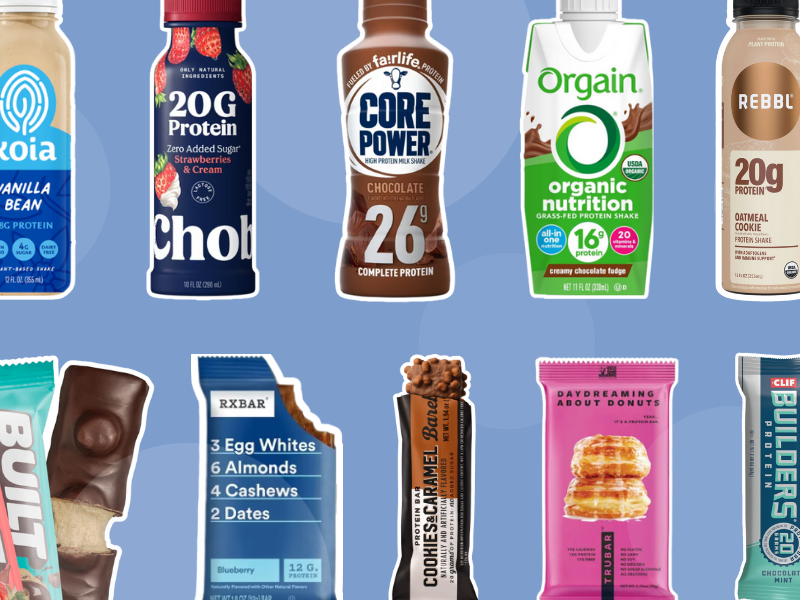
It doesn’t help that the news about increasing our protein consumption is everywhere right now. The message itself isn’t wrong. However, many of us now rely heavily on processed protein to “get in” our meals for our newfound protein goals.
Remember, women-only medical research has only just begun. Up until recently medical research for women’s health was conducted on men, or in the same studies as men. The entire medical system is set up based on the research of men: Prescriptions, medical devices, medical equipment, and the advice from our doctors all were designed based on research conducted on men!
Now, specific research shows that women in perimenopause and beyond need more protein than we previously thought—definitely more than most are already consuming.
Protein does a lot for aging women. Yes, ladies. we are all “aging” after 30.
Protein:
supports and protects muscle as estrogen imminently declines
protects bone density, supports fat loss without sacrificing muscle
supports an active metabolism
supports skin, hair, and connective tissue
supports immune health
reduces fall and fracture risk
regulates energy and blood sugar regulation, and overall resilience as we age
supports mood, cognition, and stress resilience

I am thrilled that women are now aiming to eat MORE, not less. I encourage my own members to count their grams in protein daily to help understand how they are often undernourishing their bodies in their overwhelmingly busy lives (and workouts!). But here’s where I’m starting to get concerned.
Outsourcing Nourishment
Food marketing companies know how to intentionally market to women using emotion, identity, aesthetics, and reassurance—NOT strength and performance. “Glow Protein”, “Radiance Blend”, “Lean Support”, and "Clean Nourishment” are just some of the popular terms used to lure consumers to purchase their products.
By the way, what does “clean” mean?!?
Giving full attribution to my friend Betsy who coined the phrase “gateway drugs” for shakes and bars . Not because they’re “bad” or forbidden, but because they can quietly replace fueling meals, disconnect us from hunger and fullness cues, and keep us stuck in a pattern of rushed, stressed eating.
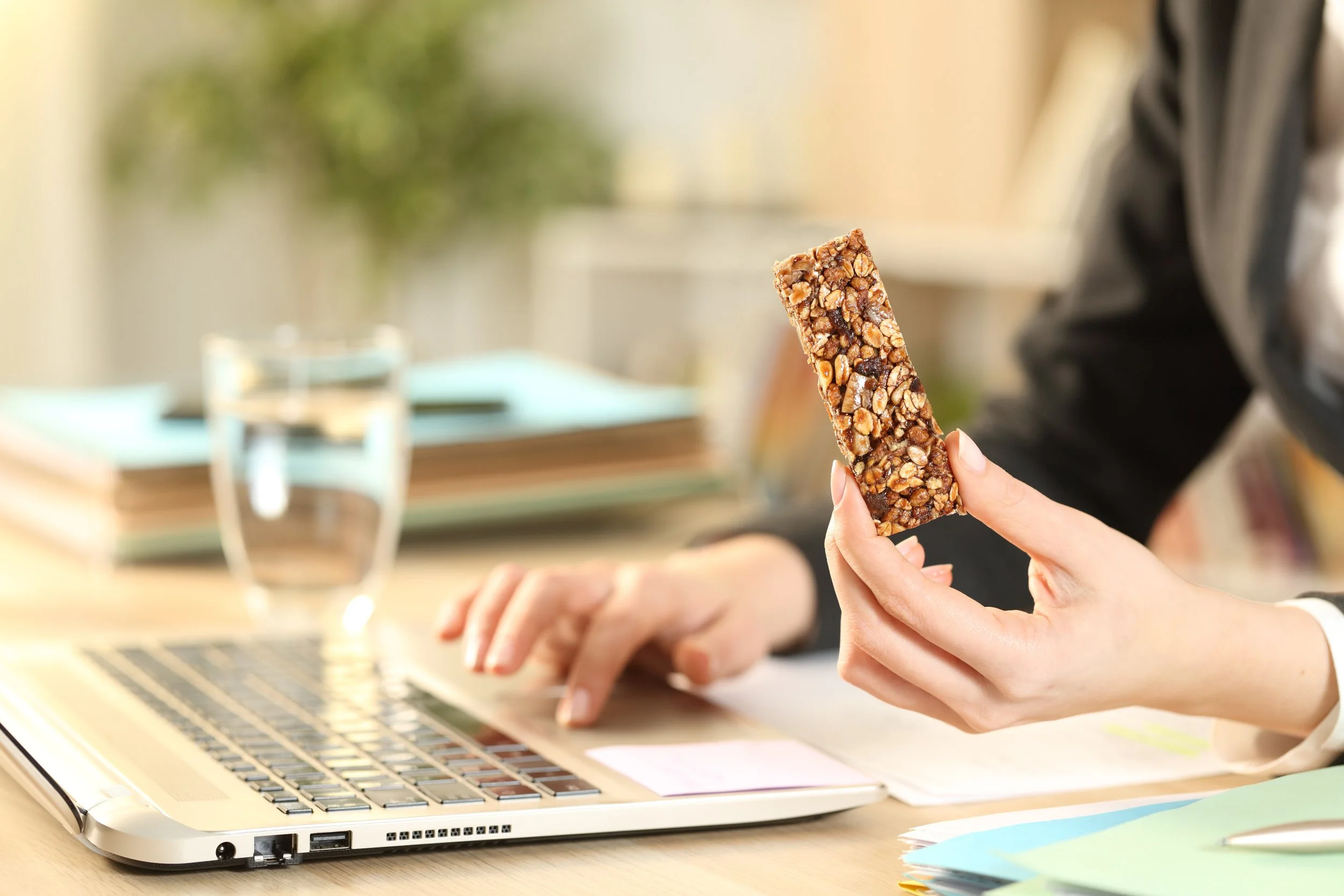
Over time, that pattern can sabotage metabolic health rather than support it. Yes, you can gain weight if you are relying too heavily on packaged and processed protein foods.
I see this all the time. Women skip breakfast or rush through it with a shake. They grab a bar between meetings, and lunch gets pushed later and later. Exercise gets more intense because of the concern with some extra weight, all while real meals happen less and less. And then confusion sets in when energy crashes, cravings intensify, digestion feels off, or weight settles stubbornly around the midsection.
This isn’t a willpower problem. It’s a fueling problem. Midlife bodies do not thrive on fast fuel. They thrive on real food, and calm digestion.
Chew Your Food Completely
Digestion begins in the mouth. Chewing your food sends powerful signals of safety to the nervous system and helps regulate blood sugar and insulin response—an area that often becomes more fragile during perimenopause and menopause.
Liquid calories and ultra-processed protein products don’t offer the same benefit. They cut short the powerful process of digestion that starts with ample chewing. They’re not especially satisfying, and they rarely signal “enough” to the body.
To be clear, protein powders and bars aren’t inherently evil, or as many women say “bad”. I use them occasionally myself. But they are supplements, not foundations.
When they become the primary way we nourish ourselves, they often keep us trapped in the very cycle we’re trying to escape: skipping meals, grazing, craving sugar, and feeling perpetually behind. And, again, gaining weight.
There’s also the practical reality. These products are expensive, highly processed, and often marketed as solutions to problems that thoughtful planning and real food solve far more effectively.
Reframing Mindset Around Fuel
Here’s the reframe I want women to consider: protein is essential, but real food is foundational.
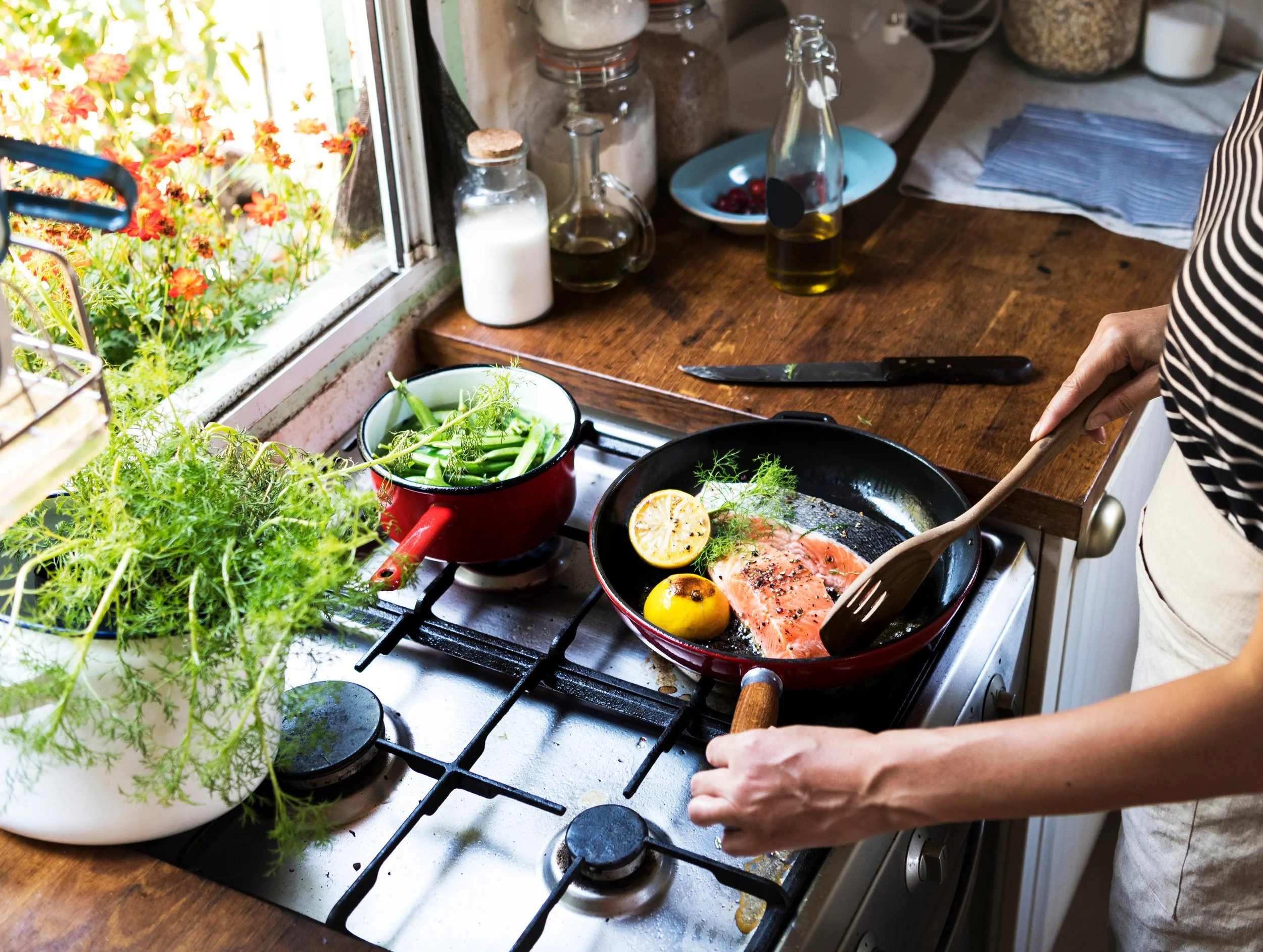
Eggs, yogurt, leftovers, beans, fish—these are far more supportive of metabolic health than most packaged protein options, and they require us to slow down enough to plan and eat.
Eat breakfast. Start your meals with protein. Chew your food (I tell members to chew food 20 times before swallowing). Sit while you eat. Plan ahead just enough to avoid “emergency nutrition.” Use shakes and bars when they support your life—not when they replace it.
And remember that protein does its best work when paired with strength training. The solution isn’t more restriction or better products. It’s better nourishment and lifting. Many women struggling in midlife aren’t underperforming—they’re under-fueling and over-relying on their old cardio-only methods and convenience foods.
Midlife isn’t the time to just survive. We’re in the busiest time of our lives! It’s the time to fuel yourself—so you can feel strong, energized, and fully alive in the life you’ve built.
Fueling your body well supports strength, hormones, and yes—even sexual health. In my upcoming free webinar on January 23, The Forgotten Muscles of Women Over 40, Dr. Christine Kiesinger and I will address libido, intimacy, and the physiological shifts so many women are navigating. Join us for an honest, practical conversation about what’s normal…and what’s possible. Sign up today!
SEE ALSO: Don’t Work Out on Empty: What to Eat to See Results