
Get a Grip: Why Improving Grip Strength Is Key to Your Health
Maybe you’ve missed the news about how long a person should be able to hang from a bar (with no feet touching the ground). Cabinet Secretaries Kennedy and Duffy performed pull ups at Reagan Airport. CBS News Correspondent Norah O’Donnell interviewed completed a dead hang during her interview of Dr. Peter Attia. Finally, the New York Times recently profiled 81-year-old Bonnie Sumner, who set the world record for a dead hang for someone over eighty.
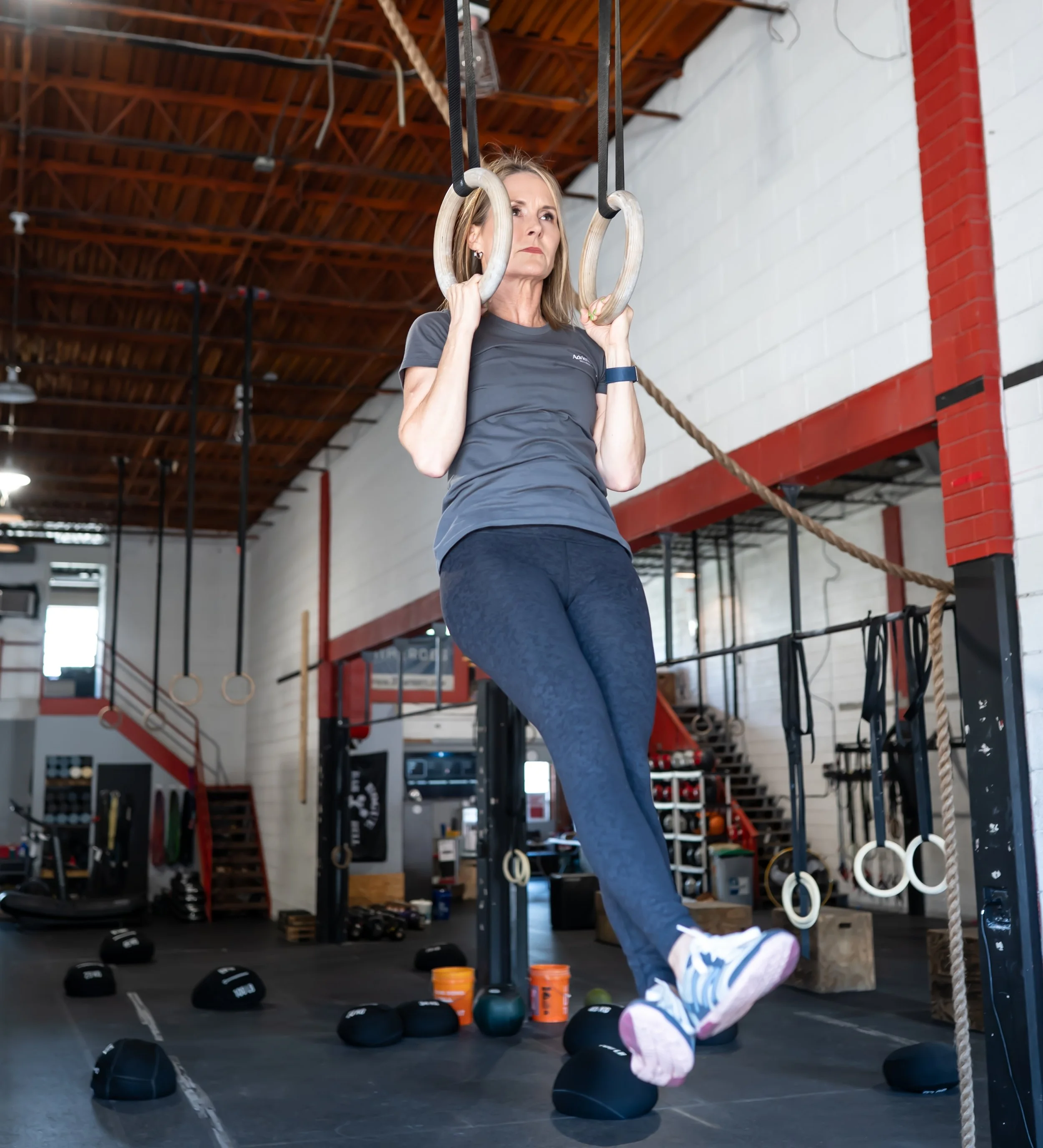
This is good news for several reasons.
1) The importance of grip strength is finally center stage.
2) The world is catching up to the concept of functional fitness.
3) More complex movements, like the pull up, are gaining popularity again.
I contend one reason for frozen shoulder is simply that we do not put our arms overhead as often as we should. 5% of the general population is diagnosed with frozen shoulder, and 70% of those are women in perimenopause and menopause. This is due to the fact that we all have estrogen receptors in our shoulders, and when estrogen declines in midlife, combined with other factors like inflammation, stress, and lack of sleep, our shoulders take a big hit.
When we think about health markers, we often focus on weight, cholesterol, or daily step counts. Improving grip strength rarely is discussed, and yet, it’s one of the most well-researched, reliable indicators of overall health, functional strength, and longevity.
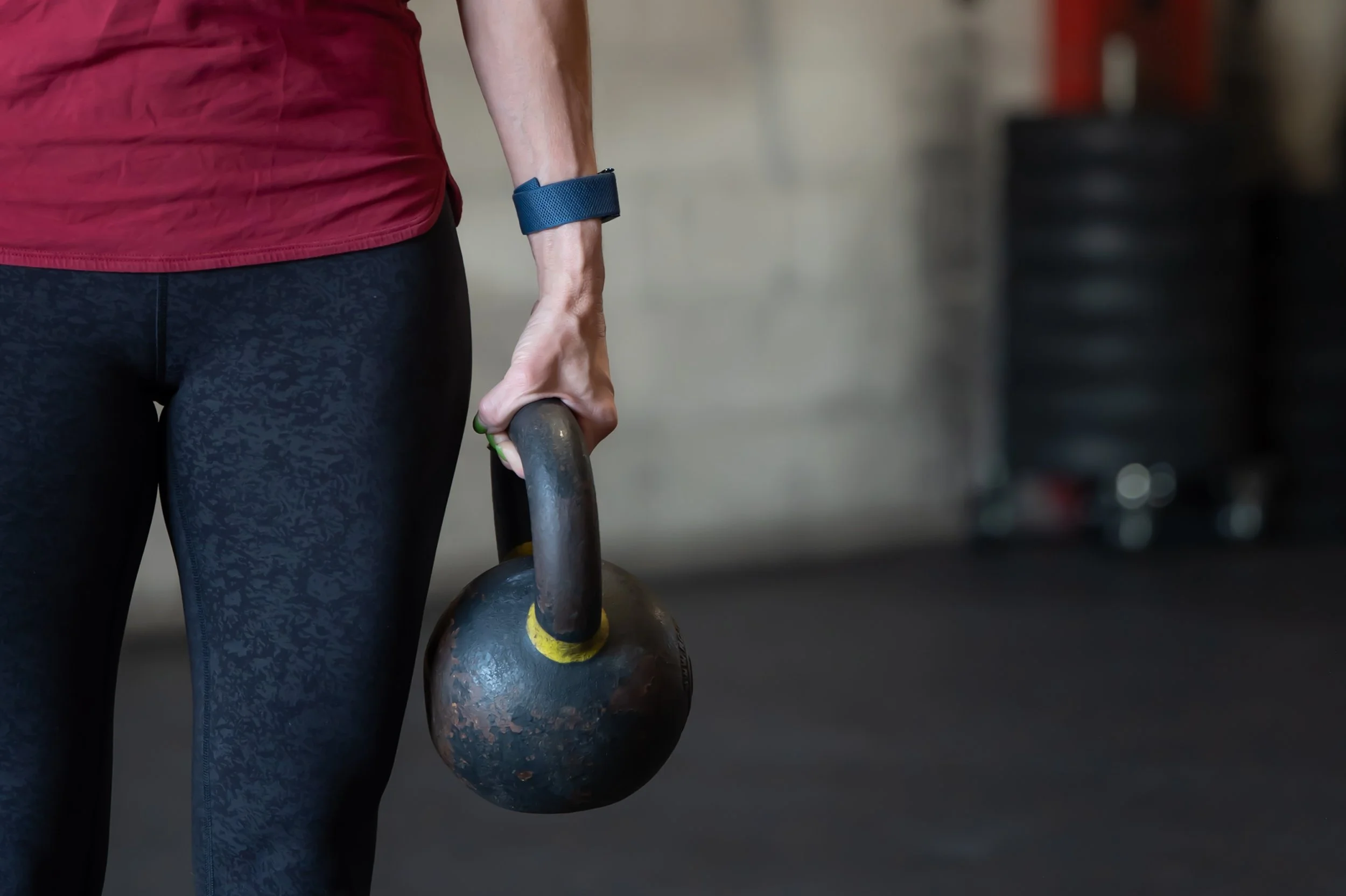
What Grip Strength Really Measures
It’s not just hanging. Gripping requires coordinated muscle activation, joint stability, and nerve signaling, and it serves as a practical snapshot of overall physical function.
In short, strong grip = strong communication between the brain and body.
The forearm muscles play a critical role in daily movement and load transfer. They assist in pulling, lifting, carrying, stabilizing the wrist, and supporting upper-body strength. Weak forearms limit strength elsewhere in the body, particularly during compound movements like rows, deadlifts, and presses.
Grip strength often becomes the “weak link” first, making it an early, visible indicator of declining muscle function before larger muscles show obvious loss.
How Aging and Hormones Affect Grip Strength
Beginning in our 40s, grip strength tends to decline in parallel with overall muscle mass, making it a marker of early strength loss. Because it’s easy to measure and responsive to training, grip strength provides valuable feedback on whether the body is being adequately supported through resistance training, nutrition, and recovery.
Extensive research links improving grip strength can reduce risk of injury, improve mobility, better balance, and lower rates of chronic disease. Weaker grip strength has been associated with increased risk of falls, fractures, and functional decline later in life.
Improving Grip Strength = Improving Your Life
Grip strength has also been correlated with cardiovascular health and cognitive function. Because it reflects neuromuscular efficiency, it offers insight into how effectively the brain and nervous system are communicating with the body—an important factor in long-term resilience and independence.
Beyond the data, grip strength has real-world impact. Tasks like carrying groceries, lifting luggage, opening jars, gardening, and maintaining good posture all depend on strong, functional forearms.
Feeling capable in your body changes how you move, train, and engage with daily life. When grip strength improves, women often notice a greater sense of physical confidence.
How to Get a Grip on Grip Strength
Luckily, improving grip strength doesn’t require complicated equipment. Strength training that involves pulling, carrying, and holding—such as deadlifts, rows, farmer’s carries, and hanging variations—naturally strengthens the forearms.
Targeted tools like hand grippers, resistance bands, or even squeezing a towel over and over again can further support grip endurance. As with all strength adaptations, it’s all about consistency over intensity.
Grip strength isn’t just about strong hands. It’s about a strong, responsive system that can support you through all stages of life. Paying attention to grip strength offers a simple, science-backed way to assess how well your body is aging—and when it may need more support.
Contact me if you have any questions about improving grip strength, or how to work this into your overall strength routines, at www.adriencotton.com. You can even schedule a 1:1 just to talk about this!
SEE ALSO: Dear Shoulders: I’m the Problem, It’s Me