
That Nagging, Stiff and Painful Shoulder – What Is Going On?
Have you ever had a shoulder that seems to get stiffer and stiffer? No clear injury or obvious reason exists for your discomfort. Just a dull ache that won’t leave — and slowly, the things you love doing start to feel harder. You have checked all the boxes, but nothing is changing: you saw your doctor, tried pain medications, and got an X-ray and/or MRI that came back negative. You may have even cut back on things like lifting your kids, going to the gym and doing household chores in hopes of getting some relief. Yet the pain still lingers, and your motion is getting worse.
Frustration continues to build as your sleep may be getting disrupted.
If this sounds familiar, please hear this: you are not imagining it, and you are not alone.
Frozen shoulder, or adhesive capsulitis, is something we are still learning a lot about. Here are the things we do know:
It is common in women ages 40–60 (yes, menopause — we see you!).
It is more common in women with autoimmune diseases like diabetes and thyroid dysfunction.
It can develop after shoulder surgery or trauma.
It can also impact breast cancer survivors, especially after radiation or when starting hormone blockers.
Hormonal shifts seem to play a bigger role than we once realized.
The Good News: Frozen shoulder does get better.
The Honest News: It can take time — several months to even a couple of years.
I like the analogy that “a frozen shoulder is like a virus; it has to run its course.”
While we can’t “cure” it overnight, there are several things we can do to make the journey much more manageable. If you are noticing these symptoms, here are two helpful starting points:
See a physician and ask about bloodwork, including hormone testing.
Frozen shoulder can sometimes be one of the first symptoms of perimenopause, and it’s also important to rule out thyroid or autoimmune conditions.Work with a women’s health physical therapist.
Hormonal changes affect connective tissue and mobility. A physical therapist who understands this can help tailor treatment to where you are in your personal journey.


Frozen shoulder is divided into three specific phases:
1) The “Freezing” Phase
Pain is increasing and mobility may be decreasing.
Our focus during this time is pain management and gentle movement.
2) The “Frozen” Phase
Pain may start to decrease, but your stiffness will linger. Likely your mobility isn’t getting worse — but it is not improving either.
Our focus here is to spend increasing amounts of time in your end ranges of motion.
3) The “Thawing” Phase
Your mobility is slowly improving, and pain continues to decrease.
The end is in sight — we focus on getting you strong and back into the activities you love.
Each specific phase requires a slightly different approach, which is why personalized guidance is so important.
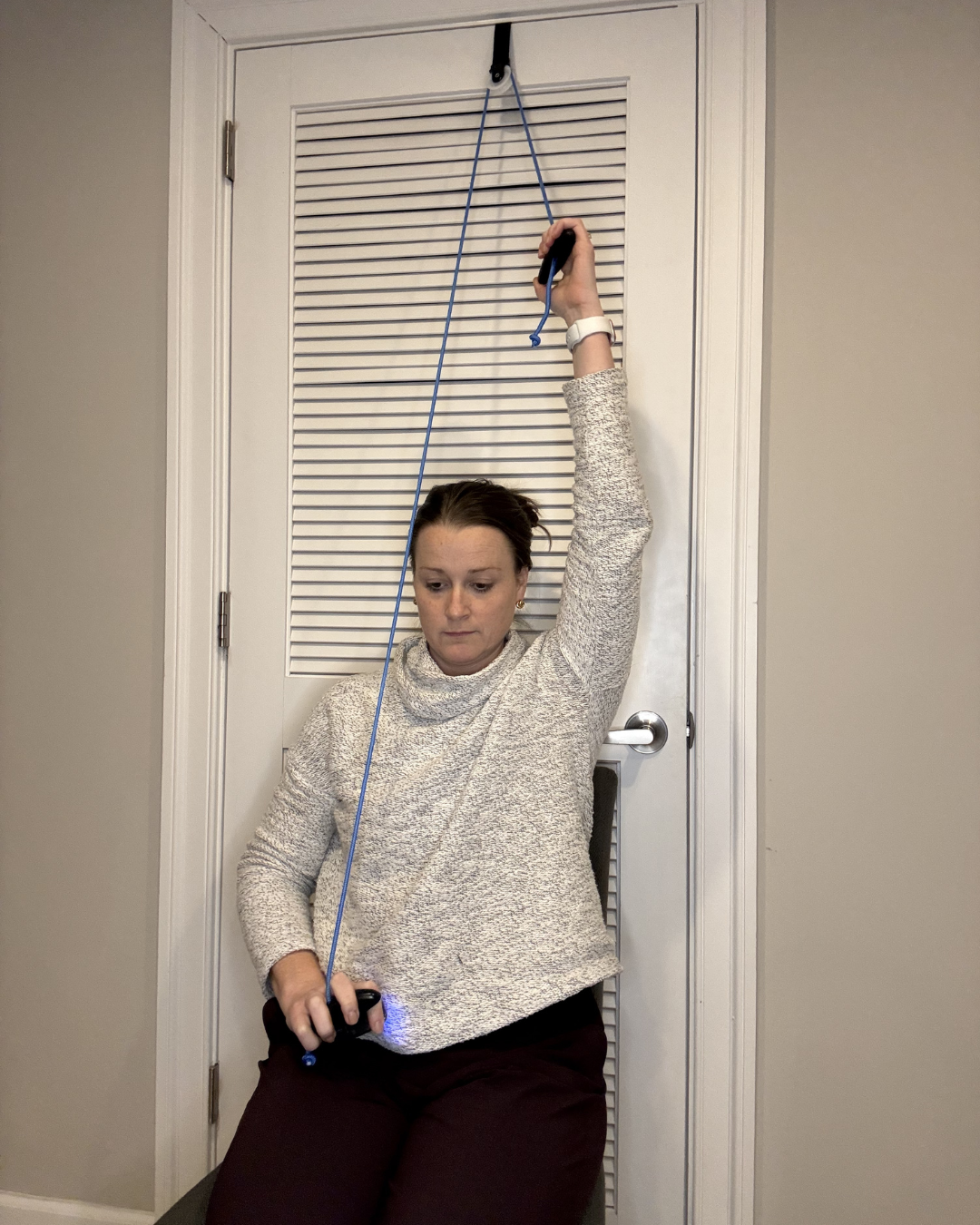
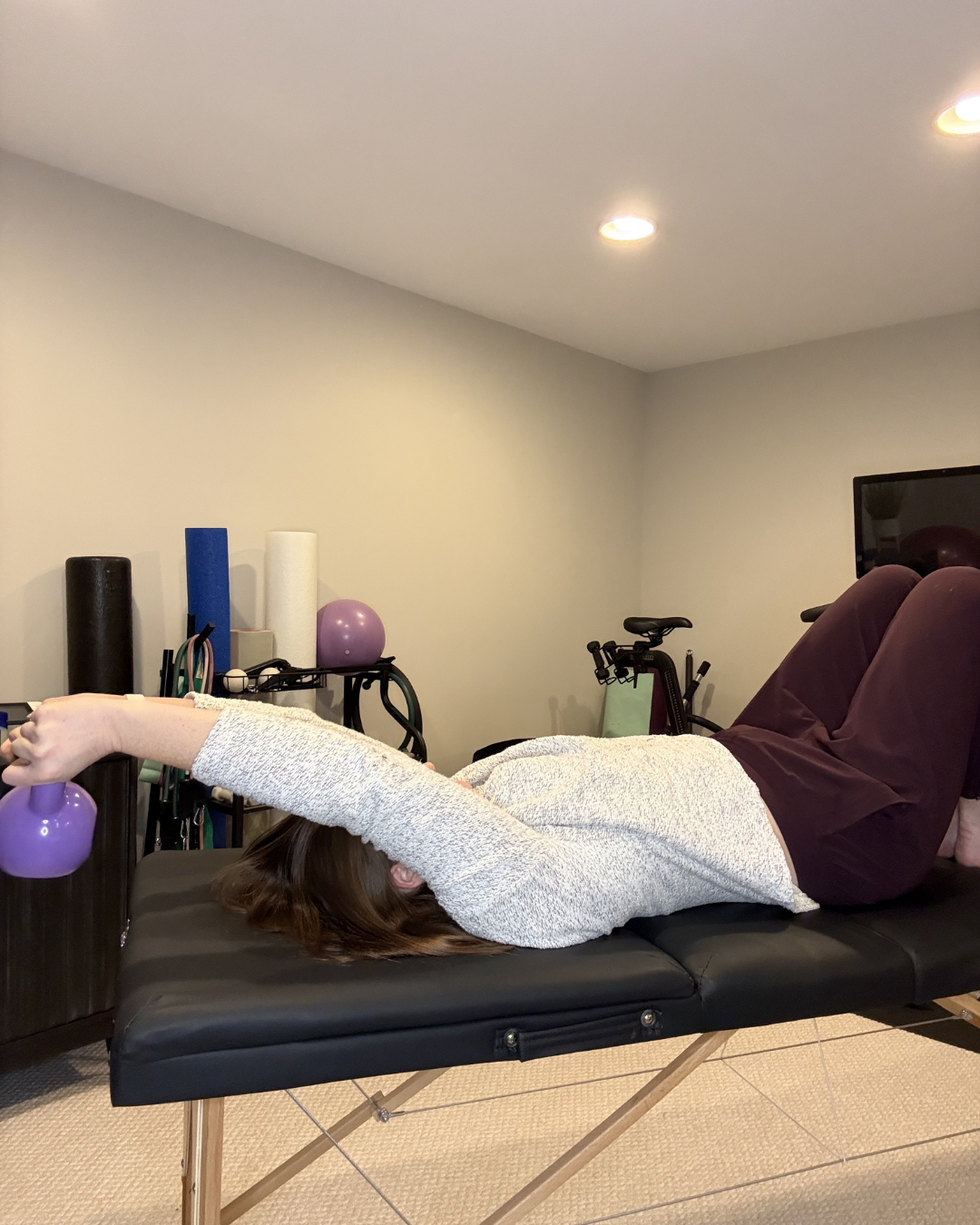
The one thing that always helps: frequent, gentle movement. No matter which phase you are in, this statement stays true. Your exercises may change, but as physical therapists we will continue to discuss the importance of frequent, gentle motion.
When you move more often:
Your tissues don’t tighten up as much.
Stretching will feel less painful.
You will stay ahead of the stiffness.
Try frequent, gentle stretches every hour you are awake. Keep them simple and doable anywhere. Consistency beats intensity every time with a painful, stiff shoulder.

Three things I want you to know:
It is okay to get frustrated. This is a slow process.
Frequent, gentle motion almost always helps.
It will get better. And there are ways to improve your quality of life during this time.
You do not have to suffer in silence or just deal with it. If this sounds like you, please reach out to us at Athena Wellness and Physical Therapy. We are here to support you.
SEE ALSO: What Every Breast Cancer Patient Should Know: Insights from a Physical Therapist