Beyond the Game: How the World Cup and Olympics Are Redefining Luxury Real Estate
When the FIFA World Cup returns to North America in the summer of 2026, the world will be watching. Sixteen host cities, three countries, millions of visitors, and one global spotlight. While the matches will be decided on the field, another arena is heating up quietly behind the scenes: luxury real estate.
Historically, hosting a major sporting event like the World Cup or the Summer Olympics acts as a massive global billboard. It’s an opportunity for a city to reintroduce itself on the world stage. But the impact on luxury real estate is often a complex balance of short-term demand and long-term urban transformation.
Here’s what the latest data from Sotheby’s International Realty reveals about the so-called “Olympic Effect” and the “World Cup Bump.”
The Power of the “Olympic Effect”
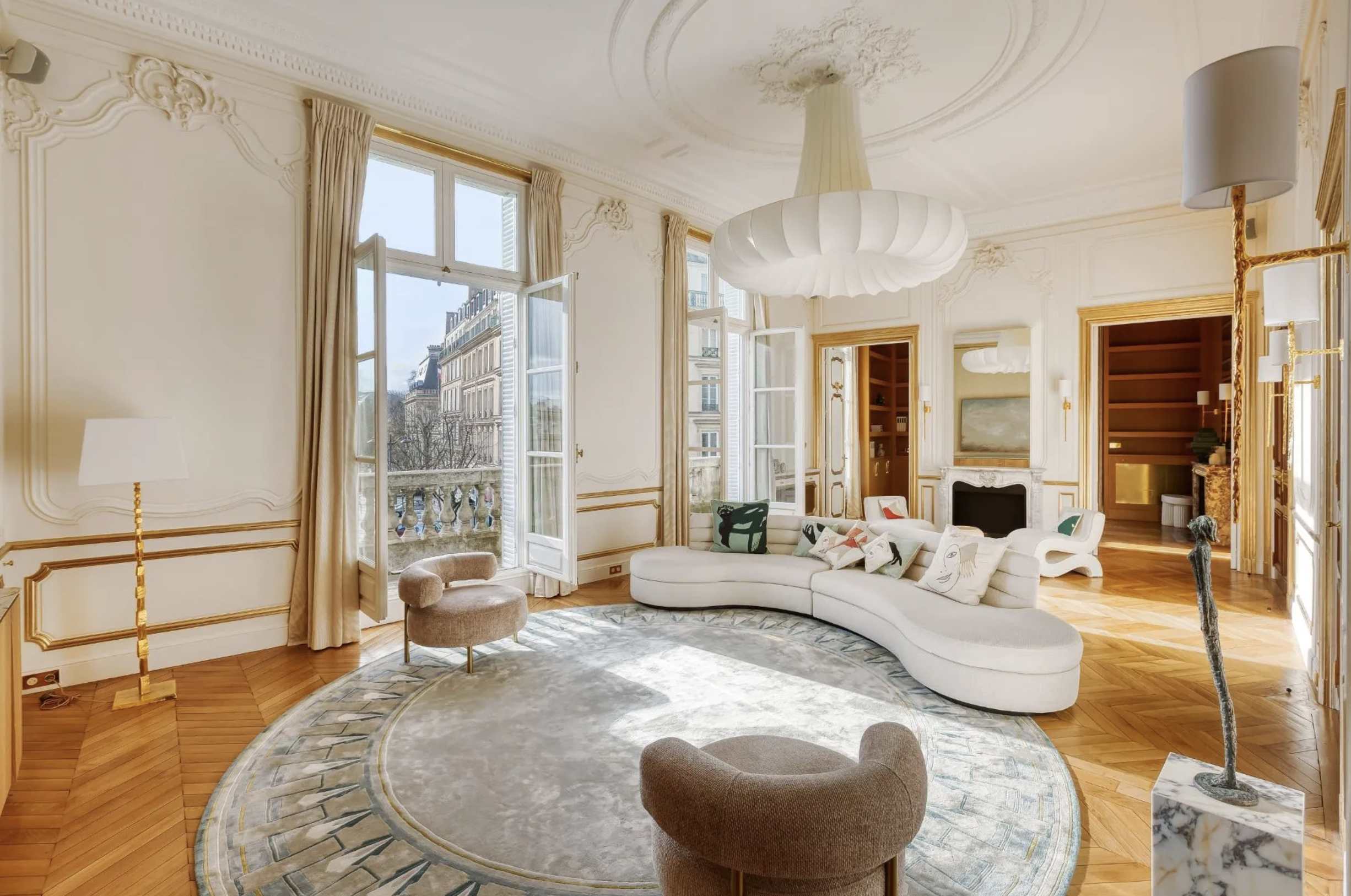
Listed by Sotheby’s International Realty, Paris, France, $16,947,172
Economists have long studied the “Olympic Effect,” a phenomenon in which global sporting events act as catalysts for major infrastructure investment and property market shifts. According to data from Goldman Sachs, host cities often see average property value appreciation of about 2.5 percent in the years following the event. In the luxury sector, however, those gains can be significantly higher.
London is a textbook example. Newham, the borough that hosted the 2012 Olympic Village, saw property prices rise more than 400 percent over two decades, more than double the national average. Paris experienced similar momentum ahead of the 2024 Summer Games, with luxury neighborhoods near the Athletes’ Village recording price increases of roughly 22 percent. Even more telling, foreign interest in Paris luxury real estate surged by more than 70 percent, led largely by American buyers drawn to historic neighborhoods and iconic views.
Beyond the numbers, these events reintroduce cities to the world. They remind global buyers why these places matter.
A Tale of Two Outcomes: Resilience vs. Oversupply
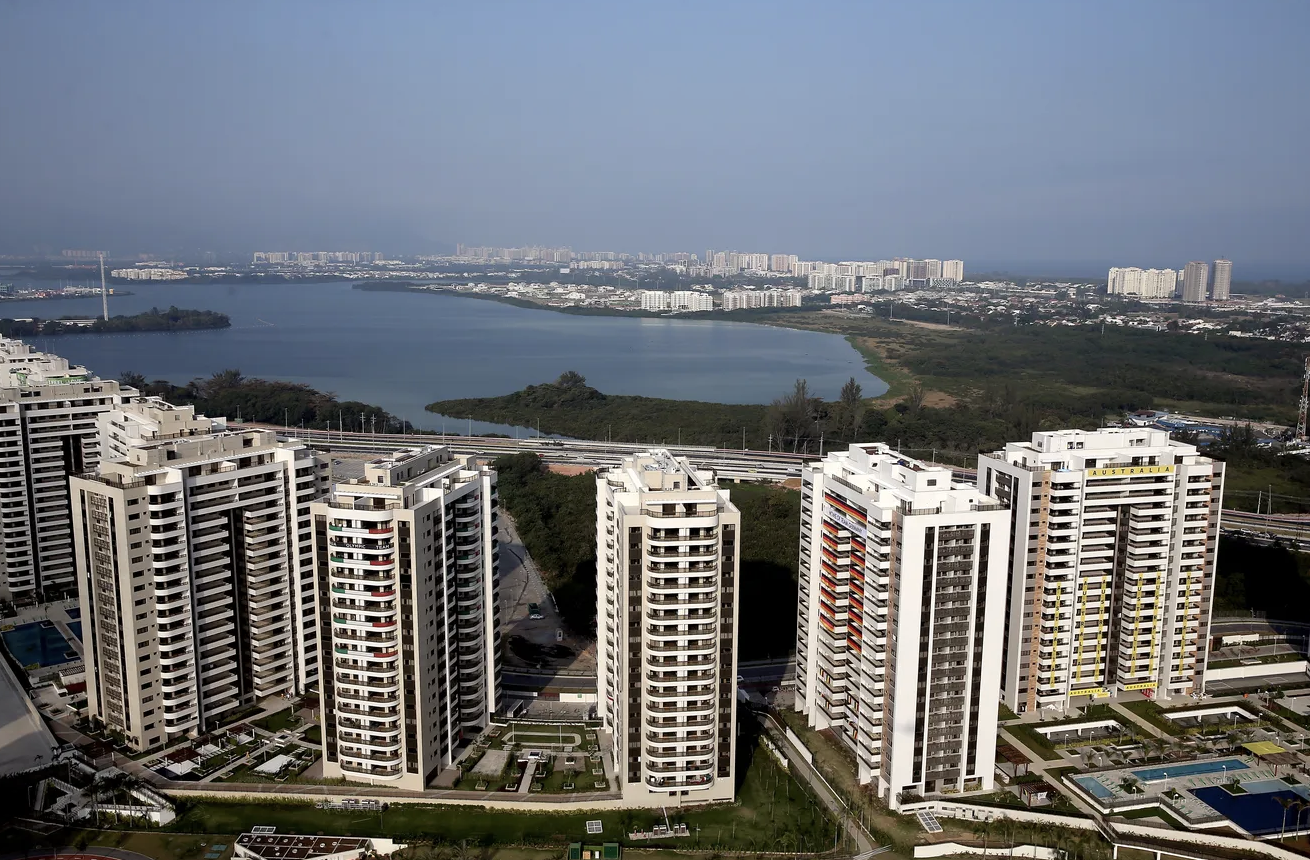
Olympic Village in Rio de Janeiro, Brazil. Photo Credits: Getty Images
While the visibility of a World Cup or Olympic Games can dramatically elevate a city’s profile, it also carries risk. The report highlights a crucial lesson: building too much, too fast can lead to a post-event hangover.
In Rio de Janeiro, the lead-up to the 2016 Olympics saw residential valuations increase by 84 percent. The growth, however, proved unsustainable. By 2017, the $700 million Athletes’ Village, intended to become luxury condominiums, was reportedly 93 percent vacant. Similarly, Qatar’s estimated $220 billion investment for the 2022 World Cup resulted in a housing surplus of roughly 80,000 units.
The key to avoiding these pitfalls lies in thoughtful urban planning. Successful host cities like Barcelona and London used these events not just for sport, but to create transit links and revitalize neighborhoods that remained desirable long after the closing ceremonies.
The 2026 World Cup and the North American Market
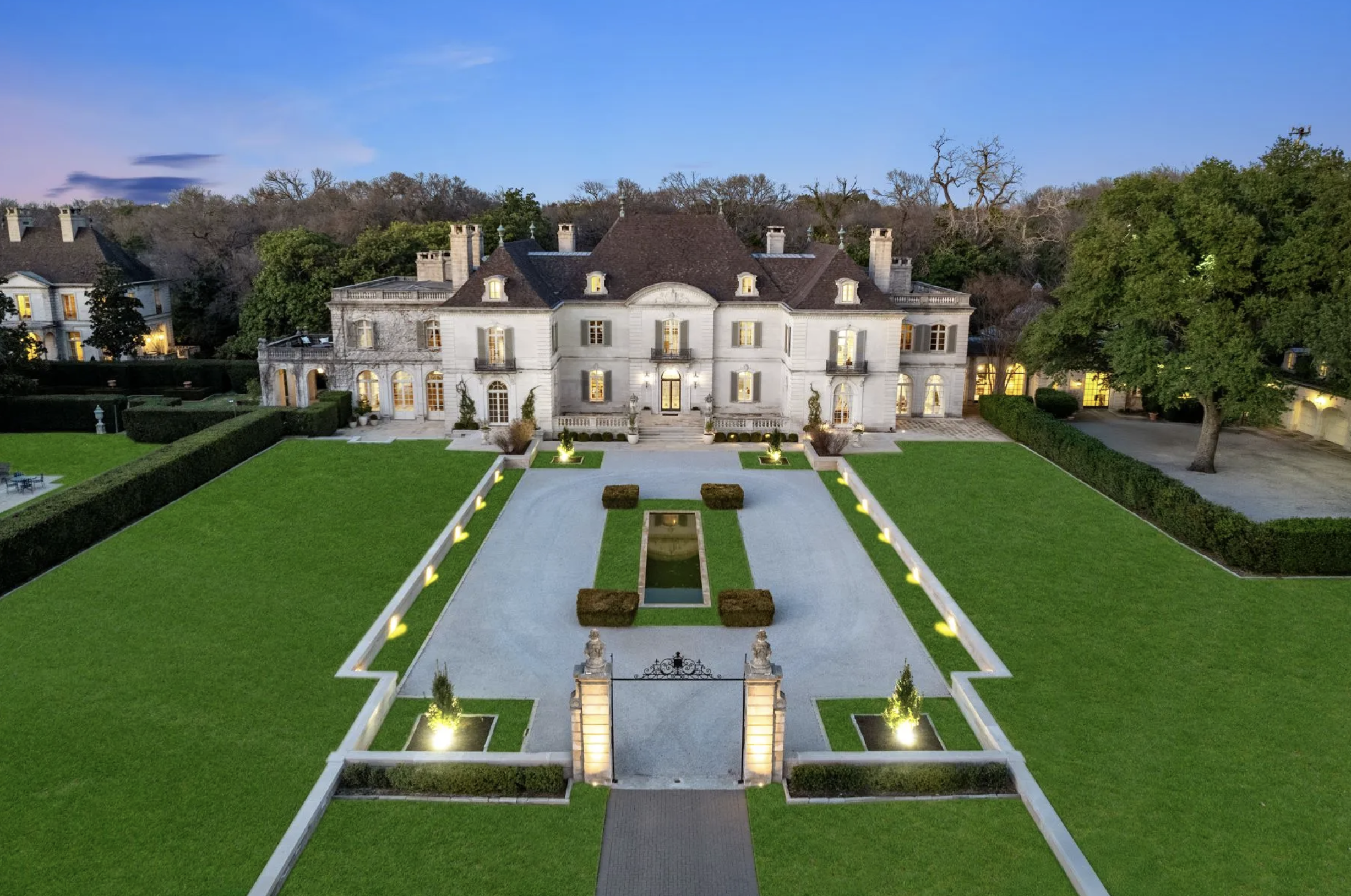
Listed by Sotheby’s International Realty, Dallas, Texas, $64,000,000
With the 2026 World Cup approaching, North American host cities are already seeing movement. The New York metropolitan area, which will host the tournament final, has committed more than $65 million to infrastructure improvements. Thanks to its size and density, the region is unlikely to experience a post-event dip. Instead, experts anticipate a surge in luxury short-term rentals as international visitors flood the area.
In North Texas, the impact is even more pronounced. Dallas and Fort Worth luxury property values are currently appreciating between 5 and 10 percent annually, outpacing the broader market. For local leaders, the World Cup represents more than a few weeks of soccer. It’s a long-term branding moment designed to attract international buyers and position the region on the global investment map.
Looking Ahead: The “White Hot” Market in Brisbane
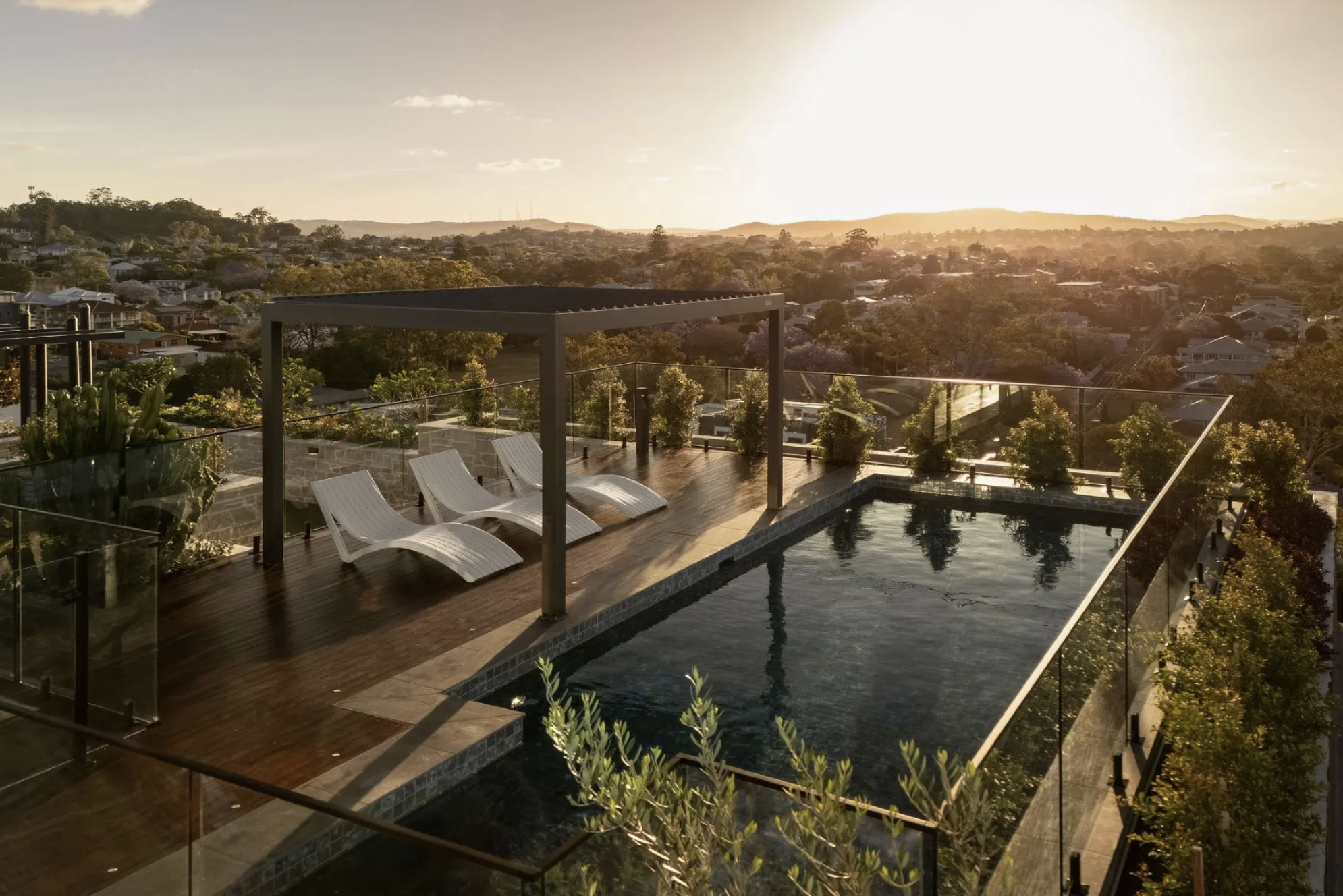
Listed by Sotheby’s International Realty, Brisbane, Queensland, Australia, Price Upon Request
For buyers with a long-term outlook, the spotlight is already shifting to Australia. Since being named host of the 2032 Summer Games, Brisbane has experienced a significant rise in property values. The market is now described as “white hot,” fueled by Olympic confidence and growing global interest in Southeast Queensland’s relaxed, wellness-oriented lifestyle.
The Real Takeaway for Luxury Buyers
The most successful real estate stories tied to global sporting events aren’t about quick flips or speculative plays. They’re about lifestyle, legacy, and longevity. While the World Cup or Olympics can drive short-term rental demand and international attention, the properties that truly hold their value are those embedded in a city’s long-term vision.
For today’s luxury buyer, owning a home in a host city is about more than returns. It’s an investment in a place that has proven it can perform, evolve, and shine on the world stage long after the final whistle blows.
SEE ALSO: Ins & Outs: 2026 Home Design Trends