The Hormone Replacement Therapy (HRT) Black Box Removed: 3 Options to Consider
For years, hormone replacement therapy (now more accurately called menopausal hormone therapy, or MHT) has lived inside a “black box” for many women…mysterious, intimidating, and often misunderstood.
If you came of age hearing that hormones were dangerous, risky, or something to avoid at all costs, you’re not alone. Many women were left with fear not facts, silence not support. An entire generation of women lived in total fear of the negative outcomes from hormone therapy.
The conversation is FINALLY changing.
Abundant research, clearer guidelines, and more nuanced medical conversations are lifting the lid on the MHT “black box” and giving women real options rooted in individualized care.
The “Black Box” or the “Black Box” warning on HRT refers to the FDA’s strongest safety warning placed on certain hormone therapy medications, particularly estrogen and estrogen + progestin products. It’s literally printed inside a BOLD black border on the prescribing information to signal serious or life-threatening risks.
The warning was largely triggered by findings - and a massive marketing campaign - based on the landmark Women's Health Initiative (WHI) study in the early 2000s. That study found increased risks in women taking oral conjugated equine estrogen plus medroxyprogesterone (Prempro), especially when started after menopause.
The warning differs slightly depending on whether the product contains estrogen alone or estrogen + progestin, but it generally includes increased risk of:
For Estrogen + Progestin:
Breast cancer
Stroke
Blood clots (DVT, pulmonary embolism)
Heart attack
Dementia (in women over 65)
For Estrogen Alone:
Stroke
Blood clots
Possible increased dementia risk (over 65)
Endometrial cancer (if uterus is intact and no progesterone is used)

This article is not intended to suggest every woman should consider hormones. In fact, there are women for whom hormone therapy is not an option for a number of medical reasons.
This is intended to help you understand what’s available so you can make informed decisions about your health.
The fear around HRT largely traces back to early 2000s studies that were broadly interpreted, and often miscommunicated, to suggest hormone therapy was universally dangerous. Over time, many providers stopped prescribing it altogether, and women were left to “power through” symptoms like:
Hot flashes and night sweats
Sleep disruption
Mood changes and anxiety
Brain fog
Joint pain
Changes in body composition
To this day, I am dumbfounded to learn doctors are reticent to even discuss hormone therapy. There is a generation of medical professionals who were in medical school when this study was released or soon after. They may be partial to abstaining for this reason also because medical schools were afraid of it’s use to relieve women of the symptoms of menopause.
What we now understand is that timing, formulation, dosage, and individual health history matter deeply. One-size-fits-all conclusions don’t serve women—and never did.
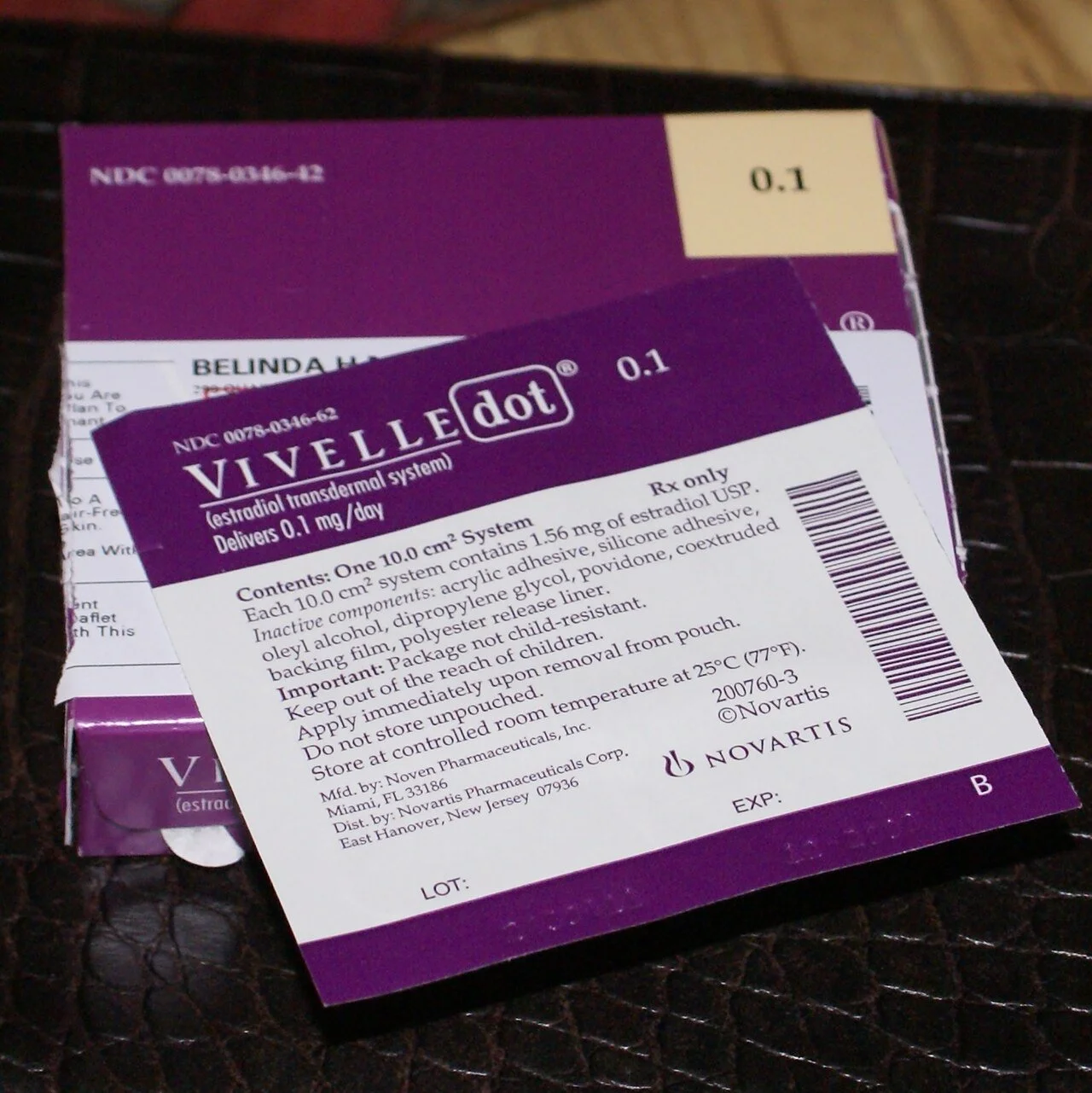
Option 1: Traditional MHT (Estrogen + Progesterone)
This is the most well-studied form of hormone therapy and is considered the gold standard for many women when prescribed appropriately.
MHT typically involves estrogen (to address symptoms) and progesterone (for women with a uterus, to protect the uterine lining). When started around the time of menopause and tailored to the individual patient, research shows it can be highly effective for symptom relief and may offer benefits for bone and heart health, sleep, and quality of life.
The key takeaway: MHT is not “good” or “bad” by default, it’s context-dependent. For the right woman, at the right time, with proper oversight, it can be life-changing.
Option 2: Bioidentical Hormones (FDA-Approved vs Compounded)
“Bioidentical” simply means the hormones are chemically identical to those the body produces. This term is often misunderstood.
There are FDA-approved bioidentical hormones, which are regulated, standardized, and supported by research. There are also compounded hormones, which are custom-mixed and not FDA-regulated.
Some women prefer bioidentical options because they feel more aligned with the body, but it’s important to understand the difference between regulated and compounded formulations. Transparency, testing, and provider expertise matter here.
This option highlights why removing the black box is so important. Labels alone don’t tell the full story.
Option 3: Non-Hormonal Support (Alone or Alongside MHT)
Not every woman chooses hormone therapy.
Non-hormonal approaches can include targeted nutrition, strength training, sleep optimization, stress management, and specific supplements shown to support nervous system and metabolic health. For some women, these strategies are sufficient and by-the-way so beneficial anyway. . For others, they work best in combination with MHT.
What’s changed is the recognition that menopause care is not binary. It’s not hormones or lifestyle. It’s often both.
When women are given accurate information instead of fear-based messaging, something powerful happens: agency returns.
Understanding MHT options allows women to:
Advocate for themselves in medical settings
Make proactive decisions instead of reactive ones
Address symptoms earlier rather than normalize suffering
Think long-term about bone, brain, and cardiovascular health
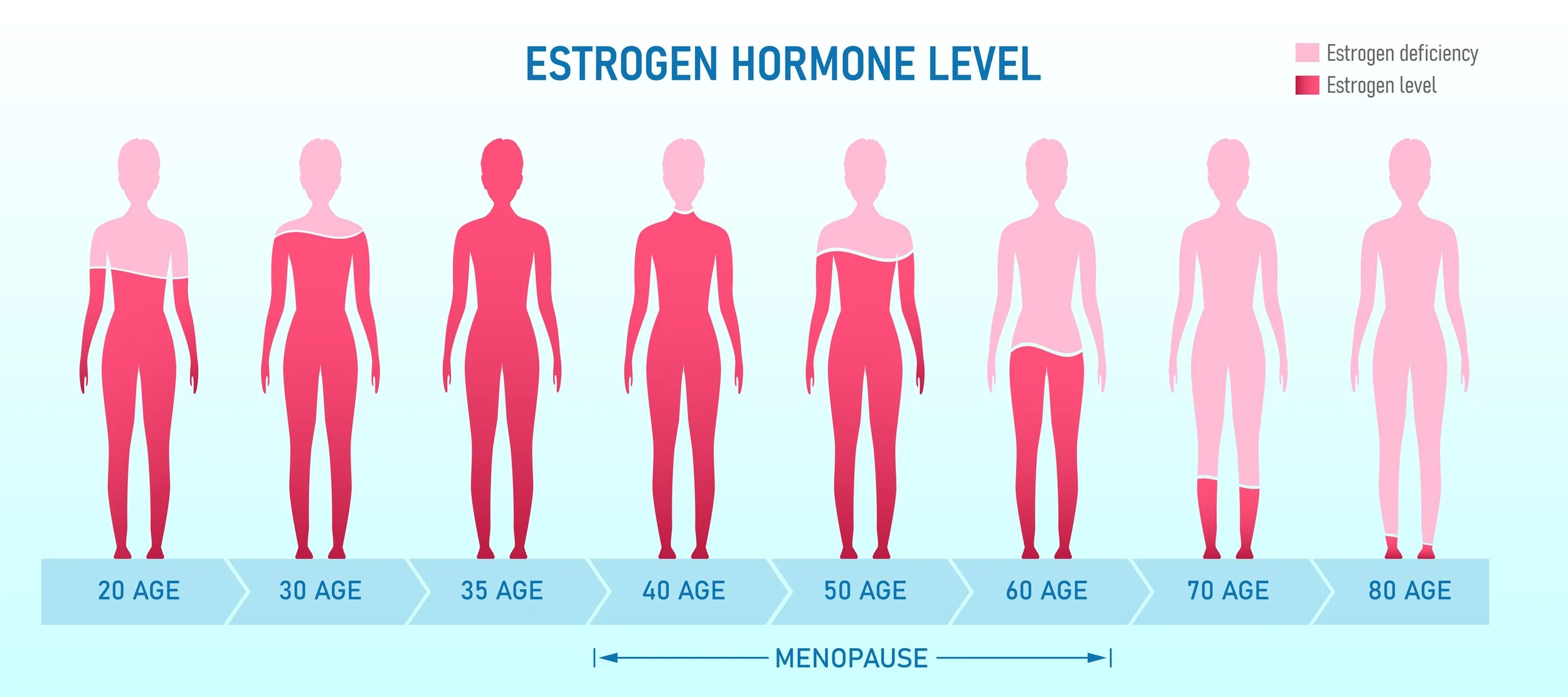
Menopause is not a failure of the body, it’s an inevitable transition every woman goes through. Every woman. Transitions deserve support, not silence and complete facts.
Removing the HRT black box doesn’t mean hormones are the right answer for everyone. It means the conversation is finally becoming honest, individualized, and rooted in modern evidence.
Your symptoms are real. Your questions are valid. And your options are broader than you may have been led to believe.
In this stage of life, wellness isn’t about pushing through discomfort, it’s about understanding your body well enough to support it wisely. If you want to be and get strong during your transition, look no further than our strength training program. Meet with me at https://calendly.com/adriencotton/meet.