
From Pain to Power: Three Women Who Found Relief Through Pelvic Floor Therapy
How one often-overlooked form of physical therapy is helping women rediscover strength, confidence, and comfort in their own bodies.
Pelvic floor therapy isn’t just about treating “women’s health” issues—it’s about empowering people to move, live, and love without pain or fear. These three women’s stories show what’s possible when we start talking about the muscles no one talks about.
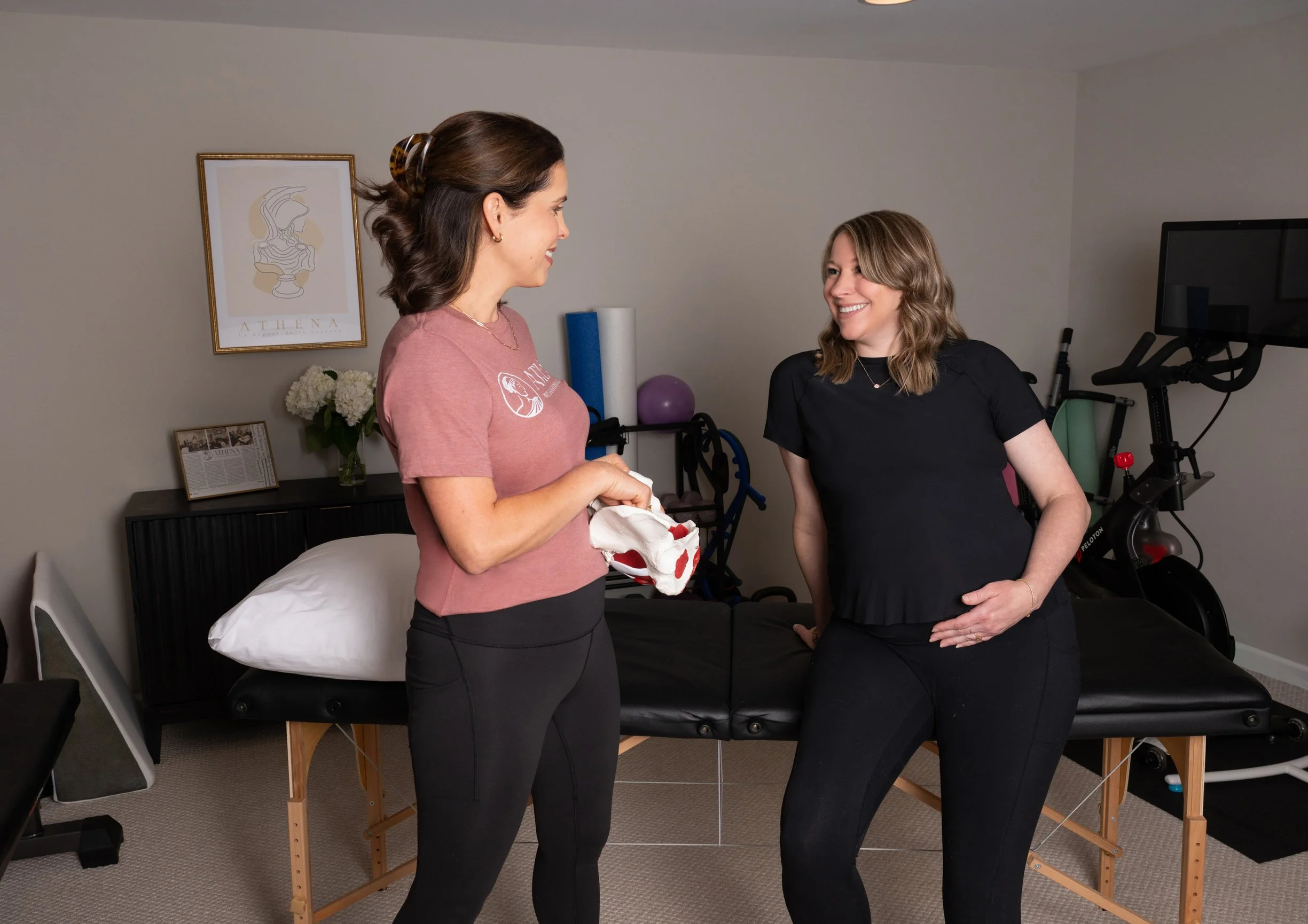
When I tell people I’m a pelvic floor physical therapist, I usually get a puzzled look—or a hesitant, “Wait… what exactly is that?” The truth is, many women don’t realize how much this hidden group of muscles affects their everyday lives.
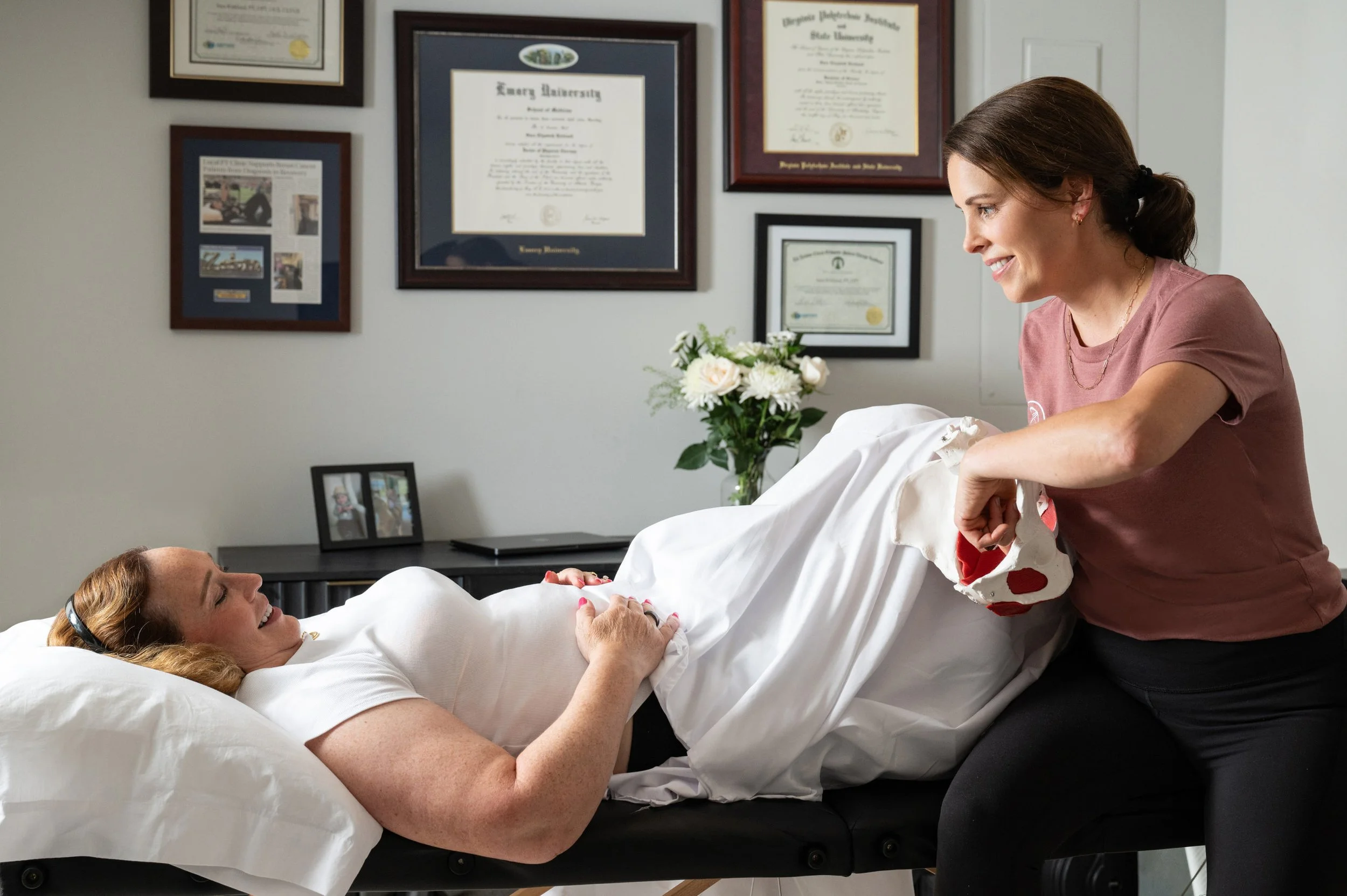
The pelvic floor is a network of muscles, ligaments, and connective tissue that stretches from the pubic bone to the tailbone, forming a supportive “hammock” for the bladder, rectum, and, inwomen, the uterus. When these muscles become weak, tight, or uncoordinated, the effects canripple throughout the body—causing pain, bladder leaks, and even back or hip problems. Here are three real stories of women who found freedom and confidence again through pelvic floor therapy.
1. Finding Comfort Again
Patient A, 48, came to therapy because sex with her husband had become painful—so much so that she began avoiding intimacy altogether. During her evaluation, we discovered that some muscles along inner thigh were tense and overactive. These tight thigh muscles were also contributing to the painful sex. This was something she’d never have guessed could be the culprit.
We used a combination of internal pelvic floor muscle release techniques, progressive vaginal dilator training, and we also treated those tight thigh muscles with massage, cupping, and mobility exercises. Over the next several weeks she became pain free and thrilled to reconnect with her partner without fear or discomfort!
2. Strength After Baby
Patient B, a young mother, had been living with chronic low back pain and a pronounced diastasis recti (abdominal separation) since giving birth. She was afraid to exercise, worried she’d make the separation worse.
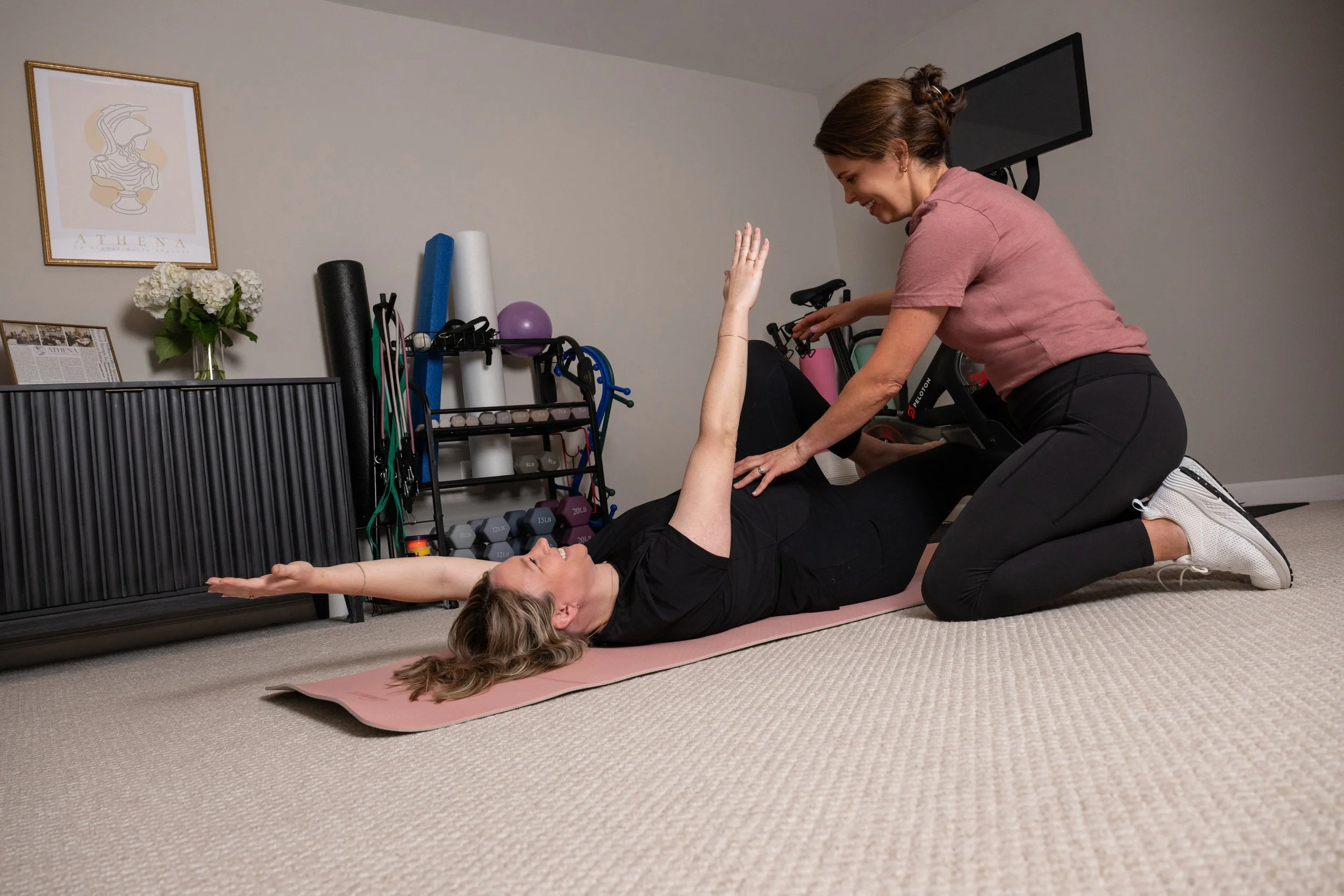
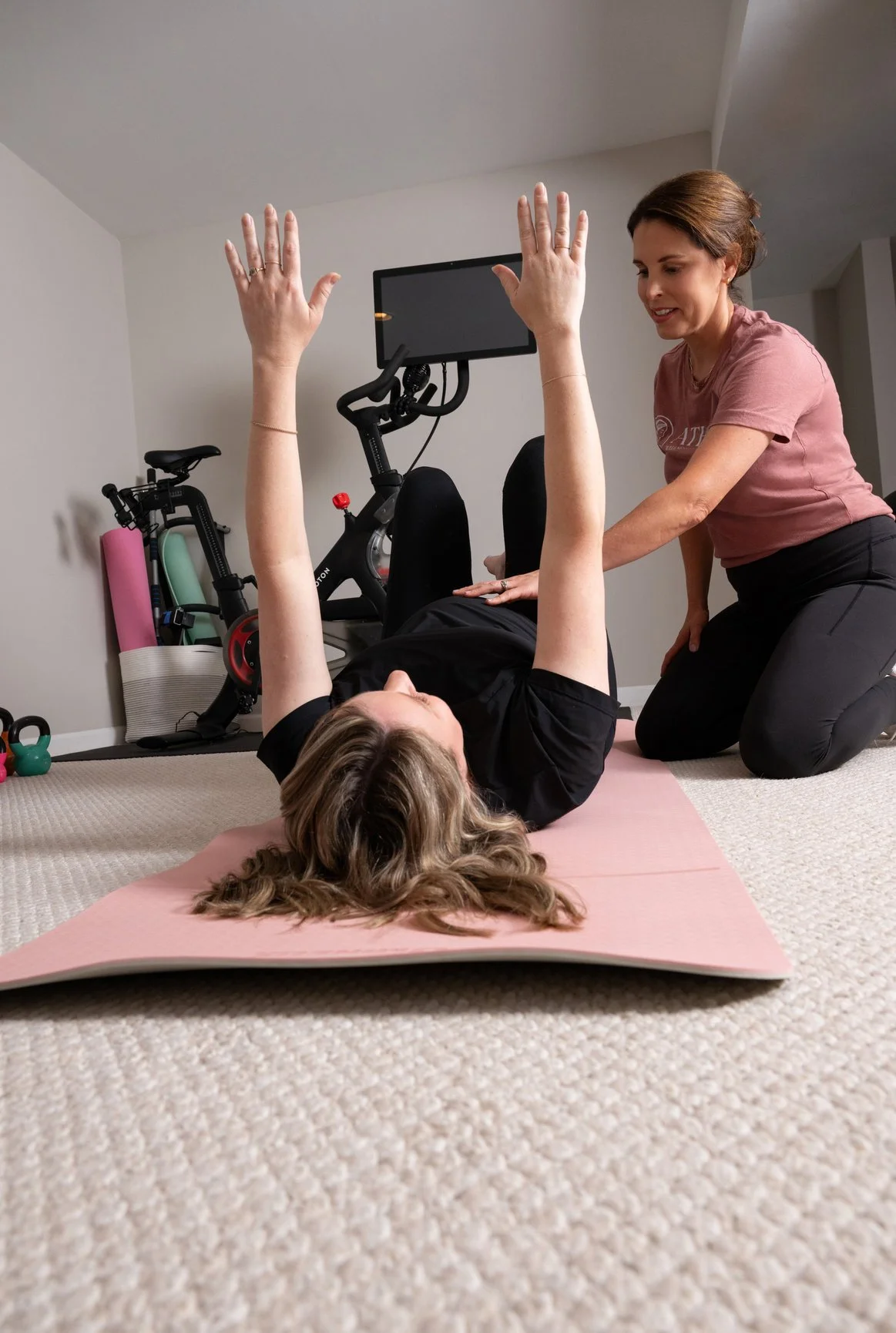
During her sessions, we found her deep core muscles and pelvic floor weren’t working together as a team. Through breathing techniques, core-strengthening exercises, and gradual progressions, she learned how to rebuild her foundation from the inside out. Today, her separation is nearly closed—but more importantly, she’s back to lifting her kids, working out, and moving through life without pain.
3. Saying Goodbye to Leaks
Patient C, 66, an active retiree, came in frustrated that she leaked urine during long walks and every time she sneezed. Stress urinary incontinence—leakage brought on by pressure like coughing or laughing—is incredibly common, yet often under-discussed.
Her assessment showed tight pelvic floor muscles and poor coordination with her breathing muscles. We focused on pelvic floor muscle release, breathing exercises to improve rib cage mobility, and strengthening to restore control. By the end of therapy, she was walking miles with friends and sneezing without a second thought—relieved, confident, and dry.
Why Pelvic Floor Therapy Matters
Pelvic floor issues are widespread but rarely talked about. They can affect women at any age—after childbirth, during menopause, or simply from the demands of daily life. Yet too often, people assume they just have to live with pain or leaks.
Contrary to popular belief, “just doing Kegels” isn’t always the fix. Some people need to strengthen these muscles; others need to release and retrain them. Pelvic floor physical therapists are uniquely trained to evaluate how the core, breath, and pelvic floor work together—and to create a tailored plan that restores comfort and function.
From Taboo to Empowerment
What these women discovered—and what I see every day—is that pelvic floor therapy isn’t just about physical healing. It’s about reclaiming confidence, connection, and a sense of control over your body. If you experience pain, leakage, or pressure, know that you’re not alone—and that help exists. With the right support, relief is not only possible, it’s powerful.
SEE ALSO: As a Physical Therapist, I'm Redefining "Normal" for Women's Health