
Symptoms Women Are Told to Ignore — But Shouldn’t
Women are incredibly good at pushing through discomfort.
We are often taught to normalize pain, leakage, pressure, stiffness, and exhaustion as “just part of motherhood,” aging, menopause, or recovery after cancer treatment. Many women spend years quietly dealing with symptoms that affect their confidence, exercise routines, relationships, sleep, and quality of life without realizing help is available.
The truth? Many of these symptoms are common, but they are not necessarily normal.
At 11:47 PM, after another frustrating day of wondering if something is “just part of being a woman,” many women find themselves Googling things like:
“Why do I pee when I jump or sneeze?”
“Why does intercourse still hurt months after having a baby?”
“Why does it feel like something is falling out after having a baby?”
“Why does my chest still feel tight and sore after breast cancer treatment?”
“Why are my low back and hips achy after having kids?”
If any of these sound familiar, know that you are not alone — and that your body may be asking for support, not dismissal.
Leakage After Childbirth Isn’t Something You Just Have to Accept
If you leak urine when you cough, laugh, sneeze, jump, or exercise, you are far from alone. But urinary leakage after childbirth, or at any point in life, is not something you simply have to “live with forever.”
Many women assume leaking is just part of having kids or getting older. Others avoid workouts, wear liners daily, or constantly plan around bathroom access because they think nothing can be done.
In reality, pelvic floor physical therapy can often significantly improve urinary leakage without surgery or medication.
And it is not just a “mom problem.” A recent study found that nearly half of adolescent female athletes under 19 reported leaking urine during sports participation.
Pain During Intercourse Deserves Attention
Pain during intercourse is one of the most under-discussed issues women experience after childbirth and during menopause.
Some women notice burning, tightness, dryness, or pelvic pain long after they are “supposed” to be healed. Others develop discomfort during perimenopause or menopause as hormonal changes affect tissue elasticity and muscle tension.
Because the topic feels personal or embarrassing, many women suffer silently.
But pain with intercourse is not something you should simply endure. Pelvic floor dysfunction, scar tissue, muscle tension, hormonal changes, and core weakness can all contribute.
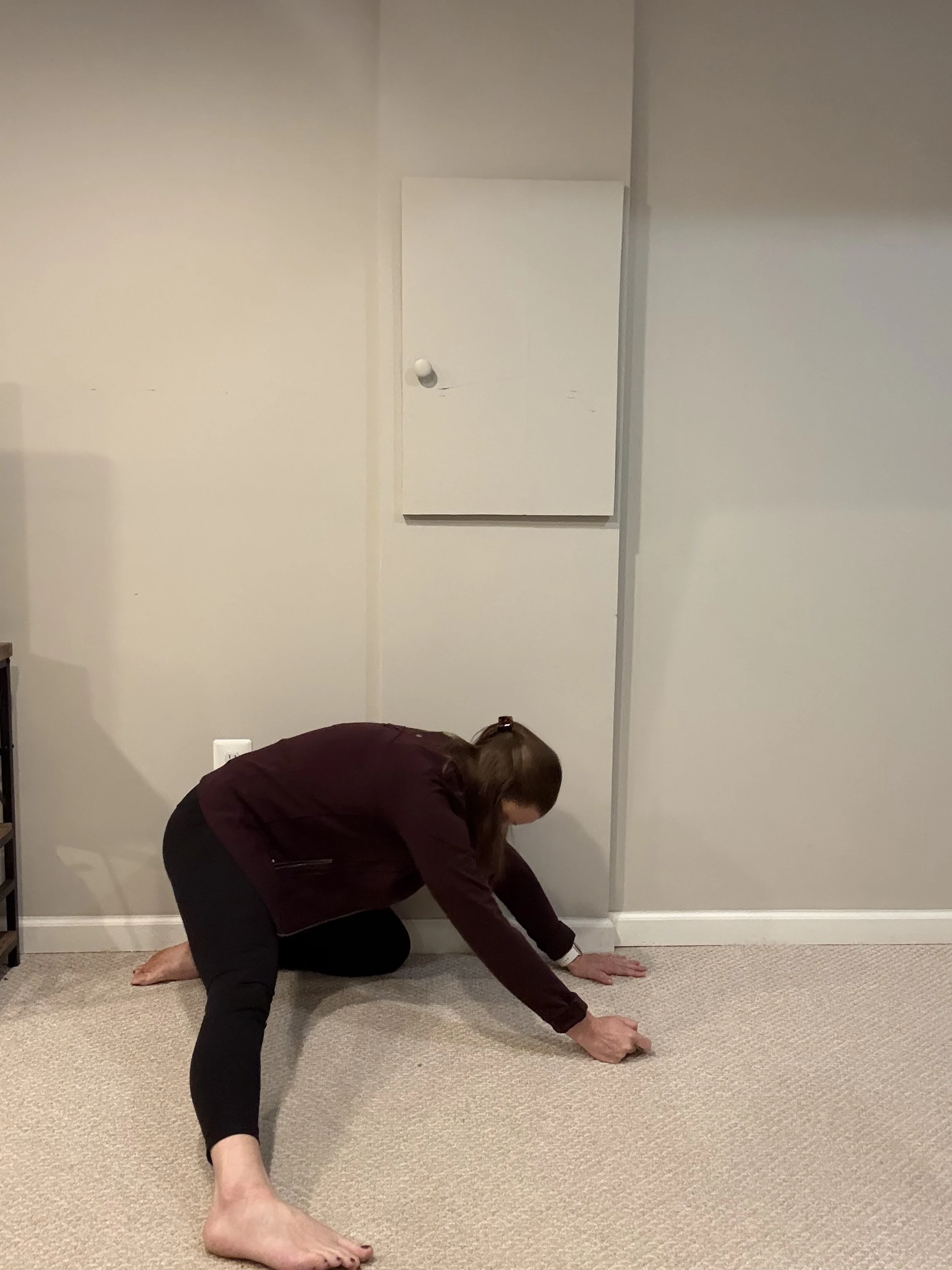
And sometimes, the problem is not actually the pelvic floor itself. Tightness in surrounding muscles, including the hips and adductors, can also play a role. A more holistic evaluation can often uncover pieces of the puzzle women did not even realize were connected.
That Feeling of Pressure or Heaviness Is Worth Paying Attention To
A feeling of heaviness, pressure, bulging, or a “tampon-like sensation” in the pelvis may be a sign of pelvic organ prolapse or pelvic floor dysfunction.
Many women describe:
Pelvic heaviness at the end of the day
Pressure when standing or exercising
A dragging sensation in the vagina
Feeling like something is “falling out”
These symptoms are common postpartum, but they should not simply be dismissed — especially if they continue for months or worsen over time.
The good news is that early treatment can make a major difference and may help prevent symptoms from progressing later.
Breast Cancer Recovery Is About More Than Survival
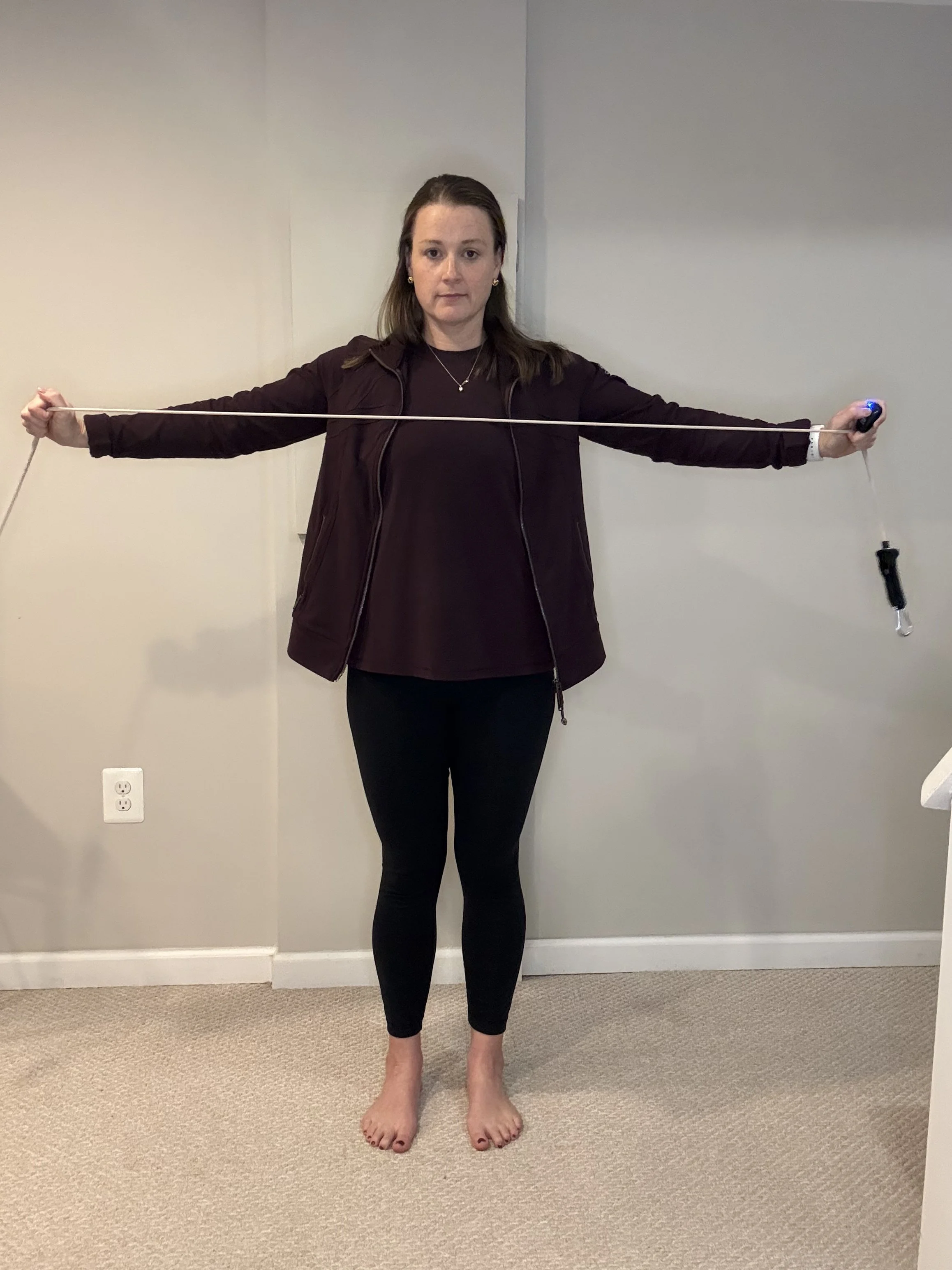
After breast cancer treatment, many women experience tightness, soreness, swelling, stiffness, or restricted movement through the chest, ribs, shoulder, and upper back.
Sometimes women are told this is simply the “new normal” after surgery or radiation. But many people do not realize how much physical therapy can help improve mobility, posture, scar tissue restrictions, pain, and overall function.
Specialized therapy may also help reduce the risk of lymphedema and improve comfort with daily movement and exercise.
And while it is never too late to improve mobility, women often respond more quickly when treatment starts earlier before years of compensation patterns build up.
Women deserve support not just for surviving cancer, but for fully living afterward.
Your Body May Need More Than Stretching
Many women develop ongoing back, hip, or SI joint pain during pregnancy or postpartum and assume it is simply the price of motherhood.
But persistent pain is often connected to deeper issues involving breathing mechanics, posture, core coordination, and pelvic floor function.
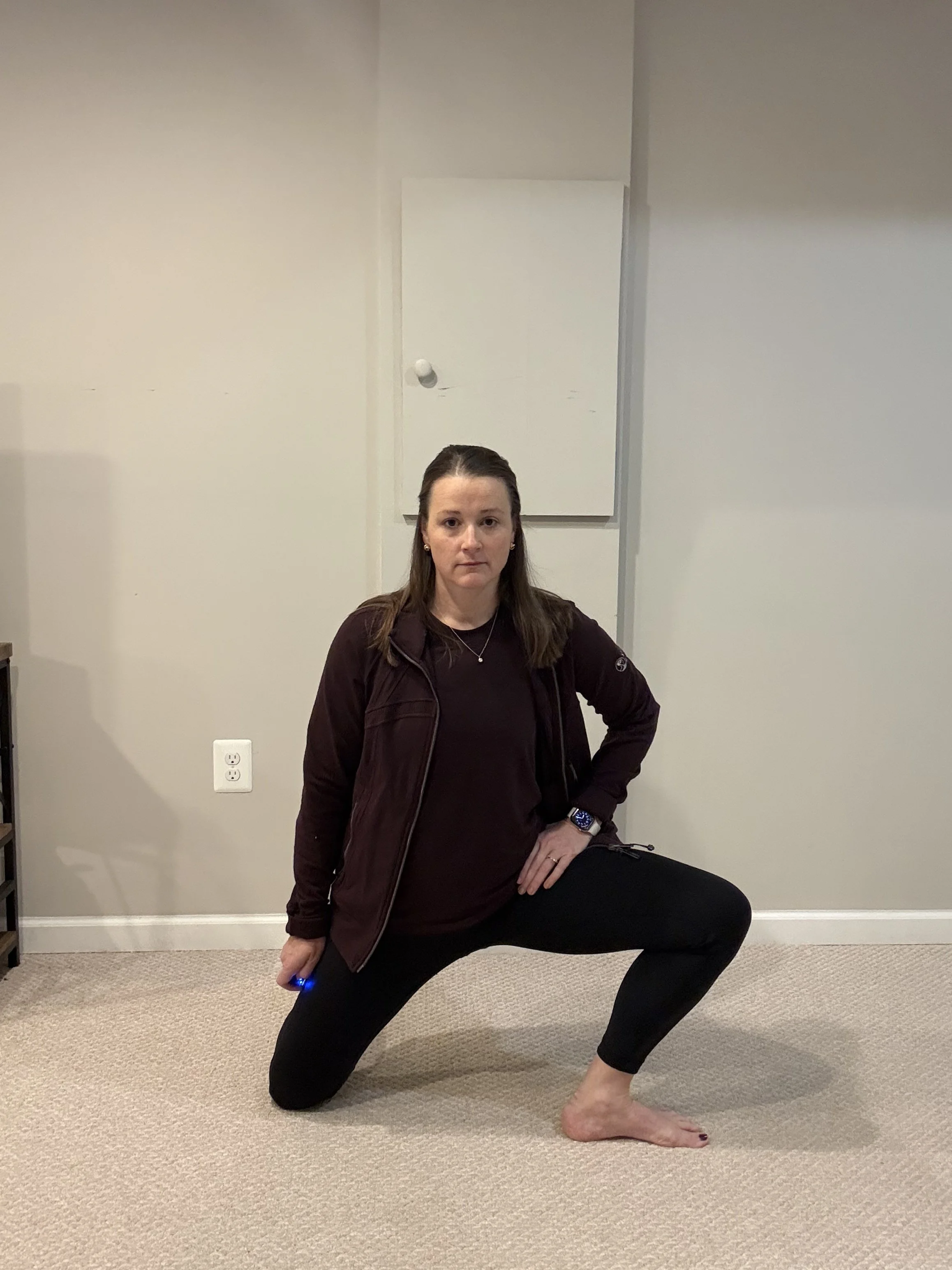
The pelvic floor works together with the diaphragm, abdominal muscles, hips, and spine as part of a larger system. When one area is not functioning well, the body often compensates somewhere else.
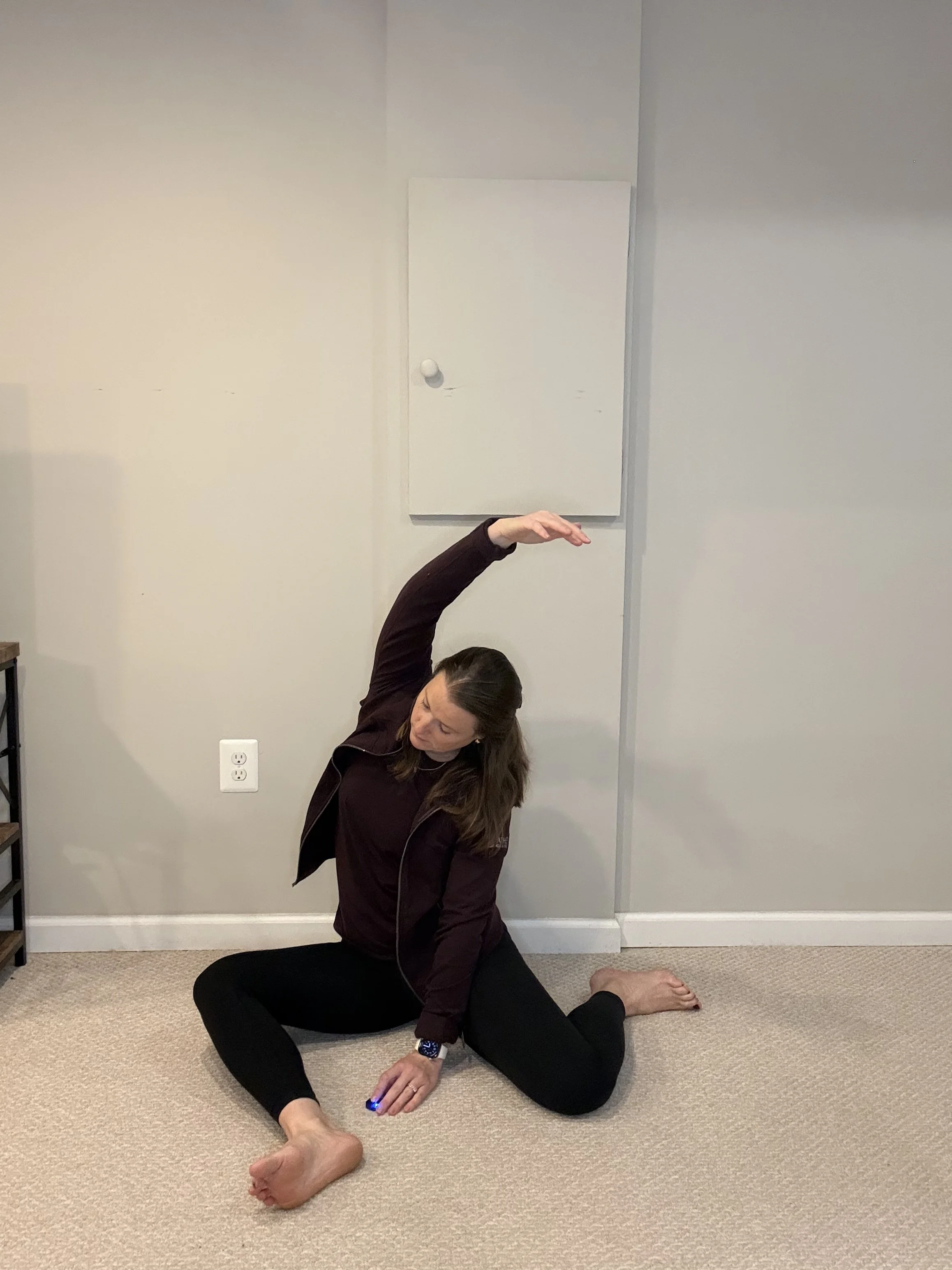
If you constantly feel tight, unstable, achy, or sore — especially after pregnancy — your body may be asking for support, not just another stretch routine.
You Don’t Have to “Just Live With It”
Women are often told their symptoms are simply part of aging, motherhood, menopause, or recovery. But accepting discomfort as inevitable can delay treatment for years and leave women feeling frustrated, exhausted, and disconnected from their bodies.
At Athena Wellness and Physical Therapy, our goal is to change that narrative. We want women to understand why they are experiencing these symptoms and to know they are not alone.
Conversations about leaking, pelvic pain, pressure, painful intercourse, and postpartum recovery should not feel embarrassing or taboo.
Your body changing does not mean you have to tolerate pain, leakage, or pressure forever.
Whether symptoms started after childbirth, surgery, menopause, or gradually over time, pelvic floor physical therapy can provide answers, treatment options, and relief.
And most importantly — it is never too late to start feeling better.
SEE ALSO: That Nagging, Stiff and Painful Shoulder – What Is Going On?