
The “Forgotten” Muscles of Women Over 40: Why Sexual Health Deserves Attention
For women in perimenopause, menopause, and post menopause the stories are the same:
"Sex hurts."
"My libido is low or non-existent."
"Sex is not as satisfying."
"I am exhausted."
"Intercourse feels like razor blades in my vagina."
"Orgasms are elusive."
"I can no longer connect intimately with my partner."
These stories are heartbreaking, and I applaud those women who have courageously come to me to express their intimacy concerns. It’s time we talk about just how important these issues are to our midlife health and wellness.

This article was inspired by the increasing number of women who have opened up to me lately about their frustrations around sexual intimacy. It may be the holidays, and women want to snuggle up with their partners, yet many are filled with shame and confusion, learning to keep it all inside (no pun intended!).
Join me for a webinar on January 23, 2026, from 12PM-1PM ET, where we will dive into these topics (and more!) in a discussion about sexual wellness post-age 40. I plan to make the case for adding a new routine for self care: Your sexual health.
Speaking Out About Sex
Many women in perimenopause and menopause experience changes in sexual desire, arousal, and comfort. Hormonal shifts, muscle weakening, and even emotional changes can make sex feel more like a stressor than a source of connection and joy.
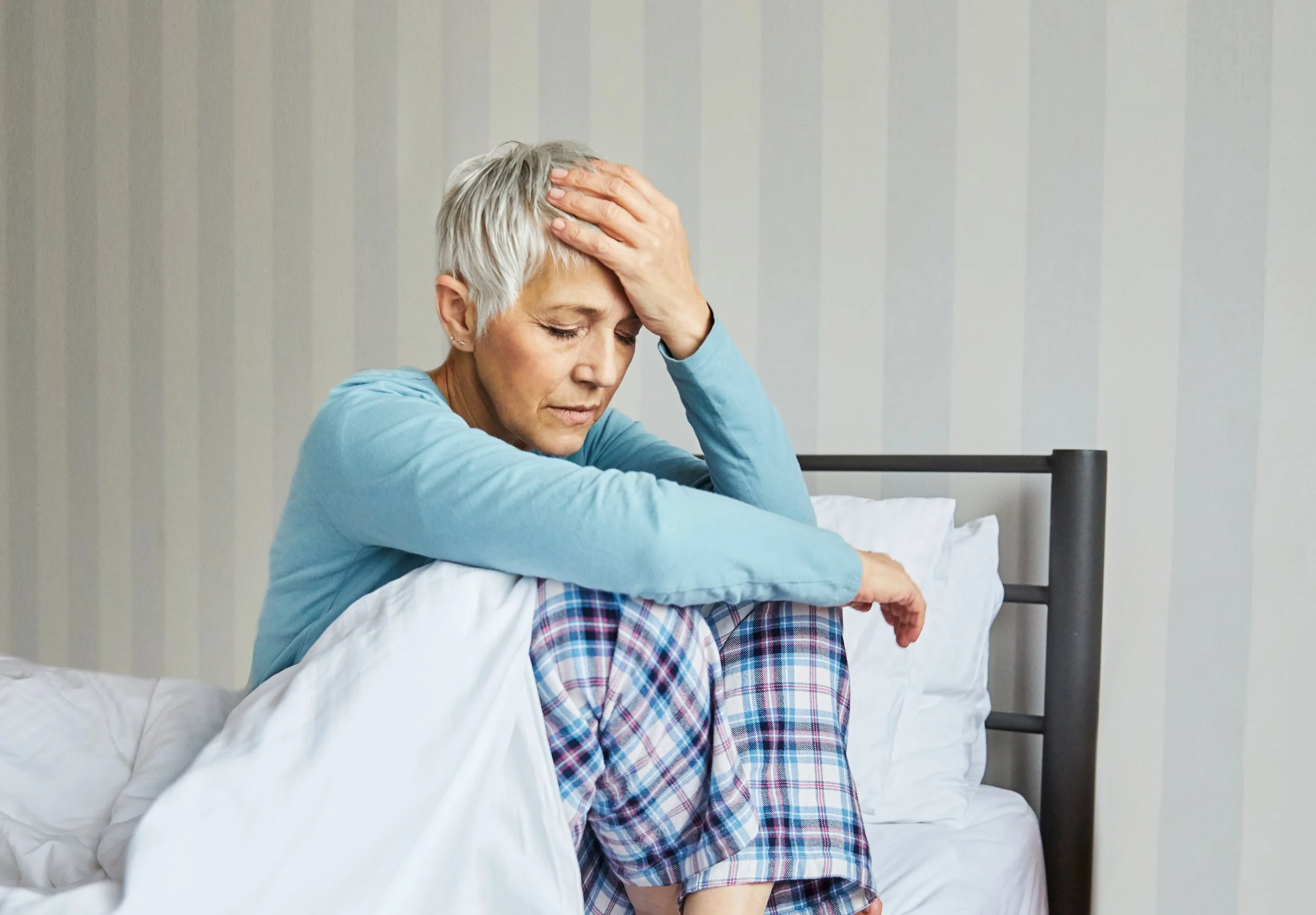
And, like the other challenges related to sex, these issues are often not discussed. They might be met with skepticism from our doctors, or worse yet – silence. For many of you, your OB/GYN won’t even ask about your sex life! (Ladies, check out my blog post about when it is time to seek the care of a menopause specialist!)
Hormonal shifts and the resulting symptoms can leave women to retreat into silence, confusion, and shame. Too often, couples interpret these changes as rejection, disinterest, or relationship decline, when in reality they are physiological, predictable, and entirely addressable with the right information.
In fact, many relationships are lost unnecessarily during this stage--not because desire disappears, but because communication and understanding does.
This is why education and communication matter. When both partners understand what is happening in a woman’s body, they can navigate this transition together with compassion and clarity rather than fear and distance.
With knowledge, language, and relational tools, couples can move through midlife sexuality with more honesty, closeness, and intimacy than they ever imagined possible. And physically, sexual health depends on muscles and tissue–particularly muscles and tissue that you can train, nourish, and strengthen.

Sexual Health During Menopause
What exactly is happening in the body as we begin aging, and why is it so hard to not want to recoil when your partner wants to have sex?
First, the decline in estrogen reduces blood flow and tissue elasticity in the vagina and vulva. Vaginal dryness is a top four symptom of perimenopause. It can also create urinary symptoms like urgency, burning, leaking while sneezing, and recurrent UTIs.
Second, changes in testosterone levels affect libido, confidence, and sensitivity. Testosterone enhances libido and the brain’s reward response to sexual stimuli. It influences motivation, assertiveness, and energy levels. It also helps preserve lean mass and bone density. Last, those tiny but mighty muscles also respond to testosterone, maintaining tone and strength.
Third, our pelvic floor weakens. The pelvic floor includes those muscles that support sexual function (and bladder/bowel control) and they lose tone, or “atrophy” just like any other muscles. Yet, we take them for granted. A weak pelvic floor means less likelihood for orgasm.
Fourth, high levels of stress leads to disrupted sleep, already a very common symptom of perimenopause and menopause. The increase in our stress hormone, cortisol, further suppresses our sexual desire and “response” to sex AKA orgasm.
Finally, our relationships can suffer: My colleague Dr. Christine Kiesinger, Communication and Relationship Specialist, who will join our webinar in January, shares that many women enter perimenopause and menopause with little understanding of how profoundly their bodies and their sexual experiences will change. Sadly, even fewer partners recognize or understand why intimacy suddenly feels different.
Sexual Health IS Women’s Health
There are many ways to approach this new post-40 version of yourself. Options range from vaginal estrogen to systemic hormone therapy, from testosterone to the support of skilled professionals who specialize in midlife sexual health. Equally important is opening a thoughtful, honest conversation with your partner.
Other than being a key indicator of hormone health, sexual health IS women’s health. It is key to mental and emotional health, impacts long term health and disease risk, is a major part of women’s identity and confidence, helps women be an advocate for their body, and it strengthens relationships. And relationships are one of the most powerful—and underrated—drivers of longevity, confidence and overall well-being.
On January 23, we’ll address many of these issues in a webinar titled The “Forgotten” Muscles of Women over 40: Why Sexual Health Deserves Strength Training, A guide to women's top sexual health struggles and strategies for relief. I’ve invited my colleague Dr. Christine Kiesinger to join and share practical strategies for inviting partners into a dialogue in a way that feels supportive rather than stressful.
We’ll also introduce products and tools that can help you move from a place of uncertainty or self-doubt to feeling confident, informed, and ready to re-engage with your sexual wellbeing. It’s an exciting conversation—so make sure to snag your spot, today!