
The Back Pain That Won't Go Away… Could Your Pelvic Floor Be the Missing Piece?
You've tried stretching.
You've bought a new mattress.
You've had a massage.
Maybe you've even gone to physical therapy before.
Yet every morning you wake up with that same nagging ache in your low back. Or your back starts hurting after standing at your child's soccer game, carrying groceries, or sitting through another day at your desk.
If this sounds familiar, you are not alone.
As a women's health physical therapist, one of the most common things I hear is:
"I've had back pain for years, and no one can figure out why."
Sometimes the answer isn't actually your back.
Sometimes the missing piece is your pelvic floor.
Wait… What Does My Pelvic Floor Have to Do With My Back?
Most people think of the pelvic floor only when they hear words like pregnancy, urinary leakage, or Kegels.
But your pelvic floor is much more than that.
Think of your core as a team.
The diaphragm sits at the top.
Your abdominal muscles wrap around the front and sides.
The muscles of your back provide support from behind.
And your pelvic floor forms the base of the entire system.
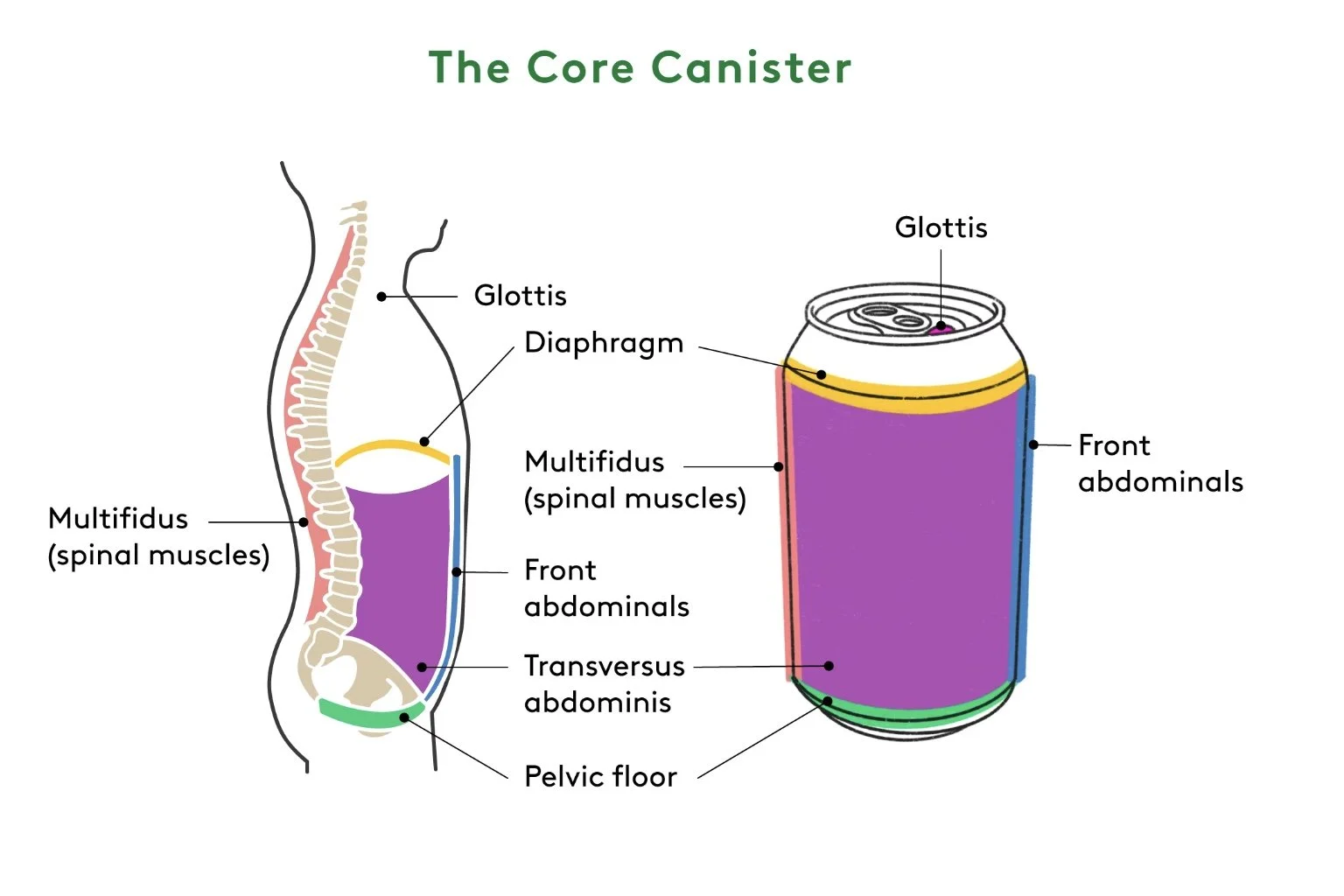
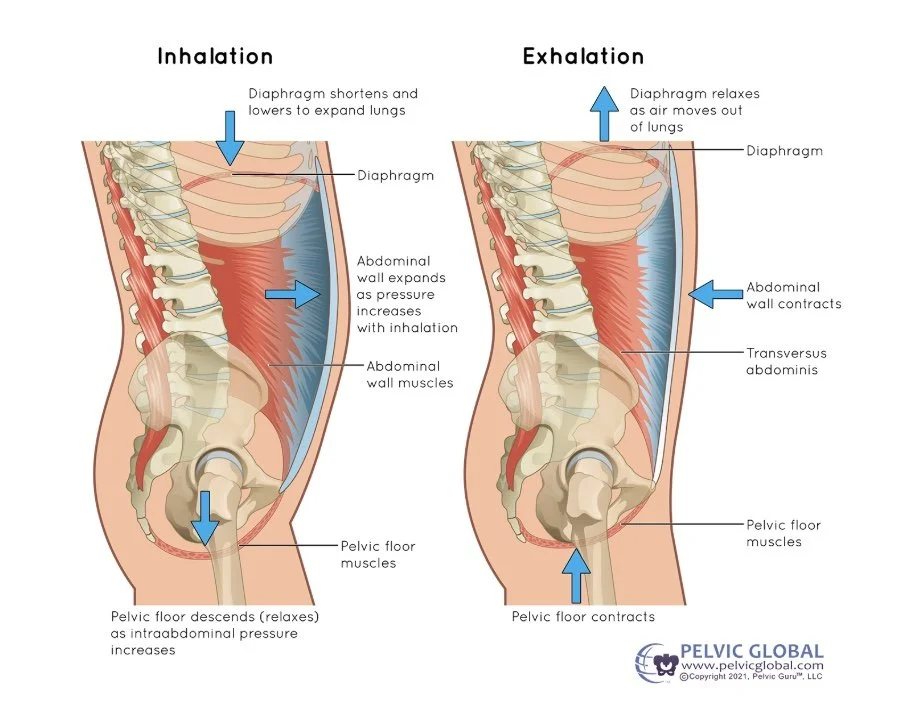
These muscles work together every time you breathe, lift your child, stand from a chair, run, laugh, or simply walk across the room.
When one member of that team isn't doing its job well, the others often work overtime to compensate.
That compensation can show up as persistent low back pain.
It's Not Always Weakness
Many women assume their pelvic floor must be weak.
In reality, we often find the opposite.
The pelvic floor can become overly tight, guarded, or unable to relax properly.
This creates extra tension throughout the hips, pelvis, and low back.
Others may have pelvic floor muscles that are underactive or poorly coordinated after pregnancy, surgery, or years of chronic pain.
These are often really challenging to figure out on your own, which is why a thorough evaluation matters.
Signs Your Pelvic Floor May Be Contributing
Not everyone with pelvic floor dysfunction experiences urinary leakage.
In fact, many women with pelvic floor involvement have no bladder symptoms at all.
Some clues include:
Low back pain that keeps returning despite treatment
Pain around the tailbone or SI joints
Hip pain that alternates from side to side or continues to come back even after treatment
Pain with prolonged sitting or standing
Pain during or after pregnancy
Pain with intercourse
A feeling of pelvic heaviness or pressure
Urinary leakage, urgency, or constipation
Feeling like your core has never fully recovered after having children
Even one or two of these symptoms may suggest it's worth looking beyond the spine itself.
Your Back Isn't the Whole Story
Imagine driving a car with one tire that's out of alignment.
You could keep replacing the tire over and over, but until the alignment is corrected, the problem continues.
Our bodies work similarly.
If your pelvis isn't moving well, your breathing mechanics are off, your core isn't coordinating effectively, or your pelvic floor is constantly gripping, your back may continue to bear the extra load.
Treating only the painful area sometimes provides temporary relief — but doesn't address why the pain keeps coming back.
Looking at the Whole Person
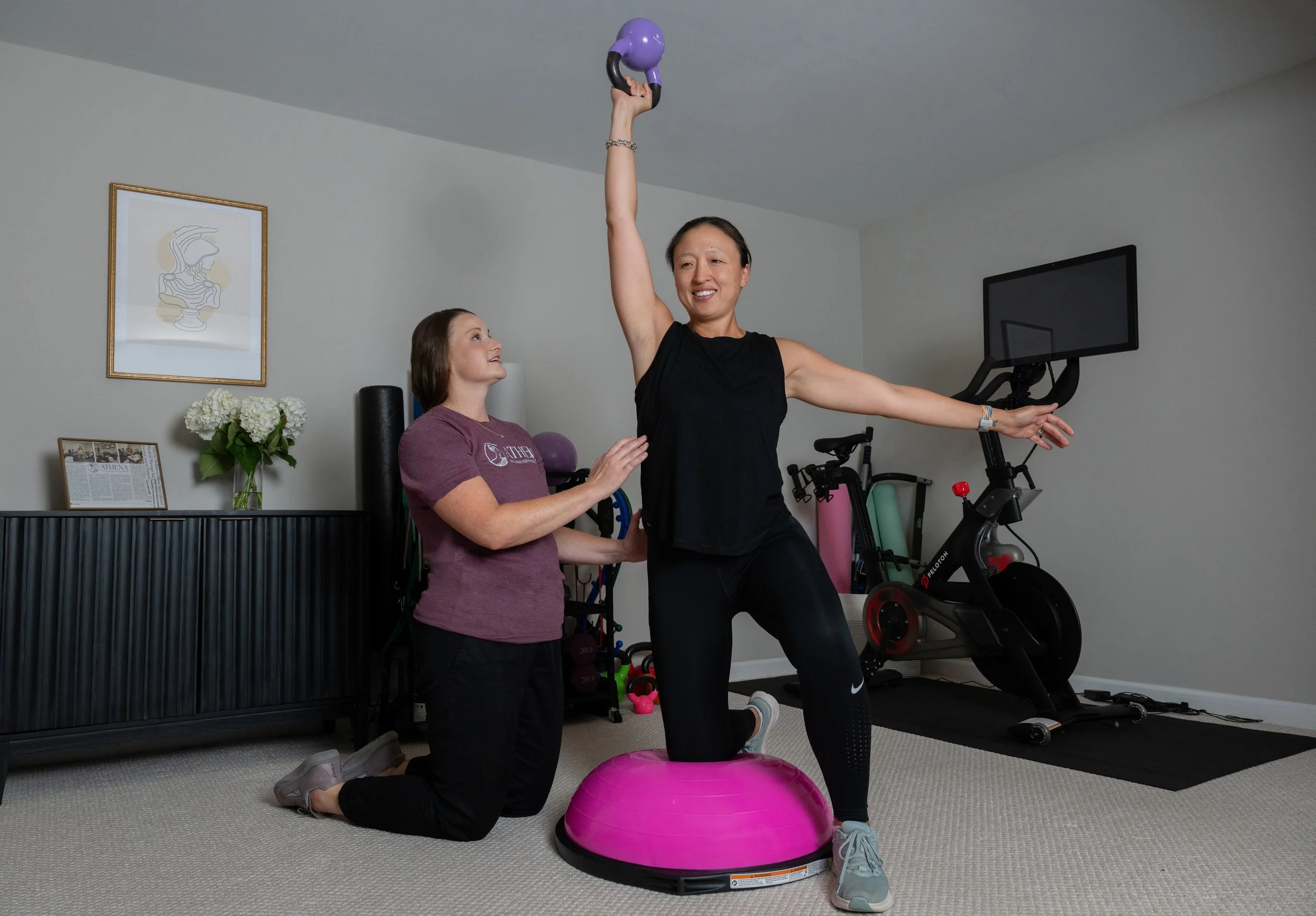
At Athena Wellness & Physical Therapy, we believe lasting results come from understanding the whole picture — not just the place that hurts.
When women come to us with persistent back pain, we don't just look at the lumbar spine. We assess how your posture, breathing, spine, hips, core, pelvic floor, ankles, feet, muscle coordination, strength, daily habits, and lifestyle all work together. Pain is rarely caused by one thing alone, and often the area that hurts is simply compensating for dysfunction somewhere else.
That's why so many women tell us, "No one has ever looked at me this way before."
If you've tried stretching, strengthening, chiropractic care, injections, or even traditional physical therapy and still feel like you're missing answers, it may be time to take a different approach.
Rather than simply treating your symptoms, we work to uncover why they're happening in the first place.
Too many women accept back pain as the price of motherhood, aging, or a busy life. But pain is information — it's your body's way of asking for attention, not something you simply have to push through.
Sometimes the key to finally relieving persistent back pain isn't your back at all. It's understanding how your entire body — including your pelvic floor — is working together.
Our goal is to help women move with confidence, return to the activities they love, and feel empowered in their bodies again. Because you deserve more than temporary relief — you deserve lasting answers.