
What Is Vulvodynia and Why Do So Many Women Go Undiagnosed?
Vulvar burning, rawness, stabbing, acid-like pain, and itching are just some of the symptoms people with vulvodynia may experience. Pain with urination, inserting a tampon, or intense pain with penetrative intercourse are also common complaints. Others may experience significant discomfort from pressure on the vulva caused by clothing or prolonged sitting.
Vulvodynia currently has a broad definition: vulvar pain of unknown cause lasting at least three months. Because it is a diagnosis of exclusion, getting help can be elusive for many people. Vulvovaginal pain remains a taboo topic, with many feeling too embarrassed to discuss it with their doctor or even close friends, which only prolongs suffering. Even when someone does seek care, it may take visits to multiple providers before receiving an accurate diagnosis—if they are diagnosed at all.
Getting Diagnosed
If you suspect you have vulvodynia, the first step is to see a gynecologist or urogynecologist with experience in treating vulvovaginal pain. Some patients are misdiagnosed or dismissed before reaching a knowledgeable specialist.
The pain associated with vulvodynia can stem from multiple causes. These may include tightness of the pelvic floor muscles, nerve entrapment, skin or dermatologic conditions, infections, hormonal imbalances, allergic reactions, and immune factors. Your doctor should take a thorough medical history, discuss your symptoms in detail, and perform a comprehensive examination of the vulva, vagina, and vaginal secretions to guide diagnosis. In some cases, they may use a magnifying instrument to examine the skin more closely or take a biopsy. A cotton swab test is often performed to assess tenderness to touch or pressure, which can indicate provoked vulvodynia.
Treatment
Treatment is typically guided by the underlying cause of symptoms, so it varies from person to person—there is no one-size-fits-all approach. Some individuals respond well to topical treatments applied to the affected area, while others may require oral medications, such as SSRIs or gabapentin, to address nerve pain. Your doctor may also refer you to a dermatologist or neurologist.
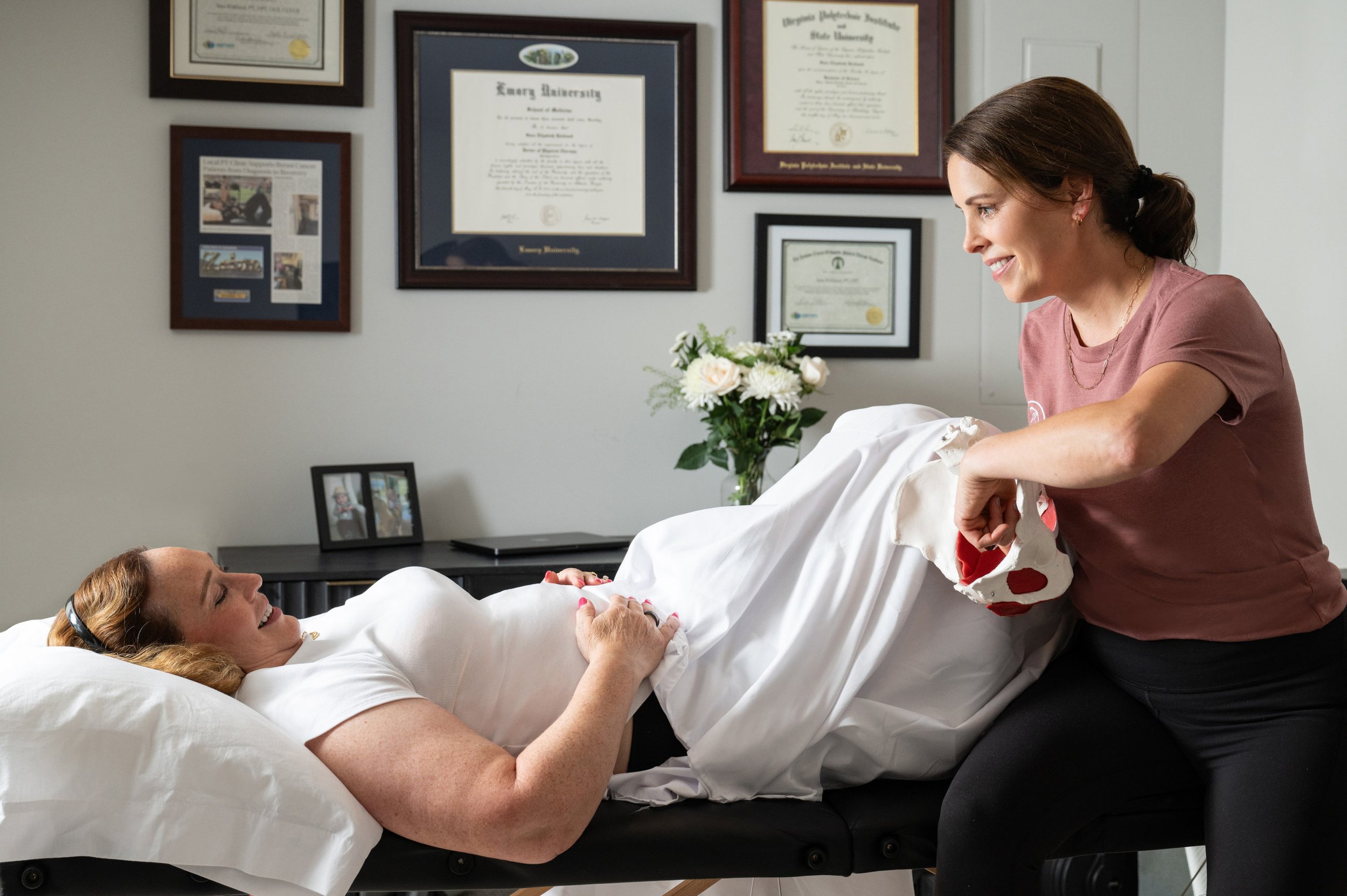
Pelvic floor physical therapy is commonly used to treat both localized and generalized pain. Tight pelvic floor muscles can decrease blood flow and oxygenation to the vulvar tissue, which can exacerbate pain. In pelvic floor physical therapy, treatment often includes a combination of manual therapy to release muscle tension and trigger points, vaginal dilator training, breathing techniques, and targeted exercises to alleviate symptoms.
Surgical intervention is generally considered a last resort but may be appropriate in certain cases. Overall, many people benefit most from a multidisciplinary approach to care.
The Key Takeaway
Vulvodynia is real, treatable, and more common than many realize—but it is often overlooked due to stigma, complexity, and gaps in awareness, even among healthcare providers.
If you suspect you may have vulvodynia, the most important first step is to seek care from a provider experienced in vulvar pain, such as a gynecologist, urogynecologist, or pelvic floor physical therapist. With the right team and approach, many people experience significant relief and an improved quality of life. Most importantly, you do not have to suffer in silence.
Upcoming Event
If you are interested in learning more or connecting with others on this topic, we invite you to join us for a screening of the film Lady Parts on May 17 at 6:00 PM at the Patagonia Theater in Old Town.
This powerful film, based on a true story, follows a young woman navigating years of vulvar pain, challenges within the healthcare system, and ultimately undergoing a vulvar vestibulectomy. It highlights important themes such as self-advocacy, medical gaslighting, and the stigma surrounding women’s sexual health.
Following the screening, we will participate in an expert panel discussion alongside other local women’s health providers. Attendees will have the opportunity to ask questions and learn more.

Tickets: https://ladypartsfilm.com/screenings/the-patagonia-theatre-arlington-va
We hope to see you there!
Resources:
Tight Lipped: https://www.tightlipped.org/
National Vulvodynia Association: https://www.nva.org/
The Pelvic People: https://thepelvicpeople.com/
SEE ALSO: That Nagging, Stiff and Painful Shoulder – What Is Going On?