
Your Body Has Changed. Has Your Bra?
From pregnancy to perimenopause, why the right support matters more than you think.
When was the last time you were professionally fitted for a bra? If you can’t remember, it may be time for a refresh.
As a chiropractor, I regularly see women with neck pain, shoulder tension, upper back discomfort, headaches, and muscle fatigue. These symptoms can have many causes, but one factor is often overlooked: inadequate breast support.
Pregnancy, breastfeeding, weight fluctuations, perimenopause, and menopause can all change breast size, shape, and tissue composition. Yet many women continue wearing the same bra size for years.
An ill-fitting bra is more than a fashion inconvenience. It may contribute to unnecessary strain, discomfort, and irritation throughout the neck, shoulders, and upper back. That is one reason I recommend professional bra fittings to many of my patients.
Your Shoulders Weren’t Designed to Do All the Heavy Lifting
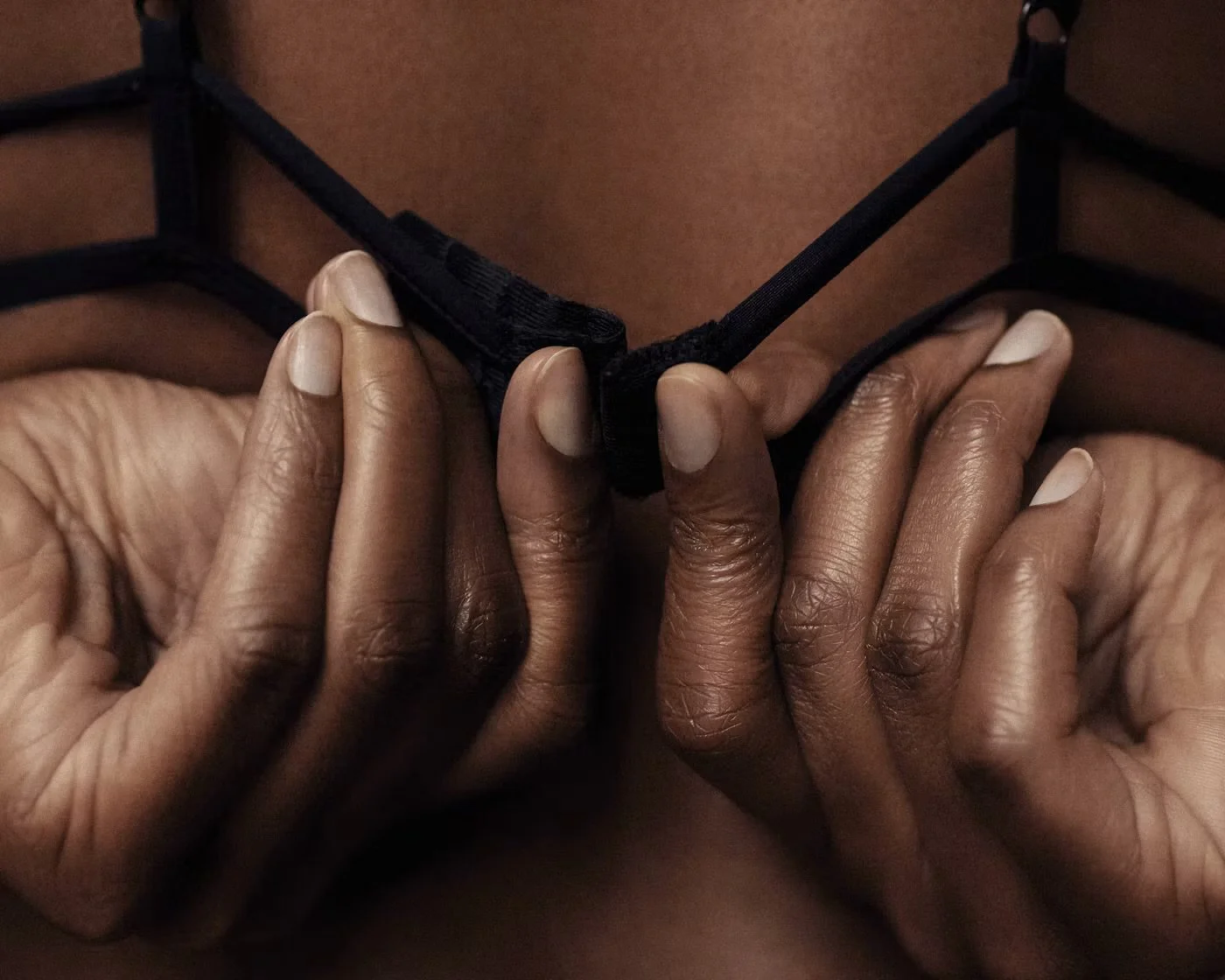
When a bra’s band does not provide enough support, the shoulder straps may carry too much of the breast weight. Tight or narrow straps can leave deep indentations, tenderness, numbness, and irritation.
Over time, this may contribute to muscle fatigue, tightness, and pain in the neck, shoulders, and upper back. I often see this pattern in patients who spend their days at a desk, care for children, exercise regularly, or already have tension through their upper body.
If you are constantly adjusting your straps or feel immediate relief when you take your bra off, your fit may be part of the problem.
A properly fitted bra will not correct every source of pain, but it can help distribute weight more comfortably and reduce unnecessary pressure on the shoulders and upper back. That is why I recommend starting with a professional fitting when a patient is experiencing these symptoms and their current bra is clearly not providing adequate support.
Your Bra Size Isn’t a Lifetime Commitment
Pregnancy, breastfeeding, weight changes, and hormonal shifts during perimenopause and menopause can all affect bra fit—even when your weight stays relatively stable.
The size you wore at 25 may not be the size you need at 45, and that is perfectly normal. Breast tissue, skin elasticity, and body composition change over time. A professional fitting can help ensure that the band, cups, and straps are supporting your current body rather than the body you had years ago.
In my practice, I encourage women to think of a bra fitting as part of routine self-care, especially during major life stages or whenever their comfort and support have changed.
Don’t Forget Your Sports Bra
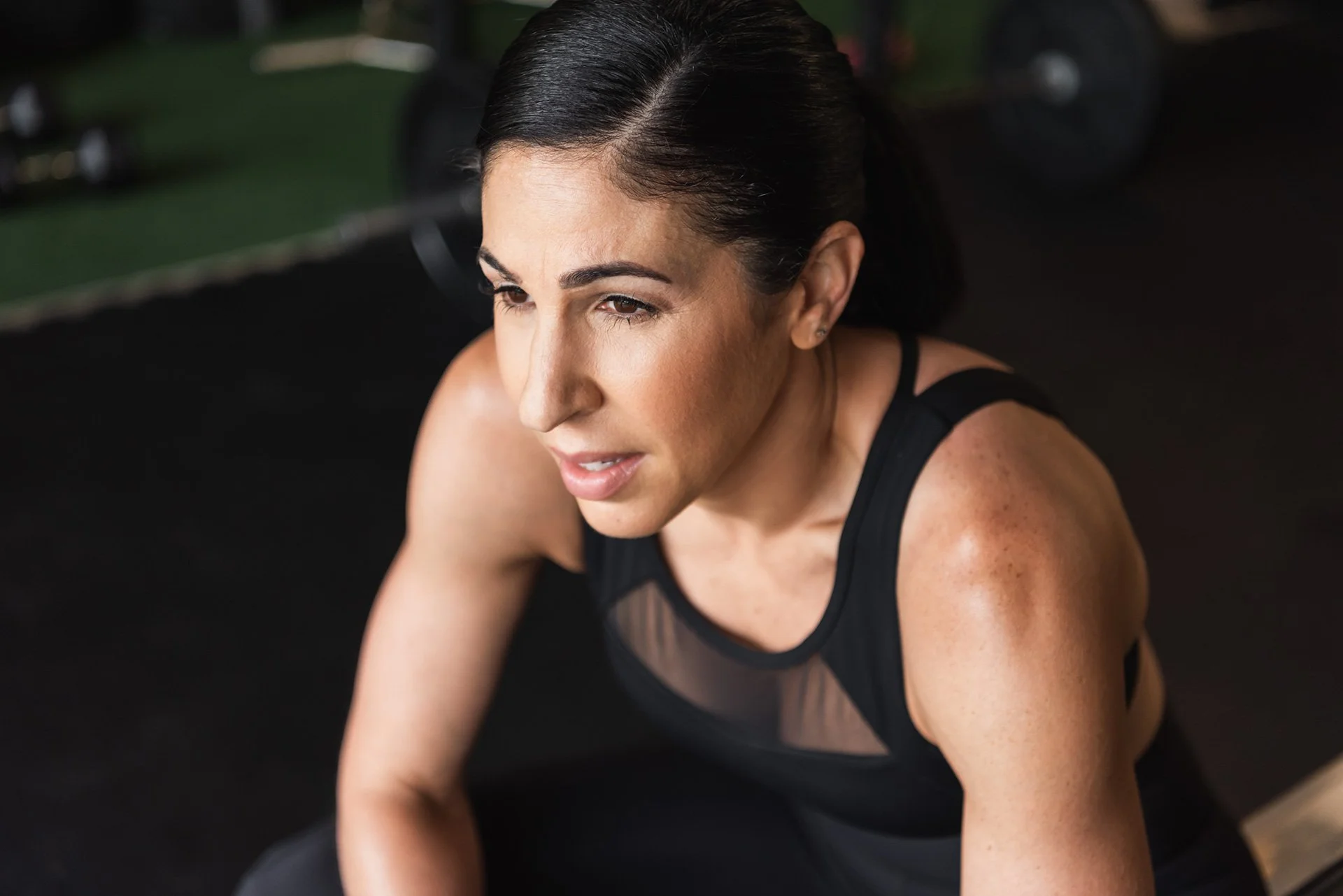
Your sports bra deserves attention, too. During exercise, inadequate support can contribute to discomfort and may cause you to change your form, limit your activity, or avoid certain exercises.
As a chiropractor, I see how discomfort can affect the way people move. When you are distracted by breast movement, pressure, or painful straps, you may unconsciously alter your posture, breathing, or exercise technique.
A good sports bra should minimize movement without digging into your shoulders, restricting your breathing, or creating painful pressure across your ribs.
Your workout should challenge your muscles, not your bra straps!
Three Signs It’s Time for a New Fitting
1. Your straps are digging into your shoulders.
The band should provide much of the support. Deep indentations, redness, numbness, or tenderness may indicate that your straps are working overtime.
2. Your band rides up your back.
A band that creeps toward your shoulder blades may be too loose or otherwise poorly fitted. It should sit comfortably and relatively level around your torso.
3. You’re experiencing spilling, gaping, or constant readjustment.
If you are continually pulling, adjusting, or repositioning your bra, it is probably time to reassess your fit. Constant readjustment is often a sign that your bra is not supporting your current breast shape or size.
A Little Support Can Make a Big Difference
Neck and shoulder pain can have many causes, including muscle tension, posture, repetitive activities, previous injuries, and inadequate support. A better-fitting bra will not resolve every problem, but it may reduce unnecessary strain and improve everyday comfort.
This is why I recommend professional bra fittings to patients who are experiencing discomfort and may not be getting adequate support from their current bras. It is a simple, practical step that can complement the movement, strengthening, ergonomic changes, and hands-on care we use to address musculoskeletal symptoms.
Fortunately, Bloomers on King Street in Old Town Alexandria offers complimentary professional bra fittings to help women find the right size, style, and support for their changing bodies.
Bloomers is also offering Alexandria Stylebook readers an exclusive 15% discount with code ALXSTYL.
If discomfort persists, a musculoskeletal evaluation can help identify other contributing factors. Persistent pain, numbness, weakness, or headaches should not be attributed to bra fit alone.
Sometimes feeling better starts with movement, strengthening, or addressing muscle tension. And sometimes, it starts with what’s underneath your shirt.