Why Women Lose Muscle After 40, and Why It Matters More Than You Think
The little-known condition called sarcopenia may be one of the biggest threats to healthy aging. Fortunately, it is also one of the most preventable.
Have you ever looked in the mirror and thought, I'm exercising, I'm eating pretty well, so why doesn't my body feel the same? Maybe your clothes fit differently even though the number on the scale hasn't changed. Carrying groceries feels harder, your posture isn't quite what it used to be, or you notice you're slower to recover after a workout. These changes often happen so gradually that many women assume they're simply part of getting older.
As a chiropractor, I hear these concerns almost daily. Women tell me they feel weaker than they did just a few years ago, despite walking regularly, staying active, and trying to make healthy choices. They wonder if it's their hormones, their metabolism, or if they're simply doing something wrong.
In many cases, the answer has a name: sarcopenia.
Sarcopenia is the age-related loss of muscle mass, strength, and function. Although it affects both men and women, the process often accelerates during perimenopause and menopause as estrogen levels begin to decline. Yet despite its impact on nearly every aspect of healthy aging, most women have never heard the term.
That surprises me because muscle influences far more than how we look in a sleeveless dress or swimsuit. It helps regulate blood sugar, supports metabolism, protects our joints, stabilizes the spine, strengthens bones, improves balance, and gives us the ability to move through life with confidence. Muscle is one of the greatest predictors of independence later in life. It determines whether climbing stairs feels effortless or exhausting, whether lifting a grandchild is enjoyable or painful, and whether recovering from an illness or injury takes weeks or months.
Unfortunately, muscle is something we often don't think about until we've already lost some of it.
Beginning around age 30, adults naturally lose a small amount of muscle each decade. For women, that decline often speeds up dramatically during the menopausal transition. Estrogen plays an important role in muscle repair and protein synthesis, so as hormone levels fluctuate, building and maintaining lean muscle becomes more challenging. Add in busy careers, aging parents, children, disrupted sleep, chronic stress, and less time for resistance training, and it's easy to see why so many women begin noticing changes seemingly overnight.
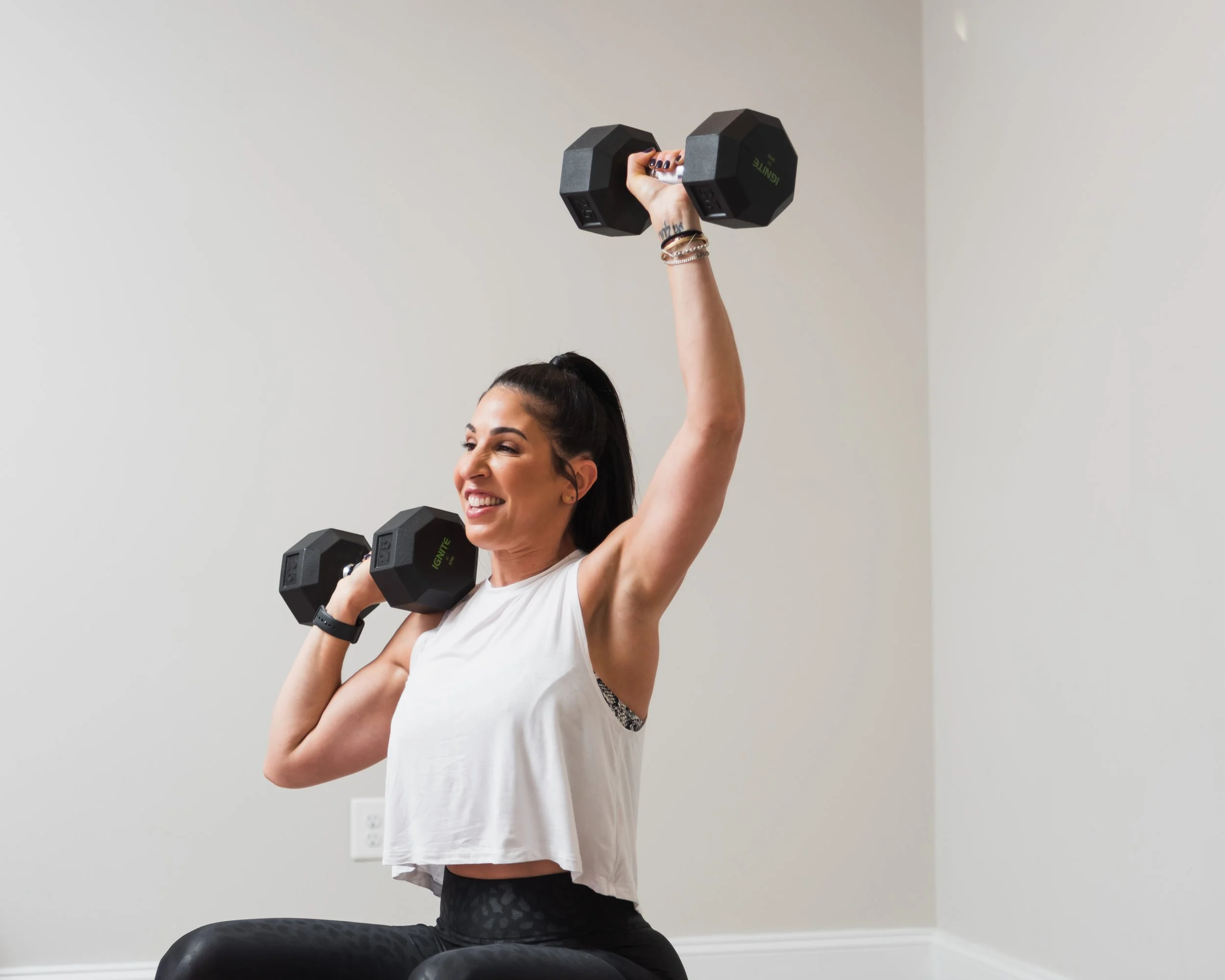
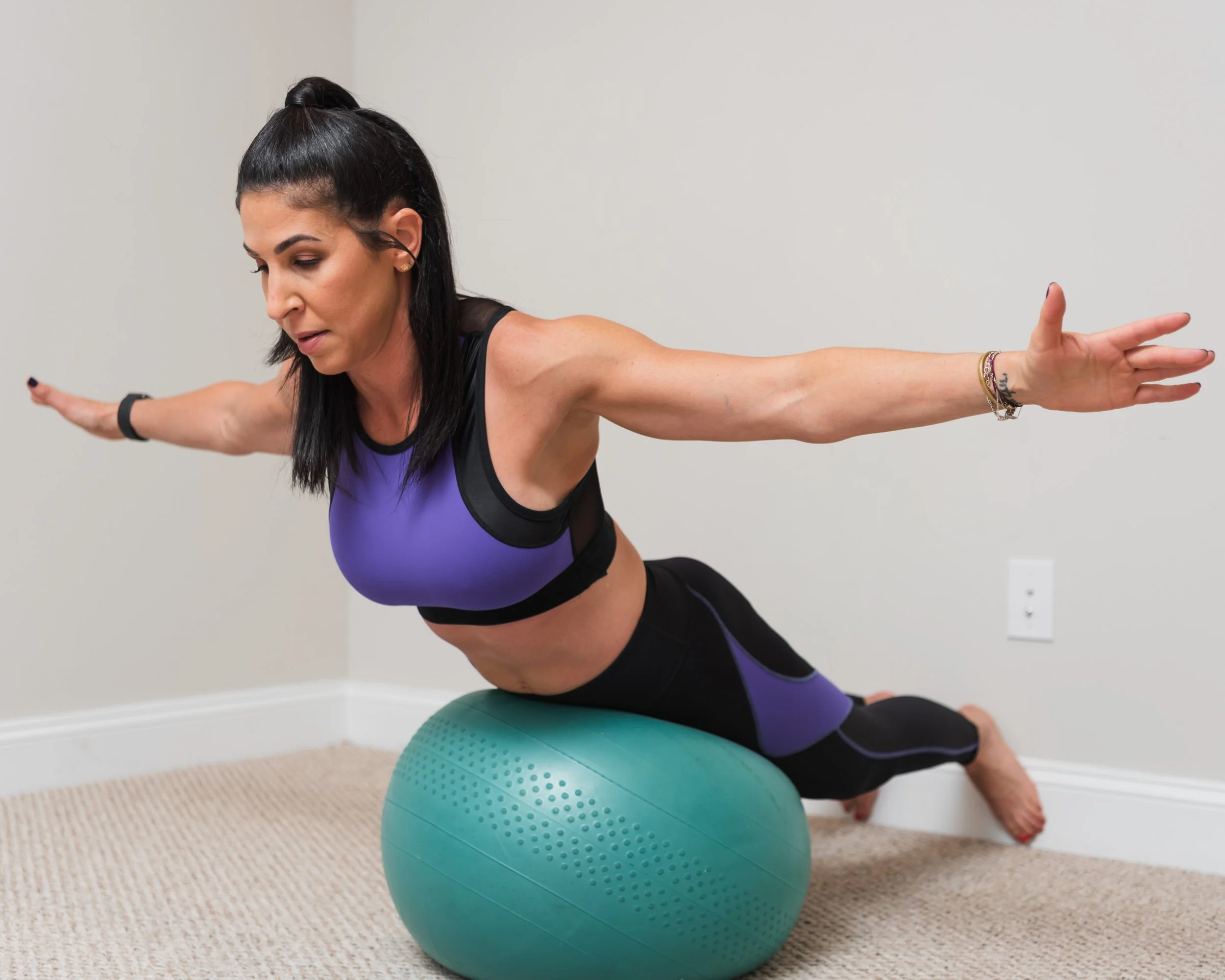
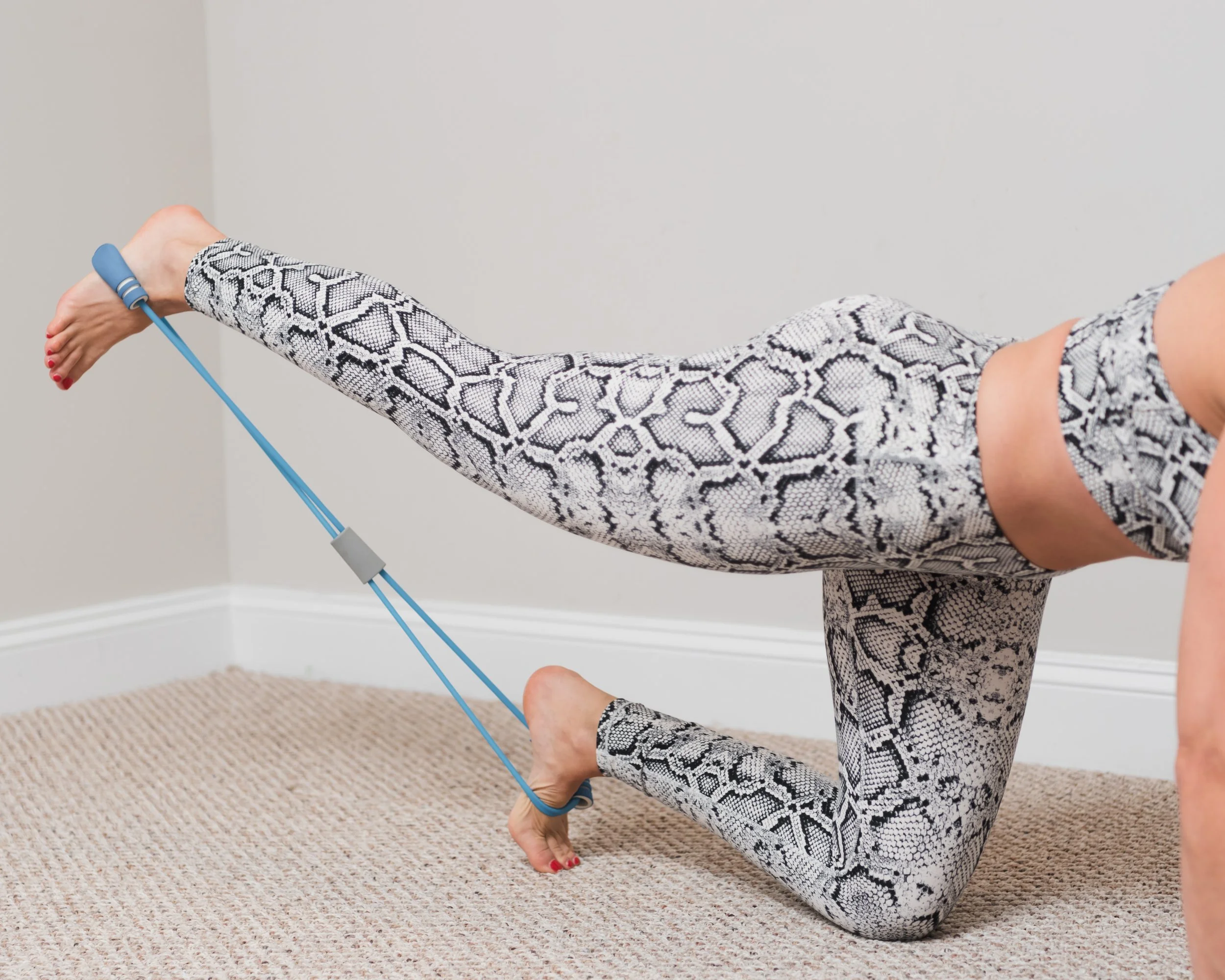
Many women respond by walking more, eating less, or increasing cardio. While those habits certainly benefit cardiovascular health, they don't provide the resistance muscles need to stay strong. Muscle thrives when it's challenged. Whether that challenge comes from lifting weights, resistance bands, Pilates, bodyweight exercises, or strength machines matters far less than simply asking your muscles to do work they aren't accustomed to doing.
The encouraging news is that sarcopenia is not an unavoidable consequence of aging. Unlike many aspects of the aging process, muscle remains remarkably adaptable throughout life. Study after study has shown that adults in their 50s, 60s, 70s, and even beyond can build meaningful strength when they combine progressive resistance training with adequate protein, proper recovery, and consistent movement.
Think Beyond the Scale
One of the biggest misconceptions I see is women judging their health almost entirely by the number on the scale. Weight tells us very little about what's actually happening inside the body. Two women can weigh exactly the same yet have dramatically different amounts of muscle, body fat, bone density, and metabolic health.
In fact, rapid weight loss without strength training often means losing muscle along with fat. While the scale may show progress, the body becomes less resilient, the metabolism slows, and everyday tasks become more difficult.
Instead of asking, How much do I weigh? consider asking different questions. Am I getting stronger? Can I carry my groceries comfortably? Can I lift my suitcase into the overhead compartment? Can I get up from the floor without assistance? Do I have the energy to enjoy the activities I love?
Those answers tell us far more about long-term health than a number ever could.
Healthy aging isn't about becoming smaller. It's about becoming stronger.
Strength gives us freedom. It allows us to travel, play with our children and grandchildren, maintain our independence, recover from setbacks, and continue living life on our own terms. Sarcopenia may be common, but it doesn't have to define the second half of your life. With the right approach, your muscles can continue to adapt, grow stronger, and support you for decades to come.
SEE ALSO: Spring Reset: Why Your Body Is Begging You to Move Again